
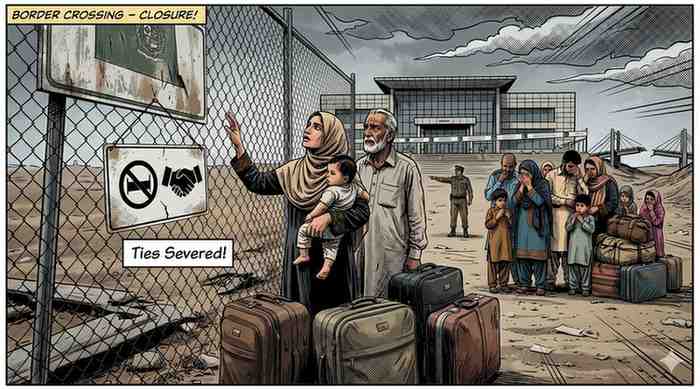
ABU DHABI / ISLAMABAD, May 2026 — A quiet but devastating crisis is unfolding in the United Arab Emirates as thousands of Pakistani migrant workers, predominantly from the Shia community, are being detained and deported overnight. What began as routine security verifications has escalated into a mass exodus, leaving families economically shattered and raising urgent questions about the hidden costs of Middle Eastern geopolitics.
The Crackdown: Deactivations and Deportations
The pattern is chillingly consistent: workers receive a call for a “routine” CID verification, only to find their bank accounts frozen, Emirates IDs deactivated, and properties seized within 48 hours. Without formal charges or legal recourse, these individuals—ranging from IT professionals and doctors to construction laborers—are placed on flights back to Pakistan.
Reports suggest that even minor social associations, such as attending an Imambargah during Muharram, have triggered surveillance and subsequent deportation. Many of these workers hail from economically fragile regions like Gilgit-Baltistan and Chakwal; for them, the loss of a UAE-based income is not just a personal setback but a total financial collapse for their extended families.
The Iranian Shadow: Geopolitical Aftershocks
This sudden hostility from the UAE is rooted in the explosive events of early 2026. Following coordinated strikes on Iran and the subsequent death of its Supreme Leader, the region has been on edge. The UAE, a global financial hub, views any potential pro-Iran sentiment within its borders as an existential threat to its stability.
While Pakistan attempted to play the “Global Mediator” between the U.S. and Iran in April 2026, its refusal to take a hard stance against Tehran has deeply frustrated Abu Dhabi. In the eyes of the UAE, Pakistan’s neutrality looks less like diplomacy and more like a security risk.
Islamabad’s Silence: The Cost of Dependence
Despite the scale of the tragedy, the Pakistani government has maintained a controversial silence. The Ministry of Foreign Affairs has dismissed reports of sect-specific deportations as “propaganda,” even as affected families tell a different story. Analysts suggest this paralysis is born of two critical dependencies:
- The Remittance Lifeline: Pakistan’s economy is propped up by the billions of dollars sent home by Gulf-based workers.
- Energy Security: The country remains almost entirely dependent on Gulf allies for its oil supply.
Challenging the UAE could result in a total economic blockade, leaving Islamabad in a “lose-lose” situation where it cannot protect its citizens without risking its own national survival.
The Invisible Victims of the Chessboard
History often remembers the wars and the treaties, but it rarely records the faces of migrant workers crying at airport terminals. The deportees are not political players; they are pawns on a geopolitical chessboard where “neutrality” has become a punishable offense.
As the UAE tightens its security grip and Pakistan maintains its diplomatic balancing act, the ordinary worker pays the price—returning to a village with no savings, no job, and a future permanently erased by a regional conflict they had no part in.
Bottom Line
The ongoing deportation of Shia Pakistanis is a stark reminder that in the high-stakes game of regional superpowers, the livelihood of the common man is often treated as collateral damage. The masks of “diplomatic victory” are off: while Islamabad claims success as a mediator, its own people are being quietly sent home in disgrace.
Leave a Reply