
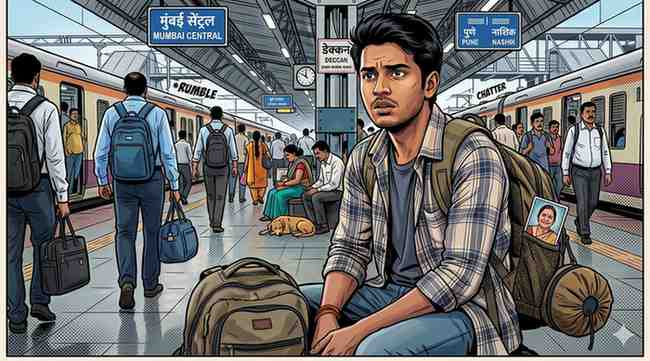
NEW DELHI, May 2026 — India currently boasts the world’s largest population of young people, producing millions of graduates annually. However, a stark “job diversity gap” is forcing a mass exodus of talent from home states to urban hubs like Delhi and Bangalore.
While political parties continue to promise “crores of jobs” every election season, the 2026 State of Working in India report reveals a grim reality: for many, migration isn’t a choice—it is a survival strategy fueled by a stagnant local economy.
The Search for “Skill-Matched” Opportunities
A primary trigger for migration is the lack of diverse career paths. Shinjini, a lawyer from West Bengal, notes that staying in Kolkata meant being limited to traditional court litigation. To work in policy and research—sectors she was actually trained for—she had to move to Delhi.
Similarly, Alfred from Kerala found that despite his home state’s high literacy and “Ease of Doing Business” rankings, developmental sector roles were nearly non-existent. For these graduates, moving isn’t just about finding any job; it’s about finding one that matches their specialized skills.
The Financial Mirage: Higher Pay vs. High Living Costs
The economic motivation is undeniable. Migrants often report earning three to four times more in metropolitan cities than they would back home. However, this “win” is often an illusion.
- The Wage Gap: In states like Assam, a B.Com graduate might earn a mere ₹5,000–₹6,000 in a local firm.
- The Expense Trap: High airfares (often exceeding ₹20,000 for a round trip) and the skyrocketing cost of urban rent mean that a significant portion of that higher salary is immediately drained.
Culture Shock and Social Friction
Beyond economics, the transition carries a heavy social cost. Migrants frequently encounter:
- Housing Discrimination: Alfred shared a harrowing experience of being denied housing in Delhi based on his name and religion, highlighting a lack of the secularism he grew up with in Kerala.
- Safety and Surveillance: Women migrants from cities like Kolkata and Bangalore describe Delhi as far more “judgmental” and “unsafe,” leading to constant anxiety and restrictive “check-in” calls from worried parents.
The Invisible Emotional Tax
Perhaps the greatest cost is the emotional one—often referred to by the youth as “Massive FOMO” (Fear Of Missing Out). Migrants watch through screens as their parents age and siblings grow up. Zoya, from Assam, admitted that she often dreams of her sister as a 7-year-old because she missed the years her sister grew into a teenager.
Bottom Line
The era of migrating for work is no longer just about “ambition”—it’s a reflection of a broken domestic job market. While Tier-1 cities offer the “ladder” to success, they demand a heavy toll in the form of social isolation, high costs, and fractured family lives. For India’s youth, the dream of “staying home and thriving” remains exactly that: a dream.
Leave a Reply