
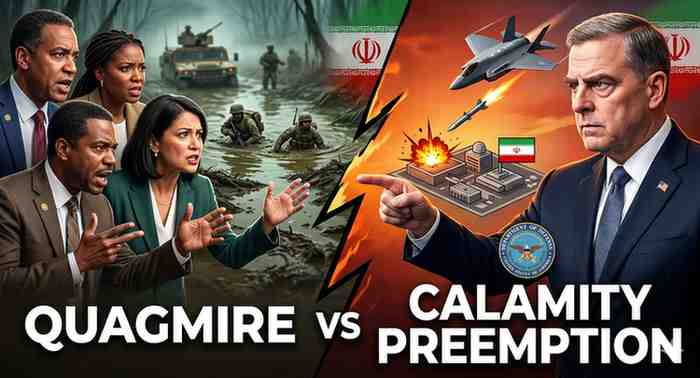
WASHINGTON, D.C., May 2026 — In a blistering hearing that has sent shockwaves through the Pentagon, Defense Secretary Pete Hegseth faced a barrage of accusations from lawmakers over the Biden administration’s military engagement with Iran. What was intended as a budgetary review quickly devolved into a referendum on the war’s transparency, its economic fallout, and the “incompetence” of its leadership.
The “Quagmire” Allegation: Strategic Success or Stagnation?
The session opened with fierce criticism from lawmakers who accused the administration of misleading the American public. “You and the President have offered ever-changing reasons for this war,” one representative charged, labeling the two-month-old conflict a “quagmire” of the President’s own making.
Secretary Hegseth responded with visible indignation, defending the mission’s “incredible battlefield successes.” He argued that the intervention was a bold move to confront a nuclear-inclined Iran and warned that labeling a short-term effort a quagmire only serves as “propaganda for our enemies” and endangers troops on the ground [00:01:08].
The “Gotcha” Economics: Gas, Food, and Hidden Costs
The debate turned toward the American wallet as lawmakers pressed Hegseth on the tangible economic impact of the conflict. In a heated exchange, members of the committee demanded to know the projected increase in gas and food prices over the next year.
Hegseth dismissed the line of inquiry as “playing gotcha questions about domestic things,” choosing instead to frame the issue as a choice between immediate inflation and long-term security. “What is the cost of an Iranian nuclear bomb?” Hegseth countered repeatedly, refusing to acknowledge specific economic forecasts while insisting the current administration’s “economic team” was managing the situation better than its predecessors [00:02:11].
Purge at the Pentagon: Firing the “Decorated”
Controversy also erupted over the removal of top military personnel, specifically the firing of the highly admired General George. Lawmakers characterized the move as an immature response to internal dissent, claiming the administration had no way of explaining the dismissal of one of the nation’s most decorated men.
Hegseth’s defense was blunt: “We need new leadership.” He asserted that it is nearly impossible to fix a department culture “destroyed by the wrong perspectives” without removing officers who served those old ideals [00:03:40].
The Strategic Objective: Piracy and Power
The administration’s ultimate goal, as outlined by Hegseth, is a total blockade of the Strait of Hormuz to prevent what he labeled as Iranian “piracy and terrorism.” He urged the committee to imagine a world where Iran wielded nuclear capabilities over international shipping lanes, framing the current naval blockade as a vital signal of U.S. control.
Bottom Line
The hearing laid bare a fundamental trust gap between the Pentagon and the public. While the administration frames the Iran war as a necessary, high-stakes prevention of nuclear catastrophe, critics see a lack of accountability and a refusal to acknowledge the mounting costs to the average American. As Hegseth remains defiant, the question remains: is the U.S. preventing a nuclear future, or is it simply paying an undefined price for another Middle Eastern entanglement?
Leave a Reply