
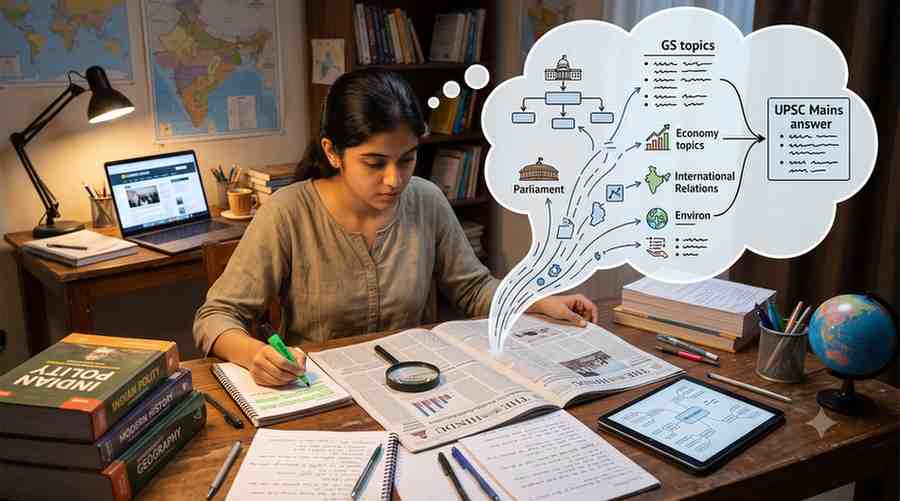
Recent editorial analyses in major newspapers like The Hindu provide crucial insights for UPSC aspirants. These discussions not only highlight key current affairs but also guide students on important topics to focus on.
New Delhi, July 2026 — The Hindu’s editorial on current affairs has become a pivotal reference for students preparing for the UPSC exams, especially with the examination date approaching. The insights shared by experts are essential for students seeking to excel in one of India’s toughest competitive exams.
What Is Happening?
On July 30, 2026, The Hindu published an in-depth analysis discussing significant political and economic issues that are likely to impact the UPSC syllabus. This editorial is part of a broader trend where newspapers are becoming vital tools for exam preparation. Students are increasingly relying on these sources for their study material.
Why Is This Important for Common Indians?
The editorial’s insights are not just for UPSC aspirants; they hold relevance for all educated Indians. Understanding current affairs is crucial for informed citizenship and active participation in democracy. Moreover, these discussions can influence public opinion and policy-making.
What Do Experts Say?
Educationists and UPSC trainers emphasize the importance of engaging with editorial analyses. They argue that these materials enhance critical thinking and analytical skills, which are essential for the exam. Experts also suggest that a strong grasp of current affairs can set candidates apart in interviews and discussions.
What Should You Expect Next?
As the UPSC examination approaches, expect a surge in editorial discussions across various newspapers. These analyses will likely delve deeper into pressing issues such as climate change, economic reforms, and social justice. Candidates should prepare for an increased focus on these topics in upcoming examinations.
- The Hindu editorial highlighted three key political issues this month.
- Over 1 million students are expected to appear for the UPSC exams this year.
- Recent surveys show a 40% increase in students using editorial content for exam preparation.
- Experts recommend reading at least two editorials daily to stay updated.
For the average Indian — whether a student, worker, or farmer — staying informed through these editorials can enhance civic responsibility and awareness. For students, especially those preparing for competitive exams, this practice can lead to better performance. Workers can gain insights into economic policies that might affect their jobs, while farmers can learn about agricultural policies that may impact their livelihoods.
आगे क्या? (What’s Next) — The emphasis on editorial analysis will likely continue, shaping educational practices and informing public discourse. As current affairs become increasingly relevant, candidates should integrate these discussions into their study routines. Additionally, educators may adapt their teaching strategies to include more real-time analysis, preparing students not just for exams but for active citizenship in a dynamic society.
Leave a Reply