
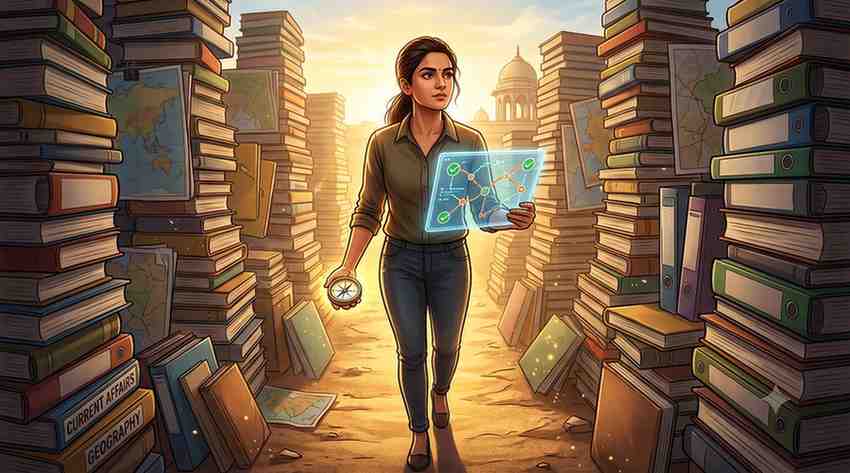
The newly released syllabus for UPSC 2027 demands strategic planning from aspirants. Understanding its nuances is crucial for success in India’s toughest exam.
New Delhi, August 2026 — The Union Public Service Commission (UPSC) has unveiled its syllabus for 2027, introducing significant changes that could impact thousands of aspirants. This comprehensive update aims to align the exam with current socio-economic trends and national priorities.
What Is Happening?
UPSC has officially released the syllabus for the 2027 civil services examination. This detailed framework outlines the subjects and topics that candidates must prepare for. Vasu Sir, an influential educator, recently provided an in-depth analysis to help students navigate these changes effectively.
Why Is This Important for Common Indians?
The UPSC exam determines the future of many young Indians, impacting governance and public administration. A well-informed candidate is likely to contribute positively to society and the economy. As civil servants, they will play a crucial role in implementing policies that affect the daily lives of citizens.
- The syllabus now includes updated topics on climate change and sustainable development.
- New subjects like Digital Governance have been introduced.
- Candidates will be assessed on their understanding of contemporary issues.
- Interdisciplinary approaches are encouraged in preparation.
What Do Experts Say?
Education experts emphasize the need for a structured study plan to tackle the revised syllabus effectively. They suggest that aspirants should focus on developing analytical skills alongside factual knowledge. This dual approach will help candidates to not only pass but excel in the examination.
What Should You Expect Next?
Aspirants can expect an increase in competitive coaching programs aimed at addressing the new syllabus. Additionally, there will likely be a surge in online resources and study materials tailored for the 2027 exam. Students should stay updated and adapt their study strategies accordingly.
As the syllabus evolves, its implications for ordinary Indians are profound. Students, workers, and even farmers can benefit from a more educated bureaucracy, which is better equipped to handle pressing issues. This change could lead to more effective governance and improved public services, ultimately enhancing the quality of life for many.
आगे क्या? (What’s Next) The focus now shifts to how aspirants will adapt to these changes. The education sector is anticipated to respond with innovative teaching methods and resources. The next few months will be critical as students gear up for the challenges ahead, making the 2027 exam a pivotal moment in their careers.
Leave a Reply