
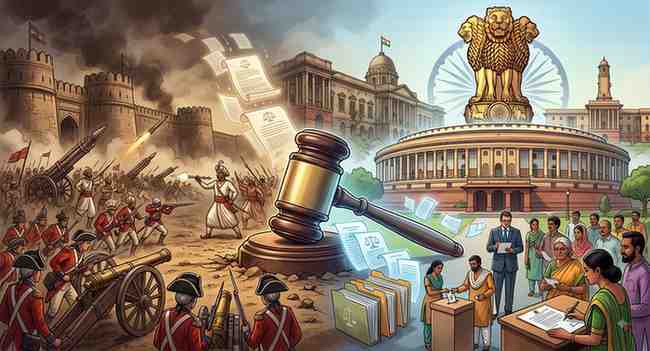
The Conquest of Mysore remains a pivotal event in Indian history, influencing modern governance and administrative practices. Understanding this period offers insights into current state policies and administrative challenges.
New Delhi, August 2026 — The historical conquest of Mysore by the British in the late 18th century not only altered the political landscape but also set a precedent for governance that continues to impact India today. This event is crucial for those preparing for competitive exams like the UPSC, as it highlights the evolution of administrative systems.
What Is Happening?
The StudyIQ Education channel recently released a detailed lecture focusing on the Conquest of Mysore, emphasizing its relevance in modern governance. The video provides insights into the strategies used during this conquest, which can be linked to contemporary governance challenges. As India continues to evolve, understanding historical precedents helps in addressing current administrative issues.
Why Is This Important for Common Indians?
The governance strategies developed during the conquest have implications for the average Indian today. Students preparing for civil services need to be aware of historical contexts that shape current policies. Additionally, workers and farmers can draw lessons from these strategies on resource management and administrative efficiency.
What Do Experts Say?
Historians argue that the British strategies during the Mysore conquests laid the groundwork for modern administrative practices in India. Experts suggest that understanding these historical contexts can empower citizens to engage more effectively with their government. This knowledge is particularly vital for aspiring civil servants who will navigate these legacies.
What Should You Expect Next?
Future discussions on governance in India will likely continue to reference historical events like the Conquest of Mysore. As competitive exams such as the UPSC evolve, historical context will remain a crucial component of the syllabus. Stay tuned for more educational content that links history to current administrative practices.
- The British conquest of Mysore took place between 1767 and 1799.
- Hyder Ali and his son Tipu Sultan were key figures in resisting British expansion.
- These events led to significant changes in land revenue systems.
- The conquest resulted in the establishment of direct British rule in India.
- Understanding these events is essential for aspiring civil servants.
The implications of the Conquest of Mysore resonate with various segments of society. Workers may find parallels in resource management strategies employed during that time, while students can leverage this knowledge for competitive exams. Investors can also learn about the historical context of administrative policies that affect economic stability today.
आगे क्या? (What’s Next) The ongoing discourse around historical governance will likely influence future policies in India. As the country grapples with modern challenges, revisiting historical events like the Conquest of Mysore may provide valuable lessons. Expect a rise in educational resources that bridge historical insights with contemporary governance issues.
Leave a Reply