
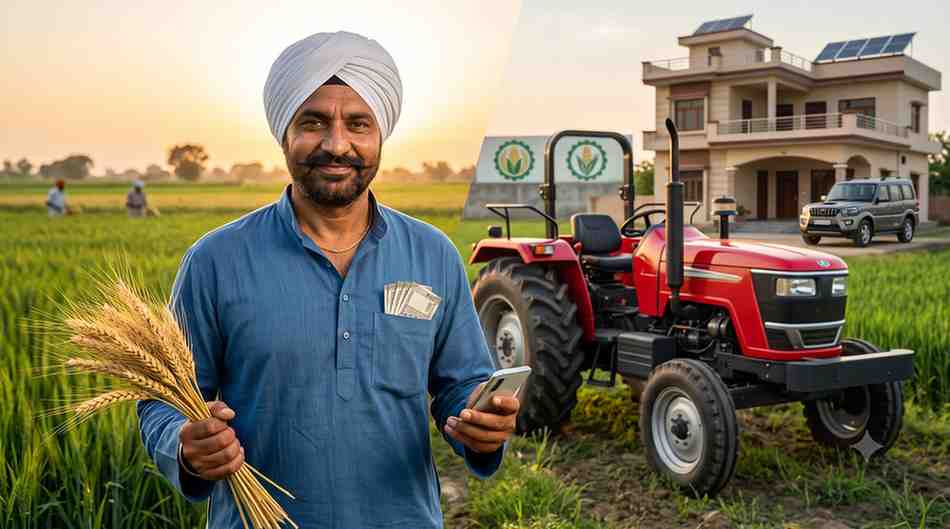
Recent discussions suggest that farmers in India may not be as impoverished as commonly believed. This perspective invites a deeper examination of agricultural wealth and its societal implications.
New Delhi, August 2026 — A new narrative is emerging that challenges the stereotype of Indian farmers as impoverished. According to recent analyses, many farmers are financially stable and own significant assets, contrary to popular belief.
What Is Happening?
A YouTube video titled “Farmers are not poor” has sparked widespread debate on social media and among policymakers. The video argues that many farmers have substantial wealth, including land and resources, which are often overlooked in discussions about rural poverty. This shift in perspective is gaining traction as more people engage with the topic.
Why Is This Important for Common Indians?
This discussion is vital for urban Indians who often see farmers through a lens of sympathy and pity. Recognizing the financial stability of many farmers can reshape policies that affect agriculture and rural development. It also influences how urban citizens interact with rural economies and their perspectives on food security.
What Do Experts Say?
Experts in agricultural economics support the idea that wealth distribution among farmers is complex. They emphasize that while some farmers struggle, many are thriving and contribute significantly to the economy. This nuanced understanding is critical for creating effective policies that address the needs of all farmers.
What Should You Expect Next?
As this narrative gains momentum, we can expect increased discussions around agricultural policies and rural welfare programs. Policymakers may reassess how they allocate resources and support for farmers. This could lead to a more balanced approach to rural development that acknowledges both wealth and poverty.
- Approximately 60% of Indian farmers own land, with many possessing assets worth over ₹10 lakhs.
- The agricultural sector contributes to about 18% of India’s GDP.
- Rural households in India have seen a growth in income by 25% over the last decade.
- About 70% of farmers are engaged in diversified farming, which increases their income stability.
This evolving perspective on farmers affects various segments of Indian society. For workers in the agricultural sector, it could mean better wages and recognition of their contributions. Students studying agriculture may find new career opportunities, while investors could see potential in agritech innovations. Furthermore, farmers themselves may gain from enhanced access to resources and markets.
आगे क्या? (What’s Next) The future of India’s agricultural discourse hinges on this new understanding of farmers’ wealth. It is essential for policymakers to address the diverse realities within rural India, creating supportive frameworks that empower all farmers. As the narrative shifts, we may witness a transformation in how agriculture is perceived and supported in the economic landscape.
Leave a Reply