
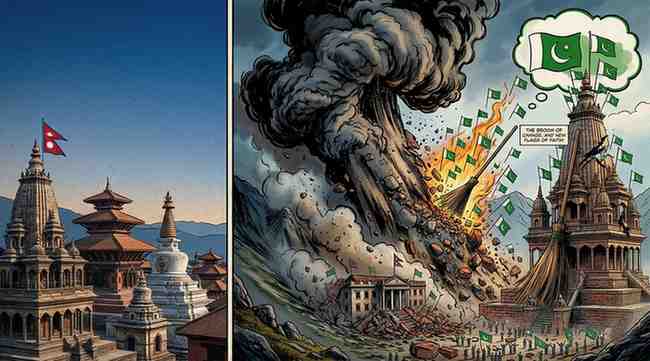
Kathmandu, March 2026 — Nepal is witnessing a tectonic political shift as the Rastriya Swatantra Party (RSP), led by the unconventional and charismatic Balendra Shah (popularly known as “Balen”), has registered a landmark landslide victory in the 2026 General Elections. Breaking a decades-long cycle of unstable coalition governments, the RSP is on track to secure a staggering two-thirds majority, signaling a “generational transformation” in the nation’s governance.
From Rapper to Prime Minister-Elect
At just 35 years old, Balen Shah represents a sharp departure from the traditional political elite. A structural engineer by profession and a popular rapper by fame, Balen first shook the establishment in 2022 by winning the Kathmandu Mayoral race as an independent candidate.
His transition to national politics was fueled by a “Gen Z” protest movement against corruption and unemployment that toppled the previous government in late 2025. In a symbolic “giant-killing” moment, Balen defeated veteran communist leader KP Sharma Oli in his own constituency, securing over 68,000 votes against Oli’s 18,700.
A Mandate for Stability
Since the abolition of the monarchy in 2008, Nepal has seen over a dozen Prime Ministers, with no leader completing a full five-year term. The 2026 mandate is historic because it provides a single party with the power to govern without the “musical chairs” of coalition politics.
The RSP’s platform focused on:
- Digital Governance: Reducing petty corruption by digitizing municipal and national services.
- Technocratic Leadership: Moving away from ideological battles to result-oriented administration.
- Economic Modernization: Prioritizing job creation for the 40% of the population under the age of 25.
Navigating the Giant Neighbors
Geopolitically, the rise of Balen Shah presents a new chapter for Nepal’s sensitive “neighborhood watch.” While past leaders were often viewed through the lens of being “pro-China” or “pro-India,” Balen has maintained a more technocratic and balanced image.
Indian Prime Minister Narendra Modi has already expressed readiness to work with the new government, emphasizing the importance of a peaceful and stable Nepal. Key issues on the horizon include hydropower cooperation and resolving long-standing border disputes that have occasionally strained ties.
Bottom Line
The era of “Old Guard” politics in Nepal has collapsed under the weight of its own stagnation. While expectations from Balen Shah are sky-high, the challenge remains whether an “anti-establishment” outsider can navigate the complex web of entrenched bureaucracy and regional geopolitics for a full five-year term. For now, the message from the Nepali streets is clear: the youth have taken charge.
Leave a Reply