
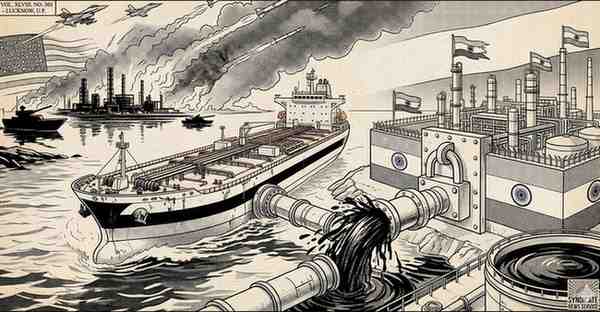
NEW DELHI, March 2026 — As the Middle East slides further into a full-scale conflict between the U.S. and Iran, Russia has emerged as a critical energy lifeline for India. With global oil prices surging toward $90 per barrel and strategic supply routes under threat, Moscow has pledged to reroute millions of barrels of crude oil to Indian shores, defying U.S. tariff threats.
India’s 50-Day Energy Buffer
The war has already claimed over 900 lives and triggered a wave of attacks on oil tankers in the Arabian Sea and the Strait of Hormuz. While India maintains a strategic petroleum reserve sufficient for roughly 50 days—comprising 25 days of crude oil and another 25 days of refined products—the prospect of a prolonged conflict has sparked concerns over long-term energy security.
In comparison, nations like China and Japan hold reserves exceeding 200 days. This gap underscores India’s vulnerability to supply shocks if the Strait of Hormuz remains closed or if the conflict escalates further.
Russia’s “No Ego” Strategic Support
In a significant diplomatic gesture, Russia has announced it is ready to supply 9.5 million barrels of crude oil to India immediately. Reports indicate that several Russian cargo ships, originally destined for East Asia, have already been rerouted toward India to mitigate the supply shock.
This move comes despite looming threats from the U.S., where the Trump administration has warned of a 25% tariff on Indian goods if New Delhi continues to purchase Russian oil. However, geopolitical experts suggest that Russia’s discounted oil remains a critical tool for India to maintain its economic momentum and protect its status as the world’s fastest-growing economy.
The Geopolitics of Oil Prices
Some analysts view the rising oil prices as part of a broader U.S. game plan. By driving crude toward $90 or $100 per barrel, U.S. companies operating in newly stabilized oil economies like Venezuela stand to reap “bumper profits”.
Iran, meanwhile, has attempted to leverage the situation by keeping the Strait of Hormuz open specifically for Indian and Chinese vessels, while blocking U.S., Israeli, and European ships. Despite this, India has maintained a delicate diplomatic balance, even offering official condolences for the death of Iran’s Supreme Leader to preserve its interests in the region.
Bottom Line
For New Delhi, the priority remains clear: economic growth must not be derailed by geopolitical volatility. By accepting discounted Russian oil while entertaining natural gas offers from Australia and Canada, India is positioning itself to navigate the energy crisis without picking a side in the escalating global conflict.
Leave a Reply