
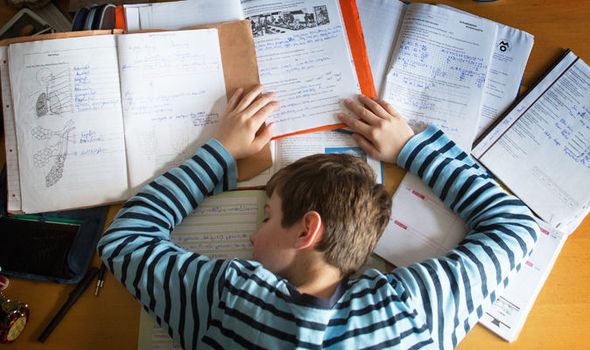
As conversations about education reform gain momentum in India, the role of homework is coming under scrutiny. While traditionally seen as an essential tool for reinforcing classroom learning, critics argue that excessive homework is contributing to stress, burnout, and a lack of balance in students’ lives. Is it time for schools to rethink or even ban homework altogether?
The Case Against Homework
1. Rising Stress Levels
- A survey by the National Institute of Mental Health and Neurosciences (NIMHANS) found that 62% of Indian students aged 12-18 experience academic stress, with homework being a significant contributor. Long hours spent completing assignments often leave little time for relaxation or extracurricular activities.
2. Impact on Mental and Physical Health
- The Indian Academy of Pediatrics warns that excessive homework can lead to poor sleep patterns, eye strain, and a sedentary lifestyle. Coupled with academic pressure, this can take a toll on students’ mental well-being.
3. Inequality in Learning
- Homework often highlights socio-economic disparities. Students from underprivileged backgrounds may lack access to resources like private tutors, internet, or even a quiet place to study, putting them at a disadvantage.
4. Questionable Effectiveness
- Research by UNESCO shows that while homework can improve academic outcomes when limited to manageable levels, excessive homework has diminishing returns. Overloaded students are less likely to retain information and more likely to experience frustration.
Why Homework Is Still Defended
1. Reinforcing Learning
- Supporters argue that homework helps reinforce concepts learned in class, giving students the opportunity to practice and solidify their understanding.
2. Building Discipline and Responsibility
- Homework teaches time management, self-discipline, and a sense of accountability, skills that are crucial for future success.
3. Preparing for Competitive Exams
- In a country where competitive exams like JEE and NEET dominate the academic landscape, many believe homework is necessary to build the rigor required to excel.
Global Perspectives
Countries with Limited Homework
- Finland, known for its world-class education system, assigns minimal homework, emphasizing in-class learning and hands-on activities instead.
- South Korea and Japan, while maintaining academic rigor, are shifting towards shorter school hours and reduced homework to prioritize mental well-being and creativity.
Countries with High Homework Loads
- In contrast, countries like China and India often assign heavy workloads to meet competitive academic standards, sparking debates about student burnout.
The Middle Ground
Alternatives to Traditional Homework
- Project-Based Assignments: Focus on creative, hands-on projects that encourage critical thinking and problem-solving.
- Flipped Classrooms: Use homework time to watch educational videos or read materials, freeing up class time for discussions and problem-solving.
- Skill-Based Tasks: Assignments focusing on life skills, such as budgeting or creating schedules, can balance academic and practical learning.
Homework Guidelines
- The National Education Policy (NEP) 2020 advocates for reducing homework, particularly for younger students, emphasizing age-appropriate tasks that enhance curiosity and creativity.
What Parents and Educators Say
Parental Concerns
- A survey by LocalCircles found that 65% of Indian parents believe homework is excessive, leaving their children stressed and unable to pursue other interests.
Teachers’ Perspective
- Many teachers feel that reducing homework could improve classroom engagement and leave more room for experiential learning. However, they stress the need for parental involvement in reinforcing lessons at home.
Conclusion
The debate over banning homework highlights the need for a balanced approach to student workload. While homework can reinforce learning and build essential skills, excessive assignments risk overshadowing its benefits. By adopting innovative methods and setting realistic expectations, schools can ensure that homework supports, rather than stifles, student growth. The time has come to rethink the purpose of homework and its role in creating a healthier, more effective learning environment.
Leave a Reply