
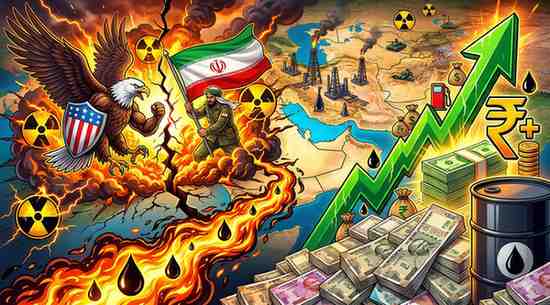
The United States and Iran are locked in a fresh diplomatic standoff over nuclear negotiations, with Tehran demanding preconditions before any ceasefire talks can proceed. This escalation directly threatens India’s energy security and could push crude oil prices significantly higher in coming months.
New Delhi, April 2026 — As Washington and Tehran exchange sharp warnings over stalled nuclear diplomacy, India watches nervously from the sidelines, knowing that any military flare-up in the Persian Gulf could send fuel prices soaring and disrupt one of its most critical trade corridors.
What Is Happening?
Iran has laid down strict preconditions for resuming ceasefire negotiations with the United States, rejecting direct talks without guarantees. President Trump has responded with pointed warnings, signalling that American patience is running thin. The diplomatic temperature in the Middle East has risen sharply, raising fears of a broader regional conflict.
Why Is This Important for Common Indians?
India imports over 85% of its crude oil requirements, and the Persian Gulf remains its energy lifeline. Any disruption in the Strait of Hormuz — through which 20% of global oil flows — would immediately spike petrol and diesel prices at Indian pumps. Higher fuel costs trigger inflation across vegetables, transport, and manufacturing, squeezing household budgets from Mumbai to Meerut.
What Do Experts Say?
Energy analysts warn that Brent crude could breach $95 per barrel if tensions escalate further. “India’s current account deficit is vulnerable to oil shocks — every $10 rise in crude costs us approximately $15 billion annually,” noted a senior economist at a Mumbai-based think tank. Foreign policy experts suggest New Delhi must accelerate its diplomatic back-channels with both Washington and Tehran to protect its interests.
- India imported approximately 4.5 million barrels of crude daily in early 2026
- Iran was historically among India’s top five oil suppliers before previous sanctions
- The Strait of Hormuz handles nearly 21 million barrels of oil transit daily
- Rupee could weaken by 2-3% if crude crosses $100 per barrel
- India’s strategic petroleum reserves cover only about 9.5 days of consumption
How Does This Affect Indian Workers, Students, and Investors?
Transport workers and delivery riders face direct hits as fuel costs climb. Students preparing for competitive exams like UPSC should note this as a live current affairs topic with economic and geopolitical dimensions. Investors in airline, paint, and tyre stocks must brace for margin pressures, while mutual fund holders should watch energy sector volatility closely.
आगे क्या? (What’s Next)
The coming weeks will prove decisive for global energy markets. If diplomatic channels remain frozen, expect oil prices to climb steadily through May. India’s External Affairs Ministry is likely to engage both sides quietly, protecting energy contracts while maintaining strategic neutrality. For ordinary Indians, this means keeping a close watch on your monthly fuel and grocery bills — the Persian Gulf’s politics may soon reach your kitchen budget.
Leave a Reply