
Blessing or Burden for the Spiritual Capital of India?
Varanasi, one of the world’s oldest continuously inhabited cities, attracts millions of tourists annually for its spiritual essence, historic ghats, and cultural heritage. As tourism booms, the local economy benefits from increased income and employment. However, beneath the surface lies a complex story of disruption and adaptation. Is tourism enriching the lives of Varanasi’s local communities, or is it threatening their traditional way of life?
Tourism in Varanasi: A Snapshot
Key Metrics (2023-24):
- Tourist Footfall: Over 80 million visitors, including 10 million international tourists, visited Varanasi in 2023, making it one of the most visited cities in India.
- Economic Contribution: Tourism contributes nearly ₹12,000 crore annually to the local economy.
- Major Attractions: The Kashi Vishwanath Corridor, Ganga Aarti at Dashashwamedh Ghat, and silk weaving centers are primary draws for tourists.
Positive Impacts of Tourism on Local Communities
1. Economic Upliftment
- Job Creation: Tourism has generated employment in sectors like hospitality, transportation, and retail, benefiting thousands of families.
- Over 2 lakh residents are employed directly or indirectly in the tourism sector.
- Boost to Traditional Crafts: The demand for Banarasi silk, brassware, and other local crafts has increased due to a growing tourist market.
- Enhanced Infrastructure: Projects like the Kashi Vishwanath Corridor have improved roads, public spaces, and facilities, enhancing the quality of life for locals.
2. Preservation of Culture
- Tourism has spotlighted Varanasi’s rich cultural heritage, encouraging efforts to preserve music, dance, and art forms like classical Hindustani music and Kathak.
- Festivals like Dev Deepawali and Ganga Mahotsav now receive global attention, creating pride and economic opportunities for local performers and artisans.
Negative Impacts of Tourism on Local Communities
1. Gentrification and Displacement
- Large-scale tourism projects, including the Kashi Vishwanath Corridor, have led to the displacement of hundreds of families and small businesses.
- Rising property prices in popular tourist areas have made housing unaffordable for many locals, forcing them to relocate to peripheral areas.
2. Strain on Resources
- The surge in tourists has stretched the city’s water, electricity, and waste management systems, leaving locals with reduced access to essential services.
- Key Statistic: Varanasi generates over 650 metric tonnes of waste daily, much of it from tourist activities, overwhelming the city’s waste management capacity.
3. Cultural Commodification
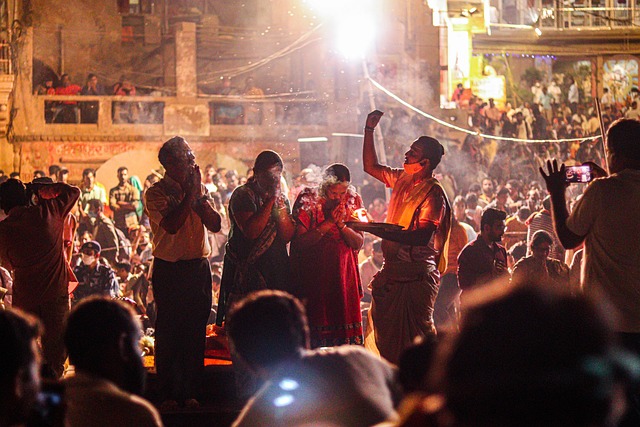
- Sacred rituals and ceremonies, such as the Ganga Aarti, are often commercialized for tourist consumption, diluting their spiritual essence.
- The influx of modern amenities and global influences has led to a gradual erosion of traditional practices and lifestyles.
4. Economic Disparities
- While tourism boosts income for large businesses, many small vendors and traditional craftsmen struggle to compete with modern shops and online platforms catering to tourists.
- Tourism’s benefits are unevenly distributed, with many marginalized communities in Varanasi excluded from its economic advantages.
5. Environmental Degradation
- Overcrowding of ghats and excessive boat traffic have contributed to the pollution of the Ganga, undermining the very spirituality that attracts tourists.
- Air quality in the city has also declined due to increased vehicular traffic and construction activities tied to tourism infrastructure.
Balancing Tourism and Community Welfare
1. Inclusive Development Policies
- Ensure tourism projects involve community participation, prioritizing the needs and voices of local residents.
- Provide fair compensation and relocation options for displaced families, including skill training for new employment opportunities.
2. Sustainable Tourism Practices
- Implement eco-friendly initiatives like waste segregation, plastic bans, and water conservation at tourist sites.
- Regulate boat traffic and enforce pollution control measures to protect the Ganga and surrounding ecosystems.
3. Protecting Cultural Integrity
- Limit commercialization of sacred rituals and promote authentic cultural experiences.
- Encourage community-led cultural programs that highlight local traditions without altering their essence.
4. Supporting Small Businesses and Artisans
- Offer financial incentives, marketing support, and training programs to small vendors and traditional craftsmen to compete in the tourism market.
- Create dedicated zones for local artisans to showcase and sell their crafts directly to tourists.
5. Managing Tourist Footfall
- Introduce seasonal caps or timed entry for popular sites to prevent overcrowding and resource depletion.
- Promote offbeat destinations within Varanasi to distribute tourist activity more evenly across the city.
Conclusion: Finding Harmony in Growth
Tourism in Varanasi is a double-edged sword. While it has brought economic growth, infrastructure improvements, and global recognition, it has also disrupted local communities, strained resources, and commodified cultural heritage.
The challenge lies in striking a balance between preserving Varanasi’s soul and embracing modernity. Will the city’s development uplift its local communities, or will it prioritize visitors at their expense? The answer will shape the identity of Varanasi for generations to come.
Leave a Reply