
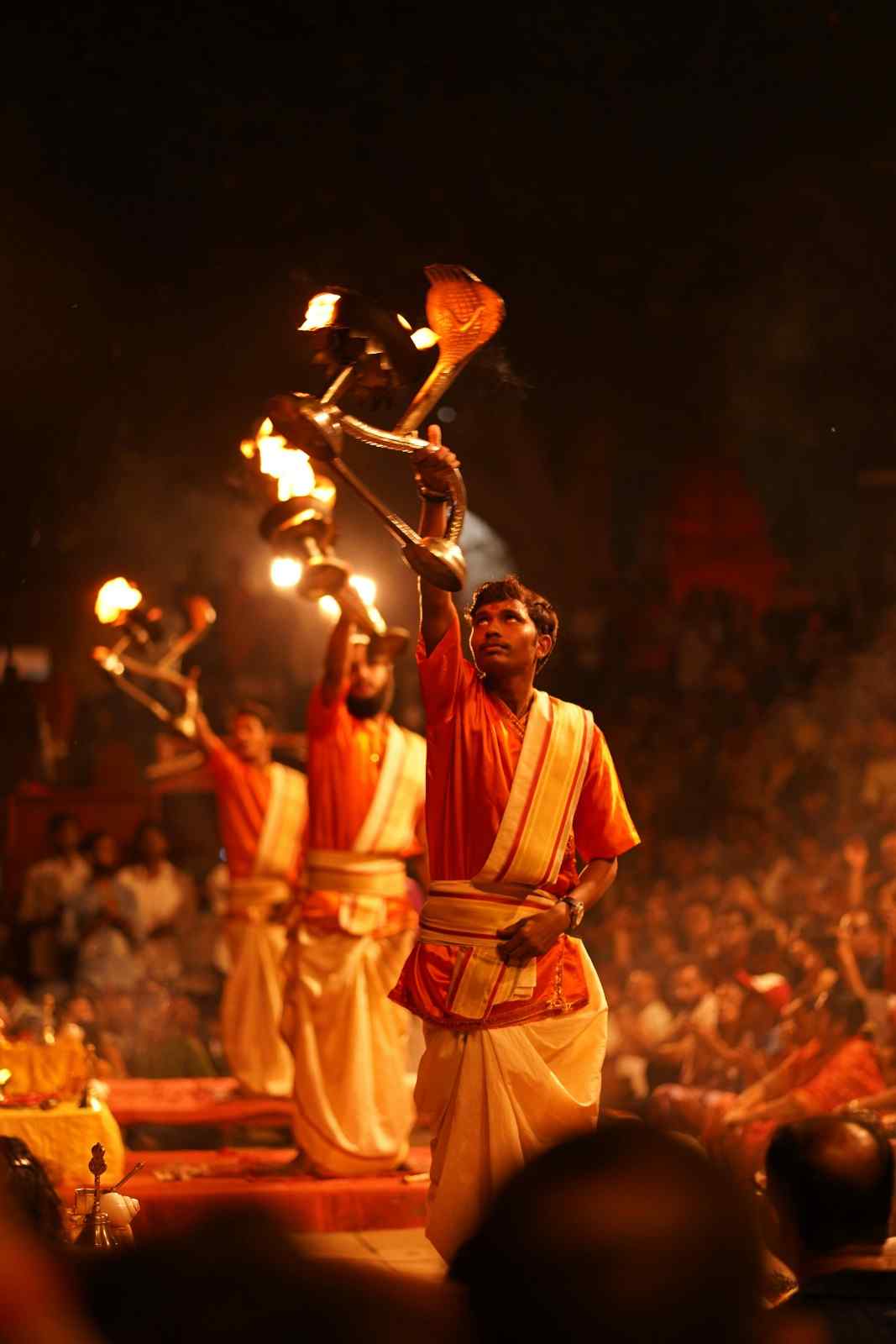
Honoring Tradition or Commercializing Legacy?
Uttar Pradesh, the heartland of India’s cultural and spiritual heritage, is home to a rich tapestry of traditions, historical monuments, and artistic expressions. From the majestic Taj Mahal in Agra to the sacred ghats of Varanasi, the state boasts an unparalleled cultural legacy. However, as modernity encroaches, and tourism booms, a critical question emerges: Are these efforts genuinely preserving Uttar Pradesh’s heritage, or are they reducing it to a spectacle for commercial gains?
The Depth of Uttar Pradesh’s Cultural Heritage
Key Highlights:
- Monuments and Sites: The state has three UNESCO World Heritage Sites (Taj Mahal, Agra Fort, and Fatehpur Sikri) and numerous other historical landmarks like the Bara Imambara in Lucknow and Jhansi Fort.
- Spiritual Significance: Varanasi, Ayodhya, and Mathura are key spiritual centers, drawing millions of pilgrims annually.
- Artistic Legacy: The state is renowned for its traditional crafts, including Banarasi silk, Chikankari embroidery, and brassware from Moradabad.
- Festivals and Fairs: Events like the Kumbh Mela, held in Prayagraj, attract global attention as the world’s largest spiritual gathering.
Efforts to Preserve Cultural Heritage
1. Monument Restoration and Maintenance
Under initiatives like the National Mission on Monuments and Antiquities, several sites in Uttar Pradesh have undergone restoration, including lighting upgrades at the Taj Mahal and structural repairs to Agra Fort.
2. Digital Archiving
The state has partnered with national agencies to digitize historical records and artifacts, ensuring long-term preservation and accessibility.
3. Festivals and Cultural Events
Events like the Deepotsav in Ayodhya and Varanasi Ganga Mahotsav celebrate local traditions while drawing global attention to the state’s heritage.
4. Tourism Infrastructure Development
- Projects like the Kashi Vishwanath Corridor and Ayodhya’s transformation into a global pilgrimage hub have modernized infrastructure while improving visitor experiences.
- Increased connectivity through airports and expressways has made heritage sites more accessible to tourists.
5. Promoting Traditional Crafts
The One District One Product (ODOP) initiative has revitalized traditional crafts, creating livelihoods for artisans and promoting local heritage on national and international platforms.
Concerns and Controversies
1. Commercialization of Heritage
Efforts like the grand celebrations of festivals and large-scale tourism projects often prioritize spectacle over substance, leading to accusations of commodifying sacred traditions.
- Example: Critics argue that events like the Deepotsav in Ayodhya focus more on breaking world records (e.g., lighting 21 lakh diyas) than on preserving the essence of Ramayana traditions.
2. Environmental Impact
Tourism and large-scale infrastructure projects around heritage sites have raised concerns about their environmental impact.
- Example: Pollution and overcrowding near the Taj Mahal have led to discoloration and structural concerns, despite restoration efforts.
3. Neglect of Lesser-Known Heritage
While marquee sites like the Taj Mahal and Varanasi receive significant attention, smaller yet culturally significant monuments, such as the Chunar Fort or Kakori Memorial, often remain neglected.
4. Loss of Local Identity
Global tourism-focused development sometimes dilutes the local flavor of heritage sites, turning them into generic tourist attractions rather than preserving their unique cultural essence.
5. Artisan Struggles
Despite initiatives like ODOP, many artisans face challenges in accessing resources, markets, and fair compensation, threatening the sustainability of traditional crafts.
Recommendations for Genuine Preservation
1. Holistic Restoration
- Expand restoration efforts to include lesser-known monuments, ensuring that the focus extends beyond high-profile sites.
- Collaborate with historians, archaeologists, and conservationists to maintain authenticity during restorations.
2. Sustainable Tourism Practices
- Implement strict visitor limits and eco-friendly policies at heritage sites to mitigate environmental degradation.
- Promote off-season tourism to reduce overcrowding and ensure year-round revenue for local communities.
3. Empowering Artisans
- Enhance support for traditional crafts by providing access to financial aid, global markets, and technology for modernization without losing authenticity.
- Establish craft villages and cultural hubs where artisans can showcase and sell their work directly.
4. Local Involvement
- Involve local communities in the management of heritage sites to ensure that preservation efforts reflect their cultural values and traditions.
- Create programs that train local youth in heritage conservation and tourism management, fostering a sense of ownership.
5. Balanced Development
- Ensure that infrastructure projects around heritage sites are aligned with conservation priorities.
- Develop policies to regulate commercialization and protect the sanctity of spiritual and historical spaces.
Conclusion: A Delicate Balance
Uttar Pradesh’s cultural heritage is a treasure trove that embodies the state’s soul and identity. While the government has undertaken commendable efforts to restore monuments, promote crafts, and boost tourism, the challenge lies in striking a balance between preservation and progress.
The future of Uttar Pradesh’s heritage depends on whether these efforts prioritize genuine conservation and local involvement or succumb to the pressures of commercialization and spectacle. The question remains: Will the state’s heritage remain a living legacy, or will it risk being reduced to a showpiece for fleeting gains?
Leave a Reply