
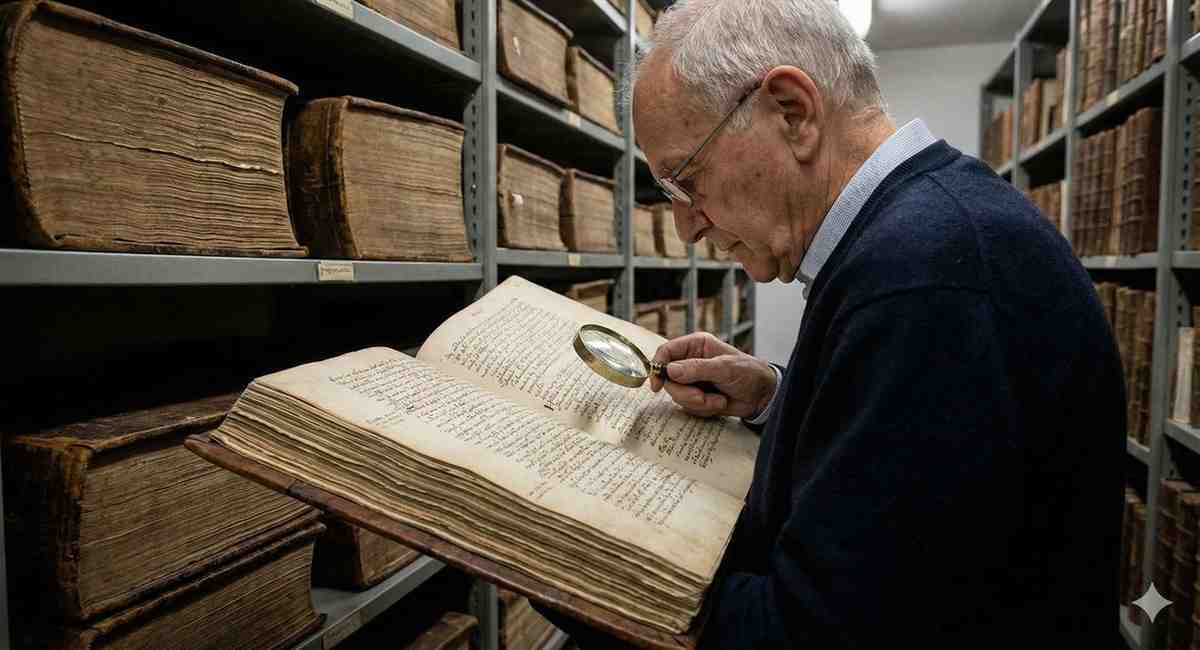
India, known for its profound spiritual heritage, houses sacred texts like the Vedas, Quran, Bible, Guru Granth Sahib, and many more. These scriptures are reservoirs of wisdom, offering insights into spirituality, ethics, and human purpose. However, the question remains: are we truly delving into their depth, or are these texts becoming symbols of reverence without comprehension?
The Role of Engagement
Studies indicate varying levels of engagement with religious texts among Indians. A report by Pew Research Center highlights that while many individuals hold their sacred texts in high regard, the frequency of active engagement, such as reading or studying, varies across communities. For instance, regular recitation of the Quran among Muslims is common, while Hindus often engage with the Bhagavad Gita selectively during rituals or spiritual gatherings.
Education and Literacy
The ability to understand religious texts is closely tied to literacy rates, which differ significantly among India’s religious communities. According to census data, Jains have the highest literacy rate among Indian communities, followed by Christians and Buddhists. This higher literacy often correlates with better access to and understanding of religious scriptures. On the other hand, lower literacy rates in some groups might hinder direct engagement with these texts, leading to reliance on interpretations provided by religious leaders or family traditions.
Cultural and Contextual Interpretations
India’s diverse cultural landscape greatly influences how religious texts are understood and practiced. Contextual interpretations play a critical role in making these teachings relevant to everyday life. For example, an Indian-contextualized approach to the Bible focuses on relating its teachings to local realities such as poverty, caste issues, and communal harmony. Similarly, Vedic scriptures are often interpreted in ways that emphasize contemporary ethical and environmental concerns, making ancient teachings applicable in the modern era.
Challenges in Comprehension
Despite the cultural richness, a growing disconnect between individuals and their religious scriptures is evident. Rapid urbanization, modernization, and the influence of digital media have reduced the time and inclination for deep spiritual engagement. Moreover, rigid traditional interpretations can sometimes alienate younger generations, who may struggle to find personal relevance in ancient texts.
The Way Forward
To deepen our understanding of religious texts, India needs a multi-pronged approach. Promoting literacy, encouraging inclusive education that integrates the study of religious scriptures, and adopting culturally adaptive interpretations can bridge the gap. Educational institutions and community efforts must work together to revive the relevance of these ancient teachings, not just as religious artifacts but as guides to ethical and purposeful living.
India’s sacred texts hold the wisdom to address modern challenges, but this potential can only be realized when we move beyond superficial engagement to meaningful understanding. The depth of our spiritual heritage deserves to be explored, understood, and applied in the context of our evolving world.
Leave a Reply