
Modern Solutions for Age-Old Problems or a Mirage of Progress?
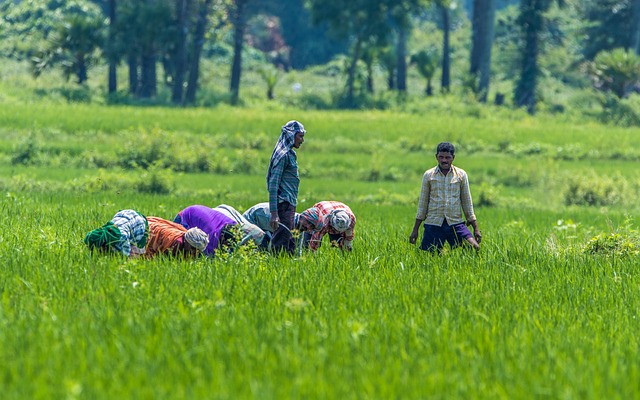
Uttar Pradesh, the agricultural heartland of India, is witnessing a technological transformation in its farming sector. With over 65% of its population dependent on agriculture, integrating innovation is vital for enhancing productivity, sustainability, and profitability. From drones to AI-driven tools, the state is embracing modern solutions. However, as these advancements unfold, a pressing question emerges: Are these innovations truly benefiting farmers, or are they an illusion of progress for many?
The Current State of Agriculture in Uttar Pradesh
Key Metrics (2023-24):
- Agricultural Contribution to GSDP: Approximately 22% of Uttar Pradesh’s Gross State Domestic Product comes from agriculture.
- Major Crops: Sugarcane, wheat, rice, and pulses dominate production, with the state being the largest producer of sugarcane in India.
- Land Holdings: Over 92% of farmers are small or marginal, owning less than 2 hectares of land.
- Challenges: Declining soil health, depleting water resources, and unpredictable weather patterns exacerbate farming vulnerabilities.
Technological Innovations in Agriculture
1. Drones and Remote Sensing
Drones are being used to monitor crop health, optimize irrigation, and identify pest infestations. Remote sensing technology helps farmers make data-driven decisions, improving yields.
- Example: Pilot projects in sugarcane fields near Meerut and Muzaffarnagar have shown a 20% improvement in productivity with drone-assisted interventions.
2. Artificial Intelligence and Machine Learning
AI-driven tools predict weather patterns, recommend optimal sowing times, and suggest fertilizers based on soil analysis. Startups like DeHaat and AgroStar are using AI to provide personalized advice to farmers in UP.
3. IoT-Enabled Smart Farming
Smart sensors monitor soil moisture, nutrient levels, and temperature, allowing precision agriculture. These technologies are being tested in Bundelkhand to address water scarcity.
4. Mobile Apps and Digital Platforms
- Apps like e-NAM (National Agriculture Market) enable farmers to connect with wider markets, eliminating middlemen.
- Platforms like Krishi Vigyan Kendras (KVKs) offer real-time advice on crop management and disease prevention.
5. Mechanization and Automation
Subsidies for tractors, harvesters, and other machinery have increased the adoption of mechanized farming, reducing labor dependency. Custom hiring centers allow small farmers to access expensive machinery on a rental basis.
Impact of Technology on Farmers
1. Improved Productivity and Efficiency
Technological tools have helped farmers increase crop yields, optimize resource use, and reduce costs in areas where adoption has been feasible.
2. Access to Wider Markets
Digital platforms have connected farmers to national and global markets, offering better prices for their produce.
3. Climate Resilience
Weather forecasting and precision farming technologies have mitigated the risks associated with erratic rainfall and drought.
Challenges in Adoption
1. High Costs and Accessibility
- Many small and marginal farmers cannot afford advanced technologies, leaving them reliant on traditional methods.
- Only 30% of farmers in Uttar Pradesh have access to smartphones or digital infrastructure, limiting the reach of mobile-based solutions.
2. Lack of Awareness and Training
- A significant portion of farmers is unaware of available technologies or lacks the training to use them effectively.
- Extension services remain inadequate in bridging this knowledge gap.
3. Fragmented Land Holdings
- Small land sizes make it economically unviable to adopt mechanization and IoT-based solutions.
- Shared-use models for technology are still in their infancy.
4. Dependence on Weather and Water
- Despite technological interventions, Uttar Pradesh’s agriculture remains highly dependent on erratic monsoons and depleting groundwater.
- Precision irrigation systems, though effective, are yet to see widespread adoption.
5. Middlemen and Market Inefficiencies
- While e-NAM and other platforms aim to eliminate middlemen, traditional market dynamics still dominate, reducing farmers’ bargaining power.
Recommendations for Effective Integration
1. Subsidized Technology Access
- Expand subsidies and financing options for small and marginal farmers to adopt advanced tools.
- Promote shared technology models, such as cooperative-based equipment rental systems.
2. Strengthen Extension Services
- Scale up the role of Krishi Vigyan Kendras (KVKs) to provide hands-on training and demonstrations for new technologies.
- Collaborate with private tech firms to enhance outreach and adoption.
3. Enhance Digital Infrastructure
- Invest in rural internet connectivity and smartphone distribution to enable wider access to digital platforms.
- Develop user-friendly apps in regional languages for greater inclusivity.
4. Promote Sustainable Practices
- Integrate technology with sustainable farming practices, such as organic farming and natural pest control.
- Offer incentives for farmers adopting water-saving techniques like drip irrigation.
5. Support Agri-Tech Startups
- Provide grants and tax benefits for startups innovating in agri-tech, fostering scalable and cost-effective solutions.
- Encourage partnerships between startups and local farmer cooperatives for direct implementation.
Conclusion: Innovation or Illusion?
The role of technology in Uttar Pradesh’s agriculture holds immense promise, with the potential to transform farming practices and uplift millions of farmers. However, the benefits remain unevenly distributed, limited by high costs, poor digital penetration, and inadequate training.
For technology to truly revolutionize agriculture in Uttar Pradesh, it must be accessible, affordable, and inclusive. The state must strike a balance between embracing innovation and addressing the systemic challenges that hinder its widespread adoption. The question remains: Can Uttar Pradesh turn this technological wave into a true farmer-led revolution, or will it remain an illusion for the many?
Leave a Reply