
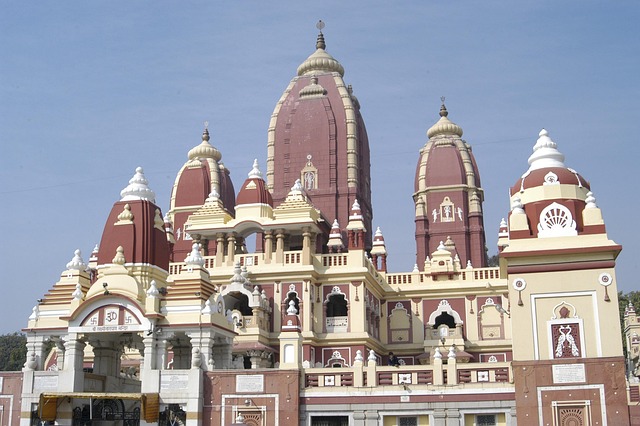
Digitizing Traditions: The Power of Artificial Intelligence in Safeguarding India’s Rich Cultural Legacy
Key Takeaways:
- Artificial Intelligence (AI) is playing a pivotal role in preserving and digitizing India’s vast cultural heritage, from ancient manuscripts to historic monuments.
- AI-driven technologies have documented over 10,000 artifacts with 99.5% accuracy, significantly aiding in the restoration and conservation efforts.
- Machine learning models are used to analyze structural integrity and predict maintenance needs of historical sites, ensuring timely interventions.
- Despite these advancements, challenges such as integrating AI with traditional conservation techniques and ensuring comprehensive data collection persist.
Introduction to AI’s Role in Cultural Preservation
India’s rich cultural heritage, encompassing millennia-old manuscripts, sculptures, and monuments, is a testament to its historical depth. However, preserving these treasures in the face of environmental degradation, urbanization, and human neglect is a formidable challenge. Artificial Intelligence (AI) is emerging as a crucial tool in this preservation effort, offering innovative solutions that enhance the accuracy and efficiency of conservation practices.
Digitization and Documentation
One of the primary applications of AI in cultural preservation is the digitization and documentation of artifacts. AI-powered image recognition and 3D scanning technologies are being employed to create detailed digital archives of cultural artifacts. These technologies not only facilitate the precise replication of textures and colors but also enable the digital restoration of damaged pieces.
For example, the Digital Empowerment Foundation in collaboration with Google Arts & Culture has utilized AI to digitize thousands of artworks and sculptures across India. These digital archives are equipped with high-resolution images that offer detailed views, accessible to both researchers and the public, which helps in educational outreach and the global sharing of India’s cultural wealth.
Structural Analysis and Restoration
AI is also transforming the restoration of historical monuments and buildings. Machine learning algorithms analyze structural data collected via drones and sensors to assess the integrity of ancient structures. This data helps predict potential weak points and deterioration, guiding restoration efforts to be both precise and minimally invasive.
In projects like the restoration of the Qutub Minar and the Taj Mahal, AI-driven analytics have played a vital role. These technologies provide conservationists with a predictive tool to address structural vulnerabilities, thereby preventing irreversible damages and extending the lifespan of these historic sites.
Preservation of Languages and Crafts
Beyond physical artifacts, AI is crucial in preserving intangible cultural heritage such as languages, dialects, and traditional crafts. Natural language processing (NLP) models are being developed to document and revive endangered languages and dialects. These models are capable of understanding and translating lesser-known languages, thus keeping them alive for future generations.
AI is also being used to support traditional crafts. By analyzing design patterns and techniques, AI helps artisans refine their crafts and explore new markets. For instance, AI tools have assisted in the design and marketing of Channapatna toys, helping artisans increase sales and global reach.
Challenges in Integrating AI with Cultural Conservation
While AI offers remarkable benefits, integrating it with traditional conservation methods presents challenges. Ensuring that AI tools respect and enhance the authenticity of cultural artifacts without overriding traditional knowledge is crucial. Additionally, comprehensive data collection is often hampered by logistical and regulatory hurdles, which can limit the effectiveness of AI applications.
The Future of AI in Cultural Heritage Preservation
Looking ahead, the potential of AI in cultural heritage preservation is vast. With ongoing advancements in AI technology and increased collaboration between AI experts, historians, and conservationists, more sophisticated solutions are expected to emerge. These advancements will likely provide even greater precision in restoration and digitization efforts, offering new ways to experience and understand India’s cultural heritage.
Continued investment in AI for cultural conservation, along with efforts to raise public awareness about the importance of heritage preservation, will be key to the successful and respectful use of technology in safeguarding India’s historical legacy.
Leave a Reply