The Heartland of Indian Politics at a Crossroads
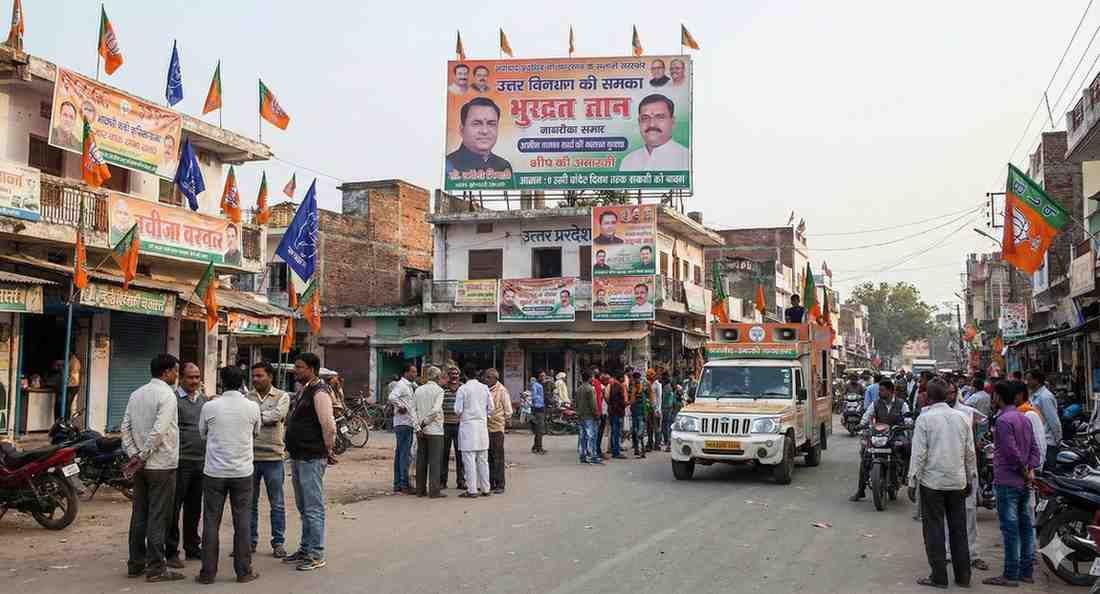
Uttar Pradesh, India’s most populous state, is a political bellwether, setting the tone for the nation’s governance and elections. With its mix of caste dynamics, religious influences, and regional aspirations, the state has long been a microcosm of Indian politics. As Uttar Pradesh transitions into a new electoral cycle, the question arises: Is its political landscape undergoing a meaningful transformation, or is it adhering to its traditional patterns of continuity?
Key Features of Uttar Pradesh’s Political Landscape
1. Dominance of National Parties
- Bharatiya Janata Party (BJP):
- With a commanding majority in the assembly and Lok Sabha seats, the BJP has solidified its presence, leveraging development narratives, Hindutva ideology, and welfare schemes.
- The Yogi Adityanath-led government has focused on law and order, infrastructure projects, and social welfare schemes like free ration distribution, which have resonated with large sections of the electorate.
- Indian National Congress (INC):
- Once dominant, the Congress has struggled to regain relevance in Uttar Pradesh, plagued by weak leadership and limited grassroots connections. Despite efforts by Priyanka Gandhi Vadra to revive the party, its impact remains minimal.
2. Resurgence of Regional Parties
- Samajwadi Party (SP):
- Positioned as the primary opposition, the SP has focused on caste alliances, particularly among Yadavs and Muslims. Akhilesh Yadav’s leadership appeals to youth and middle-class voters, but the party faces challenges in expanding beyond its core base.
- Bahujan Samaj Party (BSP):
- The BSP’s Dalit-centric approach, once revolutionary, has seen declining voter traction due to a lack of innovation and outreach. However, Mayawati’s disciplined cadre retains influence in key pockets.
3. Influence of Smaller and Emerging Players
- Parties like Apna Dal (S) and Rashtriya Lok Dal (RLD), with their niche voter bases, have formed strategic alliances, amplifying their roles in coalition politics.
- Independents and regional leaders increasingly represent localized grievances, indicating a shift toward decentralized political representation.
Change in Uttar Pradesh’s Political Dynamics
1. Youth Engagement
- With over 30% of voters under 35, the youth are emerging as a significant political force. Social media, digital platforms, and grassroots campaigns are influencing how parties connect with younger demographics.
- Issues like education, employment, and digital connectivity are becoming key talking points.
2. Development Narratives
- Political campaigns increasingly emphasize infrastructure projects like the Purvanchal Expressway, Jewar International Airport, and metro expansions.
- Welfare schemes, including housing, ration distribution, and health insurance, have shifted voter priorities from caste-driven politics to tangible development benefits.
3. Women as Political Stakeholders
- Initiatives like Mission Shakti and targeted schemes for women have brought gender issues to the forefront.
- Women’s participation in elections, both as voters and candidates, is rising, shaping political discourse in new directions.
4. Increased Polarization
- Religious and caste-based polarization continues to play a significant role, with parties deploying these strategies to consolidate voter bases.
- However, backlash against overt divisive tactics is growing among educated and urban voters.
Continuity in Uttar Pradesh Politics
1. Caste and Religious Alignments
- Caste-based politics remains deeply entrenched, with parties relying on alliances among Yadavs, Dalits, Brahmins, and Thakurs to secure electoral victories.
- Religious mobilization, particularly around Hindu-Muslim dynamics, continues to be a cornerstone of electoral strategy.
2. Dynastic Politics
- Political dynasties, particularly within the SP and Congress, remain dominant, limiting fresh leadership and grassroots representation.
3. Voter Loyalty
- Core voter bases for major parties, such as BJP’s upper-caste and non-Yadav OBC support or SP’s Yadav-Muslim alliance, exhibit continuity despite changing narratives.
Challenges to Political Transformation
1. Economic Disparities
- Despite development claims, disparities between rural and urban areas persist, creating discontent among marginalized communities.
2. Bureaucratic Inefficiencies
- Delays in implementing welfare schemes and infrastructure projects often dilute the impact of government efforts, leading to voter skepticism.
3. Resistance to Change
- Political inertia among traditional voter bases and reluctance to embrace new leadership hinder the pace of transformation.
The Path Forward
1. Fostering Inclusive Development
- Focus on bridging urban-rural divides through equitable infrastructure and economic opportunities.
- Expand social welfare programs to reach underserved communities without bias.
2. Promoting New Leadership
- Encourage the rise of young and dynamic leaders across parties to reinvigorate political discourse.
- Support women leaders to ensure diverse representation.
3. Reducing Polarization
- Shift narratives from divisive tactics to issue-based campaigns that prioritize education, healthcare, and employment.
4. Strengthening Grassroots Engagement
- Build local leadership structures to address region-specific issues and foster closer voter-party connections.
Conclusion: Change or Continuity?
Uttar Pradesh’s political landscape is a blend of both change and continuity. While the state is witnessing shifts toward development-driven narratives and youth engagement, the stronghold of caste and religious alignments remains intact. The challenge lies in bridging these dual forces to create a truly transformative political environment.
The road ahead for Uttar Pradesh’s politics will depend on how effectively parties balance the aspirations of a modern electorate with the traditions that continue to define its political identity. Will change redefine the state’s future, or will continuity maintain its hold? Only time will tell.
Leave a Reply