
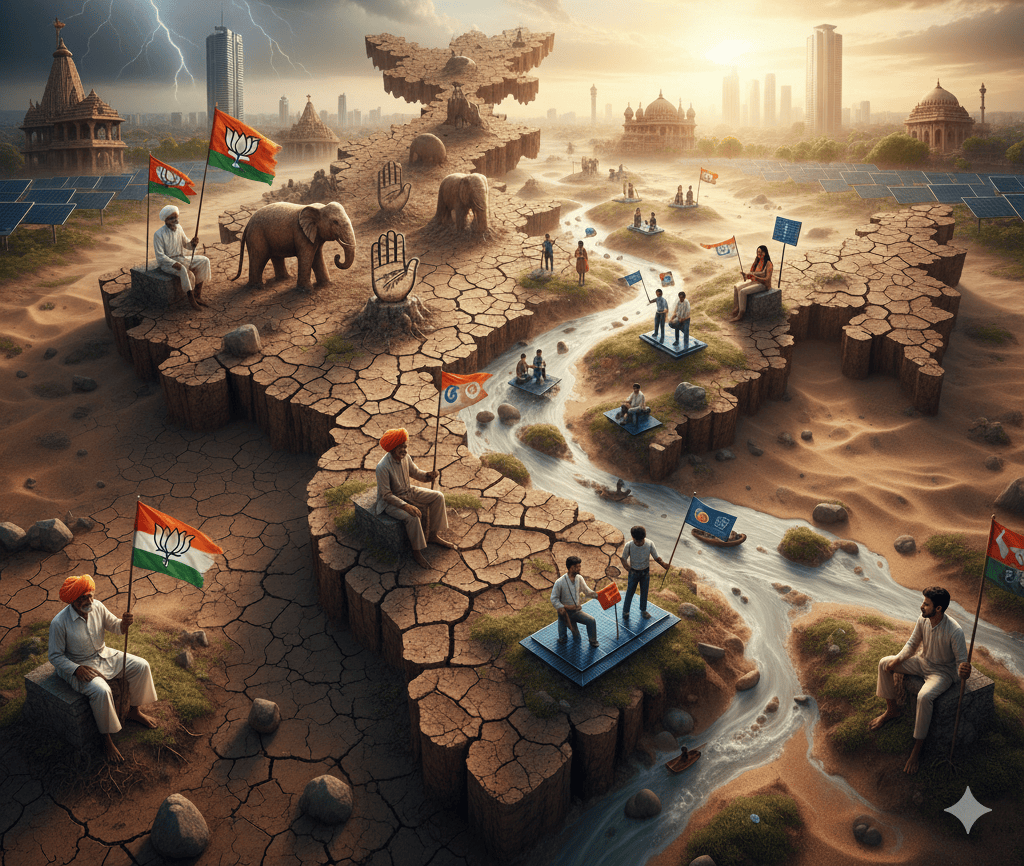
A Crucial State in India’s Political Fabric
Uttar Pradesh, India’s most populous state, wields unparalleled influence in the nation’s political arena. Home to a sprawling electorate, diverse socio-political dynamics, and a pivotal role in determining Lok Sabha outcomes, the state exemplifies the complexity of Indian democracy. The key question remains: Is Uttar Pradesh undergoing seismic political shifts, or does it remain firmly anchored in traditional paradigms?
Key Metrics
- Population: Over 240 million, accounting for 16% of India’s population.
- Lok Sabha Seats: 80, the highest among Indian states.
- Youth Demographic: Nearly 60% under the age of 30.
- Recent Electoral Performance: BJP won 71 seats in the 2019 general elections, maintaining dominance.
A Historical Powerhouse
Uttar Pradesh’s political narrative has been shaped by its centrality in Indian history. During the early decades post-independence, the Congress Party’s dominance was undisputed, producing iconic leaders like Jawaharlal Nehru, Indira Gandhi, and Atal Bihari Vajpayee. However, the late 20th century marked a turning point with the rise of regional parties such as the Samajwadi Party (SP) and the Bahujan Samaj Party (BSP). By galvanizing support from OBCs and Dalits, these parties disrupted the Congress’s stranglehold, ushering in an era of caste-based electoral mobilization.
The BJP’s Resurgence
The Bharatiya Janata Party (BJP) has firmly entrenched itself as the preeminent force in Uttar Pradesh. Riding the Modi wave of 2014, the BJP not only swept the 2017 state elections but also retained its stronghold in the 2019 general elections. Chief Minister Yogi Adityanath has emphasized governance priorities, including law and order, infrastructure development, and welfare initiatives such as the PM-Kisan Samman Nidhi.
While the BJP’s narrative blends development and Hindu nationalist rhetoric, systemic challenges like rural distress, unemployment, and social unrest pose significant tests to its longevity.
Regional Parties: Relevance Amid Decline
Once dominant, the SP and BSP have faced waning influence. Akhilesh Yadav’s SP has sought to reposition itself with youth-centric and farmer-friendly policies, while Mayawati’s BSP remains rooted in its Dalit voter base. The SP’s 2022 assembly election performance—a robust second-place finish—indicates resilience, signaling that regional parties retain potential to recalibrate the state’s political landscape.
Caste and Religion: Enduring Pillars
Uttar Pradesh’s electoral dynamics remain deeply entwined with caste and religion. The BJP’s coalition of upper castes, non-Yadav OBCs, and non-Jatav Dalits underscores its strategic prowess. Meanwhile, the SP and BSP continue mobilizing their core constituencies while striving for broader appeal. Religious issues such as the Ram Mandir construction and communal polarization frequently shape public discourse, amplifying identity-based politics.
Emerging Trends: Youth and Urban Voters
With nearly 60% of its population under 30, youth voters are an increasingly influential demographic. Their priorities—employment, education, and quality of life—are reshaping political strategies. Urbanization and digital platforms have further amplified the importance of younger, tech-savvy constituencies, compelling political parties to adapt their outreach methods.
Challenges and Opportunities
The BJP’s dominance, though robust, faces vulnerabilities. Rising inflation, agrarian discontent, and perceptions of authoritarianism could erode its voter base. Conversely, opposition parties have opportunities to harness discontent, provided they can present cohesive and compelling alternatives.
A State in Transition
Uttar Pradesh epitomizes the tension between continuity and change. As the 2024 general elections approach, the state remains a critical bellwether for national politics. Whether it reinforces the prevailing order or paves the way for a transformative realignment will have profound implications for India’s democratic trajectory.
Leave a Reply