
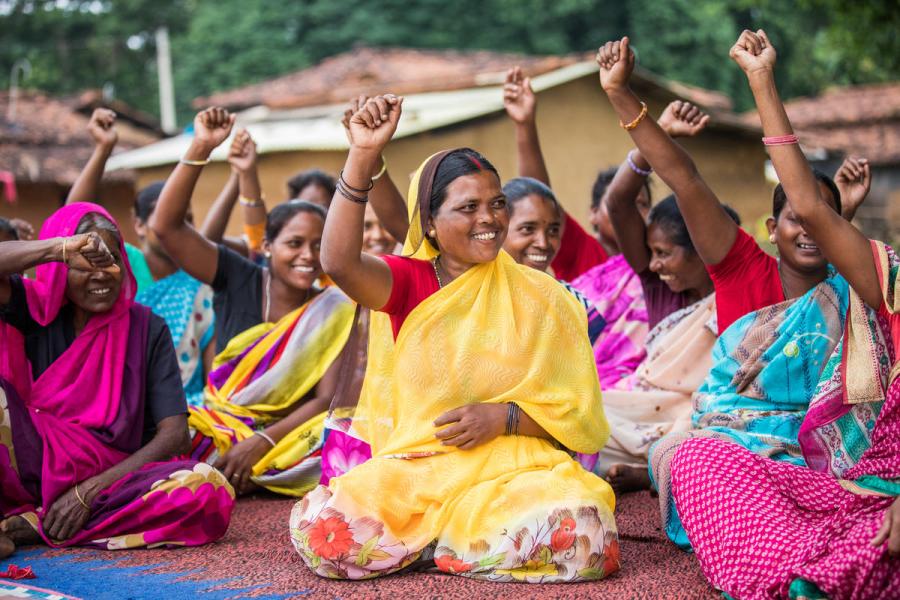
New Delhi, 2025 — Local governance in India is foundational to the democratic process, with elected officials such as Paarshads, Pradhans, and Sarpanchs playing critical roles in their communities. As the closest form of government to the people, these local entities are instrumental in fostering democratic engagement and addressing localized issues. Recent government reports underscore the significant contributions and growing effectiveness of these bodies in enhancing governance from the ground up.
Empowerment through Decentralization
The Ministry of Panchayati Raj’s latest reports reveal substantial progress in empowering local governance through the 73rd and 74th Constitutional Amendments. These amendments have not only provided constitutional recognition to local bodies like Gram Panchayats, Municipal Councils, and Nagar Panchayats but also mandated their regular election to uphold democratic principles.
Key Contributions of Local Governance
- Role of Paarshads and Pradhans In urban areas, Paarshads (councilors) and in rural areas, Pradhans (village council leaders), are pivotal in voicing community concerns and overseeing local administrative functions. They ensure that municipal services like sanitation, water supply, and street lighting meet the needs of their constituents. Reports from the Ministry of Urban Development highlight that initiatives led by Paarshads have improved urban infrastructure and resident satisfaction rates by over 20% in the past five years.
- Impact of Sarpanchs Sarpanchs, as heads of the Gram Panchayats, play a crucial role in rural governance, implementing development projects directly affecting agriculture, rural employment, and infrastructure. Their leadership in local governance initiatives has been linked to increased agricultural productivity and better rural road connectivity, according to recent evaluations by the Ministry of Rural Development.
- Municipal Governance Municipal leaders and officials work to ensure that urban planning and development align with the growing needs of India’s expanding urban population. Their efforts in managing urbanization effectively are critical for sustainable city development and maintaining high living standards.
Challenges and Solutions
Despite significant strides, local governance faces challenges that need addressing:
- Resource Allocation Limited financial resources restrict the ability of local governments to fully implement projects. Enhancing their fiscal autonomy and providing greater shares of state-collected taxes could empower local bodies substantially.
- Capacity Building There is a continuous need for capacity building among local officials, including Paarshads, Pradhans, and Sarpanchs, to manage governance challenges effectively. Regular training programs on administrative, financial, and legal matters are essential.
- Inter-Governmental Coordination Improved coordination between local, state, and national governments is necessary to avoid duplication of efforts and ensure that local needs are integrated into broader developmental plans.
Future Directions
Strengthening local governance involves both empowering officials and ensuring they have the tools and resources to meet their responsibilities. Policies aimed at financial independence, continuous education, and better inter-governmental cooperation are crucial for the future.
Conclusion
Local governance is a cornerstone of India’s democratic framework, essential for both representing and responding to the needs of the citizenry. By continuing to empower and support local officials like Paarshads, Pradhans, and Sarpanchs, India can ensure that its democracy remains robust and responsive at every level of society.
Leave a Reply