
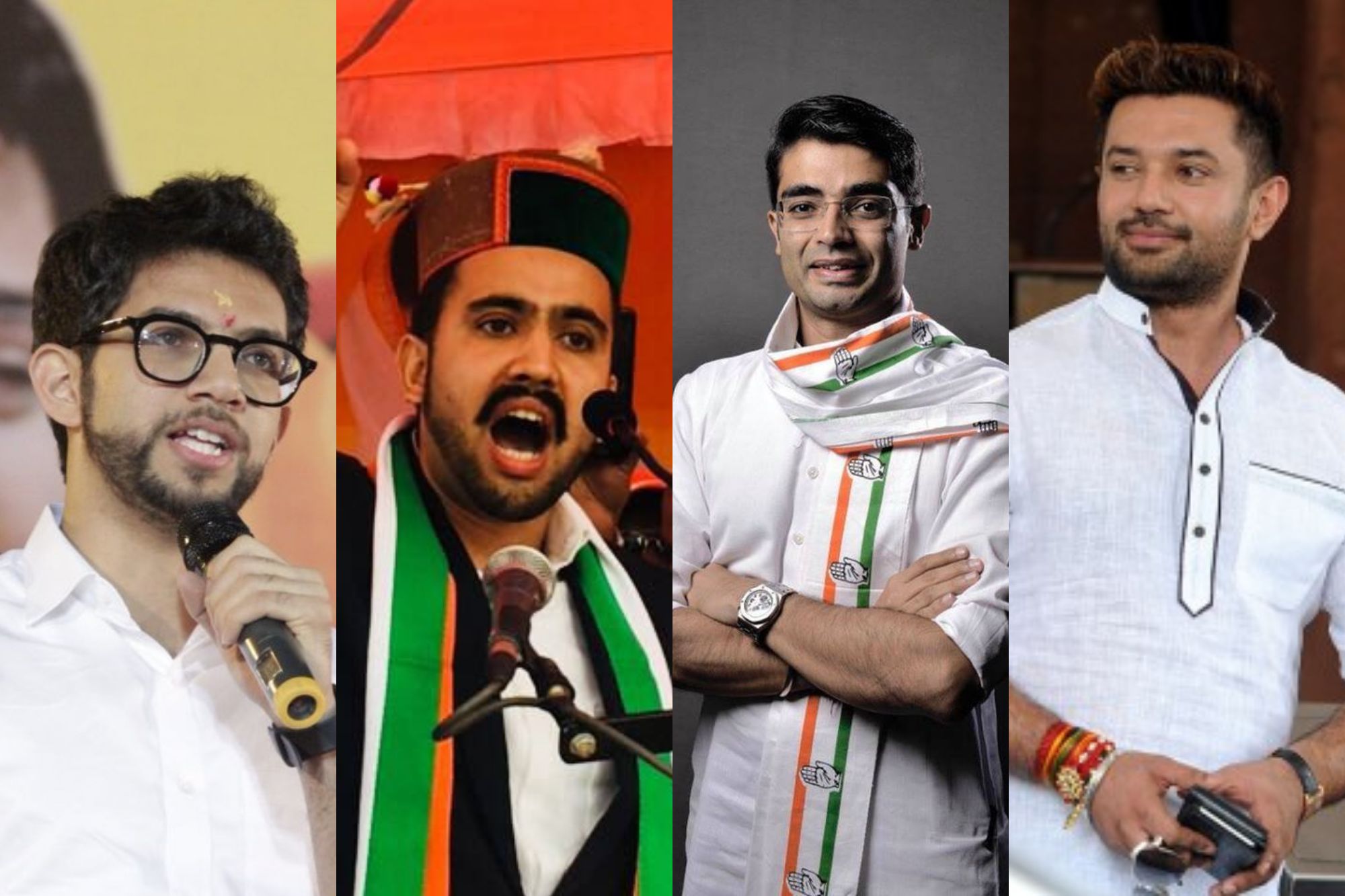
Exploring the Role of Young Leaders in Shaping India’s Political Landscape
Key Metrics:
- Youth Demographics: Over 65% of India’s population is under 35, making it one of the youngest nations globally.
- Youth Representation: Only 13% of Members of Parliament (MPs) in the 17th Lok Sabha are under 40.
- Voter Turnout: Youth voter turnout increased by 10% in the 2019 general elections compared to 2014, reflecting growing engagement.
- Global Examples: Finland’s Sanna Marin became Prime Minister at 34, showcasing the potential of young leaders in governance.
News Body
India, with its burgeoning youth population, stands at a crossroads when it comes to political leadership. Despite being home to one of the youngest populations globally, political representation remains skewed in favor of older leaders. This gap raises pressing questions: Are young politicians the key to shaping a more dynamic and progressive India?
The Case for Young Leadership
Young leaders bring fresh perspectives, innovative ideas, and a deeper understanding of contemporary challenges like unemployment, climate change, and digital transformation. With technology and globalization rapidly reshaping society, the insights and adaptability of young politicians can better align governance with modern realities.
Countries like Finland, where Sanna Marin assumed office as Prime Minister at 34, and New Zealand, led by Jacinda Ardern at 37, illustrate how young leaders can drive progressive policies and foster inclusivity. For India, tapping into its youth potential could rejuvenate political discourse and governance.
Barriers to Entry for Young Politicians
While the need for young politicians is evident, systemic challenges hinder their entry into formal politics. The high costs of running for office, lack of mentorship, and dominance of political dynasties often deter young aspirants.
According to a report by the Association for Democratic Reforms, 30% of MPs in the Lok Sabha belong to political families, leaving little room for merit-based opportunities. Additionally, societal biases often view young leaders as inexperienced, despite their potential to innovate and connect with younger constituents.
The Role of Youth in Political Movements
India’s youth have historically been catalysts for political and social change. From the Chipko Movement in the 1970s to recent protests addressing climate action and gender justice, young voices have shaped public discourse.
These movements demonstrate the passion and capabilities of India’s youth. However, translating activism into formal political engagement requires systemic reforms, including creating pathways for young leaders to transition from grassroots movements to governance roles.
Steps to Foster Young Leadership
To bridge the gap, political parties must prioritize youth inclusion. Establishing mentorship programs, reducing campaign costs, and creating youth-centric leadership academies can encourage greater participation.
Educational institutions also play a crucial role. Introducing civic education in schools and colleges can nurture political awareness and leadership skills from a young age. Programs like Youth Parliaments and internships with political offices can provide practical exposure.
Digital platforms, a space dominated by young Indians, can also be leveraged to promote political participation. Campaigns targeting young voters and online discussions about governance can inspire political aspirations.
The Road Ahead
For India to harness its demographic dividend, it must embrace the potential of young politicians. Their energy, adaptability, and forward-thinking approaches are critical to addressing the challenges of the 21st century.
While challenges persist, fostering a culture of inclusivity and meritocracy in politics can pave the way for a new generation of leaders. Young politicians are not just the future of India—they are essential to building a progressive, innovative, and equitable nation.
Conclusion
The importance of young politicians cannot be overstated. They hold the power to redefine India’s political landscape, ensuring governance that resonates with the aspirations of a rapidly changing society. By empowering young leaders today, India secures a brighter, more dynamic tomorrow.
Leave a Reply