
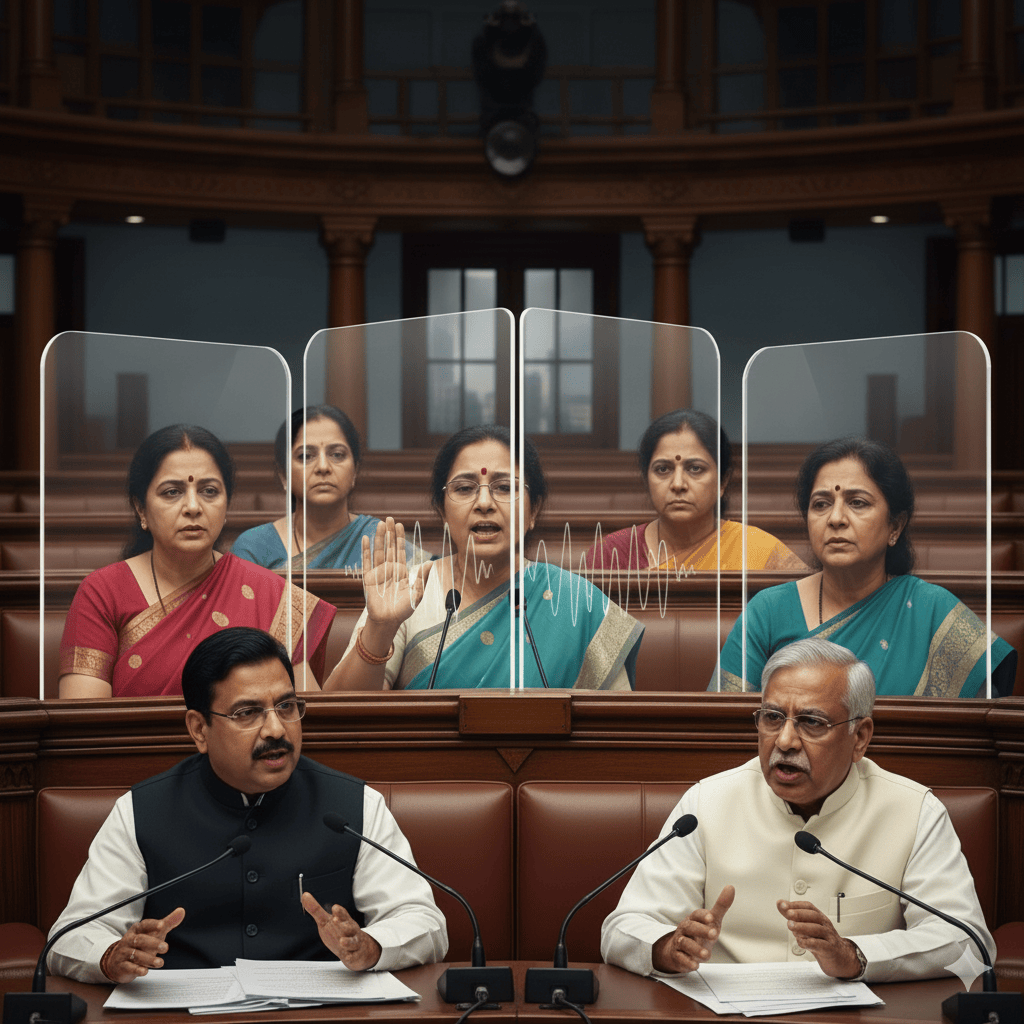
Women in Uttar Pradesh’s Political Arena
Uttar Pradesh (UP), India’s most populous state, has long been a microcosm of the country’s socio-political dynamics. While women constitute nearly half of the state’s population, their representation and influence in the political arena remain disproportionately low. Despite increasing female voter turnout and targeted welfare programs, the question lingers: Are women in UP truly being given a voice, or are they still marginalized in the corridors of power?
Key Metrics
- Female Population: Women constitute 48.04% of UP’s population. (Census 2011)
- Voter Turnout: Female turnout in the 2022 Assembly elections was 62.6%, surpassing male turnout for the first time. (Election Commission of India)
- Representation: Women hold only 47 of the 403 seats in the UP Legislative Assembly, approximately 11.6%. (Election Commission of India, 2022)
- Workforce Participation: Female labor force participation in UP is among the lowest in India at 9.4%. (National Statistical Office, 2023)
Recent Efforts to Address Gender Inequality
1. Increased Voter Engagement
The rising female voter turnout signals growing political awareness among women. Campaigns like Matdata Jagrukta Abhiyan (Voter Awareness Campaign) have encouraged women to actively participate in elections.
2. Targeted Welfare Schemes
The state government has launched programs aimed at addressing women’s issues:
- Mission Shakti: Focused on women’s safety, empowerment, and legal rights.
- Kanya Sumangala Yojana: Financial assistance for girl children to promote education and healthcare.
- Ujjwala Yojana: Free LPG connections to reduce women’s dependency on traditional cooking methods.
3. Panchayati Raj Quotas
UP mandates 33% reservation for women in local governance, fostering grassroots-level leadership among women.
Challenges Persisting in UP Politics
1. Low Representation in Leadership
Despite their significant presence in the electorate, women remain underrepresented in decision-making roles.
- Legislative Gap: Women occupy only 11.6% of the seats in the UP Assembly, far below the 33% reservation target advocated by women’s rights groups.
- Token Representation: Many women politicians are relatives of male leaders, raising concerns about proxy leadership.
2. Socio-Cultural Barriers
Patriarchal norms and societal expectations often deter women from pursuing political careers.
- Lack of Access: Women in rural areas face challenges accessing resources, networks, and platforms necessary for political participation.
- Safety Concerns: Threats of violence and harassment remain significant deterrents.
3. Limited Focus on Gender-Specific Issues
While welfare schemes have made strides, larger systemic issues like wage gaps, employment disparities, and healthcare access for women are often sidelined in policy discussions.
The Role of Political Parties
1. Campaigns Tailored to Women
All major political parties have attempted to woo women voters by highlighting safety and empowerment initiatives.
- BJP: Emphasized programs like Mission Shakti and Ujjwala Yojana.
- Samajwadi Party (SP): Focused on education and financial assistance for girls.
- Congress: Launched a women-centric manifesto for the 2022 elections, including promises of 40% ticket allocation for women candidates.
2. Inadequate Ticket Allocation
Despite promises, ticket allocation for women remains abysmally low, with most parties falling short of the 33% benchmark.
Steps Toward Closing the Gender Gap
- Increased Political Representation
- Mandate a minimum of 33% reservation for women in legislative assemblies.
- Encourage political parties to field women candidates in winnable constituencies.
- Capacity Building and Leadership Training
- Provide resources and training to women aspiring for political roles, especially in rural areas.
- Safety and Security Measures
- Strengthen laws and enforcement to protect women candidates and leaders from harassment and violence.
- Gender-Inclusive Policies
- Ensure that broader issues like healthcare, education, and employment for women are prioritized in political manifestos.
Conclusion
The rising political participation of women in Uttar Pradesh marks a promising shift, but significant gaps remain in their representation and influence. While targeted welfare schemes and voter engagement initiatives have empowered women at the grassroots level, systemic barriers continue to hinder their ascent to leadership roles.
For UP’s political future to truly reflect its demographic reality, it must prioritize the inclusion of women not just as voters but as decision-makers. Bridging this gender gap is essential for a more equitable and progressive political landscape, where every voice is heard and valued.
Leave a Reply