
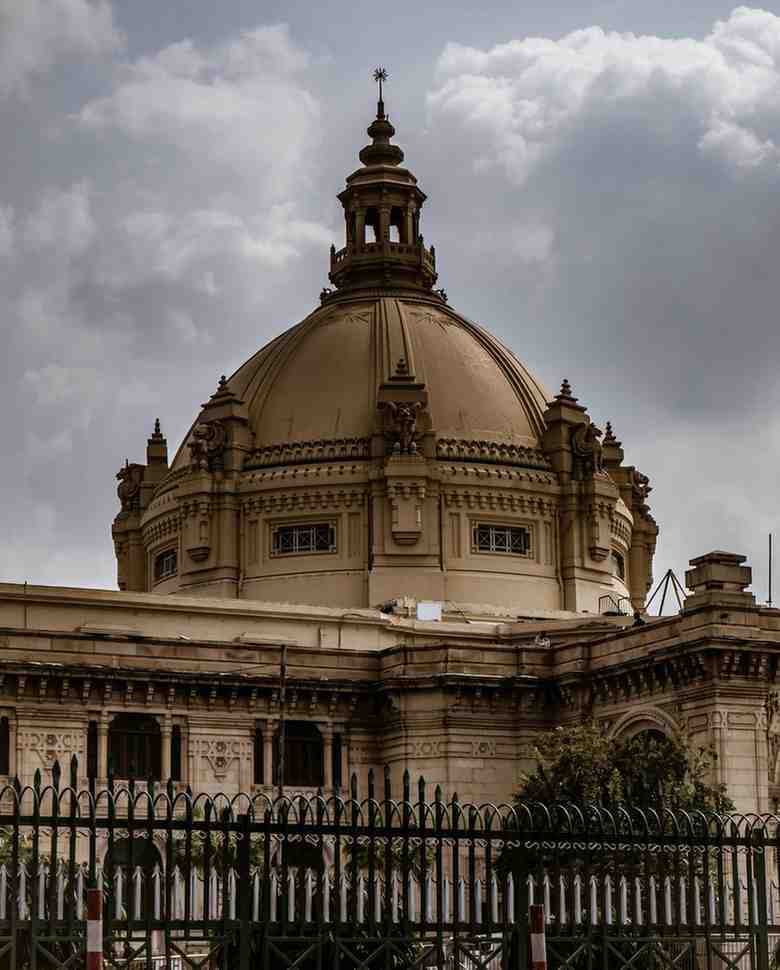
An Evolving Political Landscape
Uttar Pradesh, India’s largest and most politically influential state, is often seen as a microcosm of the nation’s democratic processes. With its 240 million residents and 80 Lok Sabha seats, shifts in Uttar Pradesh’s political power structure can reverberate across the national stage. As the state contends with shifting voter demographics, economic challenges, and evolving social dynamics, the question arises: Are we witnessing a reconfiguration of power among its dominant political parties?
Key Metrics
- Population: Over 240 million, with a youthful demographic (60% under 30 years).
- Electoral Stakes: 80 Lok Sabha seats, accounting for nearly 15% of the total.
- Caste and Religious Composition: OBCs (40%), Dalits (21%), Muslims (19%), and upper castes (20%) form critical voting blocs.
- Party Dominance (2022): BJP retains control with 255 seats in the assembly, followed by SP (111) and BSP (1).
The BJP’s Ascendancy: Consolidation or Plateau?
The Bharatiya Janata Party (BJP) has maintained its dominance in Uttar Pradesh since its resounding victories in the 2014 and 2019 general elections and the 2017 and 2022 assembly elections. Key drivers of its success include:
- Caste Realignment: The BJP’s ability to consolidate upper-caste, non-Yadav OBC, and non-Jatav Dalit votes has been central to its electoral strategy.
- Development Agenda: Infrastructure projects, welfare schemes like PM-Kisan, and improved law and order have reinforced its governance narrative.
- Hindu Nationalism: Religious polarization and narratives around the Ram Mandir and Article 370 have solidified its core voter base.
However, challenges such as rising unemployment, rural distress, and anti-incumbency could erode the BJP’s dominance, making the coming years critical for its sustainability.
The SP and BSP: Revival or Decline?
The Samajwadi Party (SP) and the Bahujan Samaj Party (BSP), once dominant forces, now find themselves grappling with waning influence:
- SP’s Strategic Shifts: Led by Akhilesh Yadav, the SP has sought to rebrand itself as a progressive and inclusive alternative. Its resurgence in the 2022 assembly elections, with a significant increase in seats, indicates potential for revival.
- BSP’s Diminishing Base: Under Mayawati, the BSP’s reliance on a shrinking Dalit vote bank and lack of grassroots mobilization have weakened its standing. The party’s failure to expand beyond its core constituency remains a critical challenge.
The Role of Emerging Players
Smaller parties and regional coalitions are increasingly shaping Uttar Pradesh’s political dynamics:
- Apna Dal and Nishad Party: These BJP allies have leveraged their caste-based appeal to secure influence disproportionate to their size.
- AIMIM and RLD: Parties like Asaduddin Owaisi’s AIMIM and the Rashtriya Lok Dal (RLD) are working to carve niches among Muslims and Jats, respectively, adding complexity to the electoral landscape.
Voter Trends and the Youth Factor
With 60% of Uttar Pradesh’s population under the age of 30, the youth demographic represents a powerful but volatile electorate. Key trends include:
- Demand for Employment: High unemployment rates are driving youth disillusionment, making job creation a pivotal electoral issue.
- Digital Campaigning: Social media and digital outreach have become crucial for engaging tech-savvy young voters.
- Issue-Based Politics: Younger voters are increasingly prioritizing education, healthcare, and quality of life over traditional identity-based appeals.
Potential Shifts in Power
While the BJP remains the dominant force, several factors could catalyze a shift in the state’s political power dynamics:
- Anti-Incumbency: Prolonged rule by a single party often fosters dissatisfaction, creating openings for opposition parties.
- Alliance Dynamics: Strategic coalitions among regional and opposition parties could challenge the BJP’s hegemony.
- Evolving Voter Priorities: The growing emphasis on governance, transparency, and economic performance could redefine electoral calculus.
Conclusion: A State in Transition
Uttar Pradesh’s political future is poised at a crossroads. While the BJP’s dominance continues to shape the state’s governance and electoral landscape, shifting voter expectations and emerging political realignments suggest that change may be on the horizon. Whether this translates into a fundamental shift in power or an evolution within existing structures will depend on how effectively parties address the aspirations and challenges of Uttar Pradesh’s diverse electorate. The coming electoral cycles will undoubtedly serve as a litmus test for these dynamics, with implications that extend far beyond the state’s borders.
Leave a Reply