
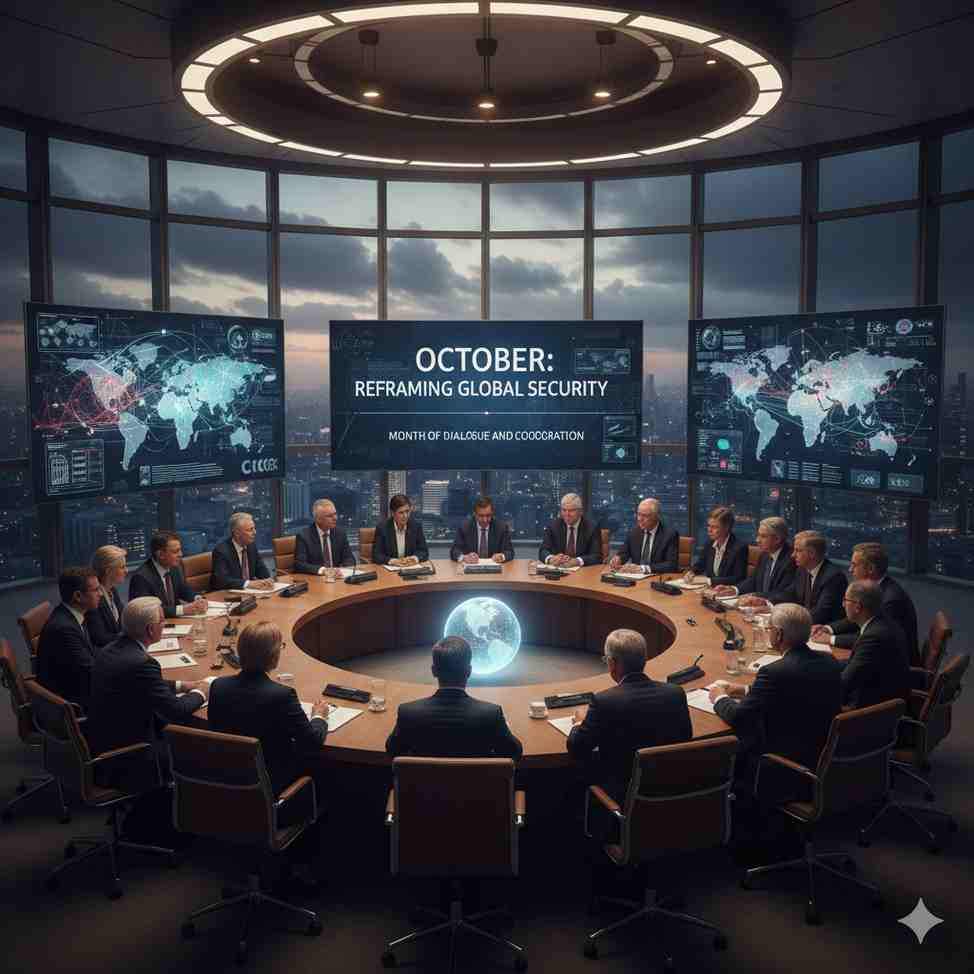
Key highlights
- Somalia holds the Security Council Presidency in January 2026. United Nations
- The monthly president influences agenda timing, meeting formats, and diplomatic tone. United Nations
- Symbolically powerful: a country long discussed as a security case study now chairs the room.
Every month, the Security Council has a new president. In January 2026, that role goes to Somalia. United Nations It is procedural power, not absolute power—but in diplomacy, procedure is often the difference between action and drift.
The presidency matters because it sets the rhythm: what gets scheduled, what gets spotlighted, which debates become “signature events,” and how certain issues are framed. Somalia’s month at the helm carries symbolic weight: it speaks to the shifting nature of legitimacy—where states once viewed primarily through the lens of conflict increasingly demand voice and agency in the institutions that judge them.
How things could turn out
- Best case: Somalia uses the month to foreground practical security themes—counterterrorism, peacekeeping realities, humanitarian constraints—without turning the Council into a stage play. United Nations
- Middle case: symbolic moment is real, but constrained; major files still move on the schedule of permanent powers.
- Risk case: if global crises spike, the presidency becomes crisis triage, not agenda-setting—visibility without leverage.
Official source: UN Security Council presidency schedule.
Leave a Reply