
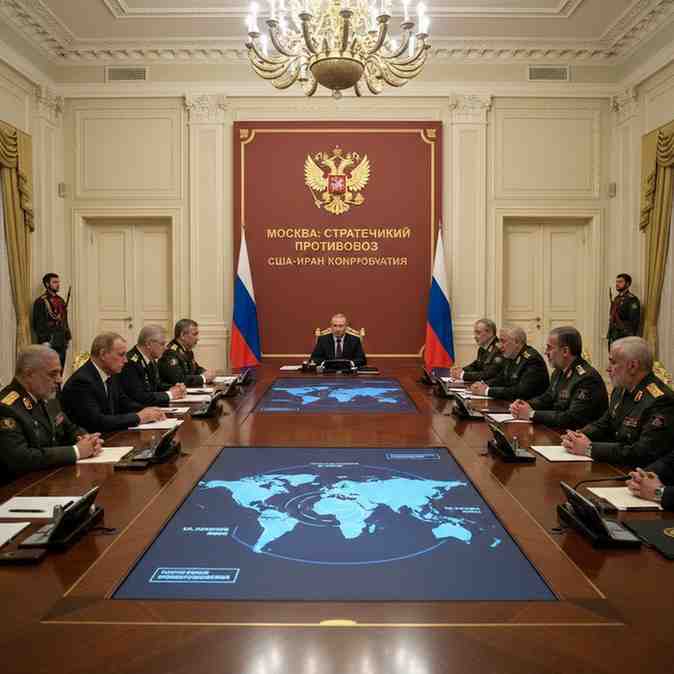
Moscow, February 2026 — Russia has sent a clear signal to the White House: its alliance with Iran is not up for negotiation. Even as U.S. President Donald Trump issues a 15-day ultimatum for a new nuclear deal, the Kremlin has doubled down on its ties with Tehran, complicating Washington’s efforts to isolate the Islamic Republic.
The Russian Reaffirmation While the United States ramps up military posturing, Moscow is moving in the opposite direction. Kremlin spokesperson Dmitry Peskov confirmed that Russia is actively developing its multifaceted relationship with Iran.
By publicly backing its “Iranian friends,” Moscow is effectively providing a diplomatic safety net for Tehran. While Peskov urged “restraint and prudence” from all regional parties to prevent an all-out war, he made it clear that Russia views political and diplomatic means as the “absolute priority”.
Geneva: Diplomacy Behind a Iron Curtain The announcement follows the third round of trilateral talks in Geneva concerning the Ukraine conflict. However, any hopes that these meetings would lead to a broader “grand bargain” involving Iran were quickly dampened.
- No Presidential Call: The Kremlin confirmed there are currently no plans for a phone conversation between Vladimir Putin and Donald Trump to discuss the recent negotiations.
- Extreme Secrecy: Russian officials refused to disclose any details regarding the content of the Geneva discussions, stating that the current stage of negotiations is too sensitive for public consumption.
A Stance Against “Unprecedented Escalation” Moscow has acknowledged that the region is witnessing an “unprecedented escalation of tension”. Yet, the Kremlin’s strategy appears to be one of strategic patience. By refusing to distance itself from Tehran, Russia is positioning itself as a counterweight to U.S. pressure, hoping that “diplomatic means will continue to dominate” over the military strikes threatened by Washington.
The Sports-Politics Divide In a notable shift during the briefing, the Kremlin also criticized the “Kiev regime” for politicizing international sports. Reaffirming a core Russian stance, officials argued that athletes should be free to perform under their national flags, regardless of the geopolitical climate—a sentiment they likely hope will resonate with other nations currently facing Western sanctions.
Bottom Line The Kremlin’s refusal to back down on its Iran ties is the “third shocker” for the Trump administration’s foreign policy. As the 15-day U.S. deadline looms, Putin has made it clear that Russia will not be a silent spectator. By shielding Tehran diplomatically, Moscow is forcing Washington to decide if it is truly ready for the “unfortunate consequences” of a war that would now involve a defiant Russia.
Leave a Reply