
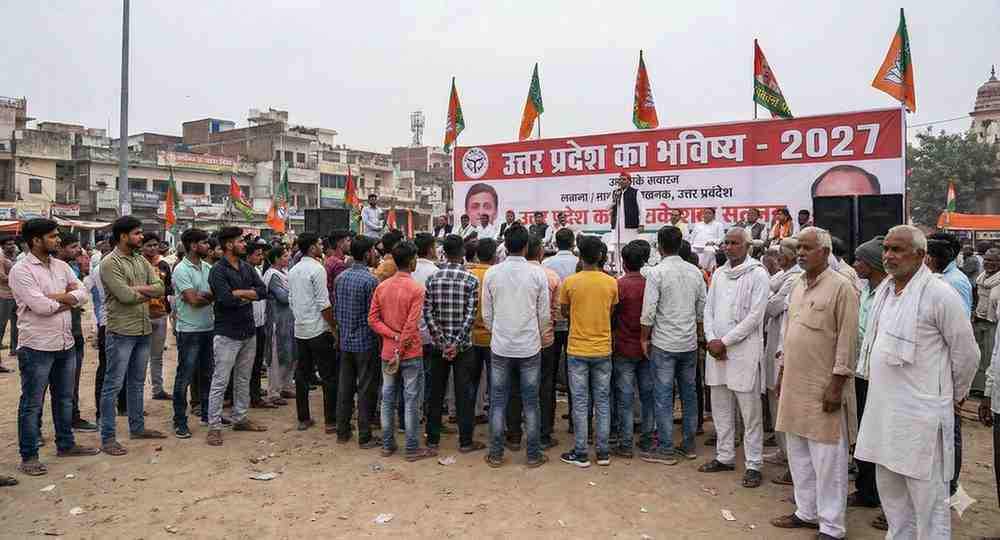
The Power of Concentration: Few Hands, Many Decisions
Uttar Pradesh (UP), India’s most populous state, often mirrors the country’s broader political dynamics. With a landscape dominated by a handful of political stalwarts and dynasties, questions arise about the inclusivity of its political future. Is power being concentrated in the hands of a select few, or is the state moving toward a more representative and participatory democracy?
Key Metrics
- Electoral Dynamics (2022 Assembly Elections):
- BJP: 255 seats (41.3% vote share)
- Samajwadi Party (SP): 111 seats (32% vote share)
- Bahujan Samaj Party (BSP): 1 seat (12.9% vote share)
- Congress: 2 seats (2.3% vote share) (Election Commission of India)
- Political Leadership:
- 70% of seats in the state assembly are held by individuals from three dominant parties: BJP, SP, and BSP.
- Caste Representation:
- Upper castes hold over 40% of leadership positions in major political parties despite constituting less than 20% of the state’s population.
- Dalits (21%) and Muslims (19%) are underrepresented in legislative roles.
The Key Players Shaping UP’s Political Landscape
1. Yogi Adityanath and the BJP Machinery
- Centralized Power: Yogi Adityanath’s strongman image has solidified his position as the face of BJP’s governance in UP.
- Focus: Infrastructure development, law and order, and cultural nationalism.
- Criticism: Allegations of sidelining dissenting voices within the party and opposition.
2. Akhilesh Yadav and the SP Dynasty
- The Family Legacy: As the inheritor of Mulayam Singh Yadav’s political empire, Akhilesh has positioned himself as the primary challenger to BJP.
- Focus: Social justice and regional equity.
- Criticism: Accusations of relying heavily on caste-based politics and familial control.
3. Mayawati and the Shrinking BSP
- Dalit Icon: Mayawati remains a symbol of Dalit empowerment but struggles to regain the BSP’s former electoral strength.
- Focus: Advocacy for marginalized communities.
- Criticism: Her absence from active politics has led to questions about the party’s relevance.
4. Congress: A Fading Force
- Leadership: Priyanka Gandhi Vadra has attempted to revive Congress’s grassroots presence but has faced limited success.
- Focus: Women-centric campaigns and rural outreach.
- Criticism: Weak organizational structure and lack of a clear strategy.
The Concentration of Power: Implications for Democracy
1. Dominance of Dynasties
Political power in UP remains largely hereditary, with parties like SP and Congress heavily influenced by familial ties.
- Impact: Limits opportunities for grassroots leaders to emerge and perpetuates voter dependency on established names.
2. Underrepresentation of Minorities
Despite being significant in numbers, Dalits and Muslims often find themselves underrepresented in leadership roles and policymaking.
3. Centralization of Governance
Yogi Adityanath’s leadership has been characterized by a top-down approach, with decision-making concentrated in the Chief Minister’s Office.
- Impact: While efficient in some cases, this model often sidelines local voices and regional leaders.
Is There Room for Change?
1. The Role of Youth and New Leaders
The growing youth population demands fresh faces and innovative policies. Leaders like Jayant Chaudhary (RLD) and Baby Rani Maurya (BJP) symbolize the potential for a generational shift.
2. Grassroots Movements
Regional and grassroots movements focusing on local issues are beginning to challenge traditional power structures.
3. Coalition Politics
Smaller parties and independent candidates are gaining ground, potentially disrupting the dominance of major players.
Steps Toward a More Inclusive Political Future
- Empowering Regional Voices
Decentralize decision-making to ensure regional and local leaders have a greater say in governance. - Encouraging Grassroots Leadership
Create platforms for young and first-generation politicians to rise within parties. - Addressing Minority Representation
Ensure proportional representation of Dalits, Muslims, and other marginalized communities in leadership roles. - Promoting Transparency
Implement measures to reduce the influence of money and muscle power in elections.
Conclusion: A Tale of Power and Potential
While Uttar Pradesh’s political future is being shaped by a few dominant players, there is an undercurrent of change driven by youth, grassroots movements, and demands for inclusivity.
For the state’s democracy to thrive, it must move beyond the concentration of power and embrace diverse voices. Only then can UP’s political future truly reflect the aspirations of its people, ensuring that governance is by the many and for the many—not just the few.
Leave a Reply