
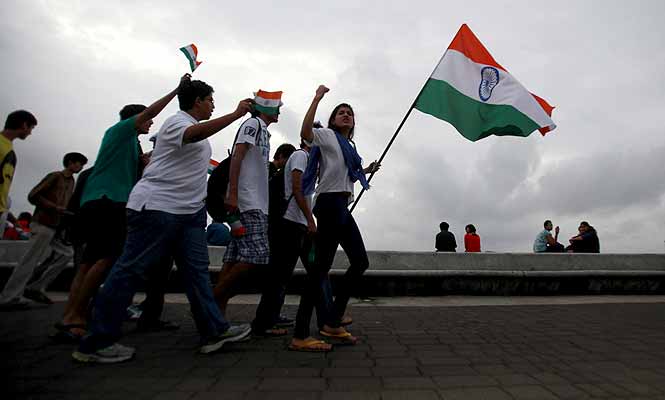
In the vast and varied political landscape of India, a significant shift is underway as young politicians step into the limelight, advocating for progressive changes and shaping the discourse of a new India. This generational shift in politics is not just about changing faces but also about altering the substance and focus of policy-making.
The Rise of Youth in Indian Politics
Young leaders are increasingly visible in both national and regional politics, bringing with them new ideas and a different perspective on governance. Their approach often contrasts sharply with the traditional methods of their older counterparts, focusing more on innovation, technology, and social issues that resonate deeply with India’s youth, who make up a significant portion of the population.
Impact on Policy and Reform
These young politicians are not just participants but are becoming key drivers in formulating policies that promise to modernize India’s economic and social landscape. Issues such as digital infrastructure, climate change, and renewable energy, which directly impact future generations, are receiving unprecedented attention. For instance, initiatives aimed at boosting digital literacy and ensuring more robust internet infrastructure are being pushed forward by these young leaders, recognizing the critical role of technology in India’s development.
Challenges and Roadblocks
Despite their enthusiasm and innovative approaches, young politicians face numerous challenges. The entrenched political system, dominated by seasoned politicians and traditional politics, often resists change, making it difficult for younger leaders to implement their agendas fully. Moreover, the need for political patronage and alliance-building can dilute their ability to drive change, forcing many to navigate a complex web of political compromise.
The Influence of Social Media
One of the most significant advantages young politicians have is their adeptness with social media and other digital communication platforms. They use these tools not just for campaigning but for governing, engaging directly with citizens, and building support for their policies. This direct line of communication has transformed political engagement, making it more transparent and responsive.
A Look at Success Stories
Examples of young political leaders, such as Aaditya Thackeray in Maharashtra and Tejasvi Surya in Karnataka, illustrate the potential and influence of youthful energy in politics. These leaders have championed a range of issues from environmental conservation to urban development, resonating particularly well with younger demographics and first-time voters.
Conclusion: A Changing Paradigm
The question of whether young politicians are driving the agenda for a new India can increasingly be answered in the affirmative as these leaders carve out significant roles for themselves in both local and national arenas. Their ability to influence and reshape the political discourse is evident, and their continued impact could well define the trajectory of India’s future political and social landscape.
As India continues on its path of rapid development and modernization, the role of these young politicians will be crucial in navigating the challenges that lie ahead, ensuring that the nation not only grows economically but also advances as a more inclusive and equitable society.
Leave a Reply