
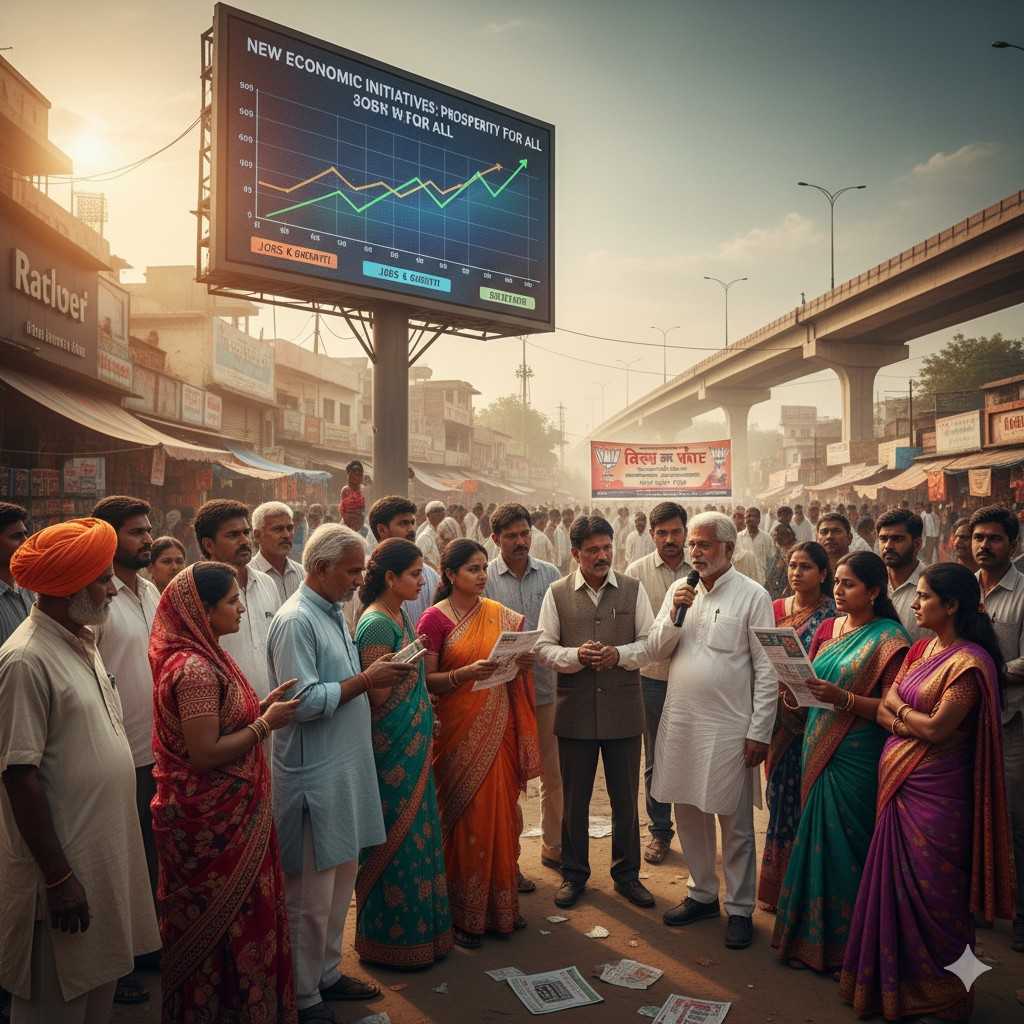
The Nexus Between Economic Governance and Electoral Alignments
Uttar Pradesh, India’s most populous state, serves as a compelling case study in the interplay between economic policymaking and voter behavior. With its expansive electorate and entrenched socio-economic disparities, the state provides a fertile ground for examining how targeted economic initiatives influence political affiliations and public sentiment.
Key Metrics
- GDP Contribution: Accounts for approximately 8% of India’s GDP.
- Unemployment Rate: 4.2%, with notable rural-urban disparities.
- Agricultural Dependency: Over 60% of the workforce is engaged in agriculture or allied activities.
- Poverty Incidence: Nearly 30% of the population lives below the poverty line.
Economic Policies as Instruments of Political Strategy
Economic policymaking in Uttar Pradesh has often been a strategic tool for political consolidation. Recent administrations, particularly under Chief Minister Yogi Adityanath, have emphasized development-driven narratives and welfare-oriented programs to strengthen their voter base. Notable initiatives include:
- PM-Kisan Samman Nidhi: Providing direct cash transfers to small and marginal farmers to address rural economic challenges.
- Infrastructure Development: Large-scale projects such as expressways, defense industrial corridors, and metro expansions signify a push towards modernization and connectivity.
- Skill Development and Local Industry: Initiatives like “One District, One Product” aim to bolster local economies and foster employment generation.
While these measures have garnered support in certain segments, systemic deficiencies such as uneven resource distribution and inadequate job creation remain critical obstacles.
The Primacy of Agriculture in Electoral Behavior
Agriculture remains the economic cornerstone of Uttar Pradesh and exerts significant influence over rural voter preferences. Flagship programs such as the PM-Kisan scheme and the Minimum Support Price (MSP) system have elicited mixed reactions. While offering short-term relief, these initiatives often fail to address structural issues such as high input costs, inadequate irrigation, and inefficient market linkages, perpetuating discontent among the agrarian populace.
Urbanization and Shifting Aspirations
The rapid urbanization of cities like Lucknow, Noida, and Kanpur is reshaping the political landscape. Urban voters increasingly prioritize infrastructural development, efficient public transport, and affordable housing over traditional caste and community considerations. Consequently, political parties are recalibrating their platforms to appeal to this growing demographic, often leveraging smart city initiatives and digital governance reforms.
Youth and the Employment Imperative
With nearly 60% of its population under 30, Uttar Pradesh faces mounting pressure to address youth unemployment. Skill development programs, industrial investments, and entrepreneurship schemes are touted as solutions, yet skepticism persists due to a perceived disconnect between policy announcements and tangible results. This dissonance significantly influences the political inclinations of the state’s youth.
Polarizing Effects of Economic Narratives
Economic policies in Uttar Pradesh often serve dual objectives: addressing developmental priorities while consolidating voter bases through targeted benefits. However, this approach risks deepening regional, caste-based, and communal divides, complicating the broader developmental agenda.
Persistent Challenges in Policy Implementation
Despite ambitious programs, several systemic barriers undermine the efficacy of economic policies, including:
- Inefficient Execution: Procedural delays and bureaucratic inertia frequently hinder timely implementation.
- Uneven Distribution of Benefits: Regional and socio-economic disparities create unequal impacts.
- Intersection with Identity Politics: Economic policies are often entangled with caste and communal narratives, diluting their developmental focus.
Strategic Directions for Effective Governance
To ensure that economic policies align with voter expectations and foster inclusive development, the following strategies are critical:
- Promote Equity: Design interventions that bridge socio-economic gaps and empower marginalized communities.
- Strengthen Governance Mechanisms: Leverage technology and decentralization to enhance accountability and streamline implementation.
- Engage Emerging Demographics: Address the aspirations of urban and youth constituencies through education, innovation, and employment-focused policies.
Conclusion: Economic Governance as a Political Determinant
In Uttar Pradesh, economic policies function as both governance tools and powerful political instruments. As the state navigates its developmental challenges, the ability to balance short-term voter expectations with long-term structural reforms will remain central to shaping electoral outcomes and governance paradigms. By addressing systemic inefficiencies and promoting inclusivity, Uttar Pradesh can position itself as a model of transformative economic and political synergy within India.
Leave a Reply