
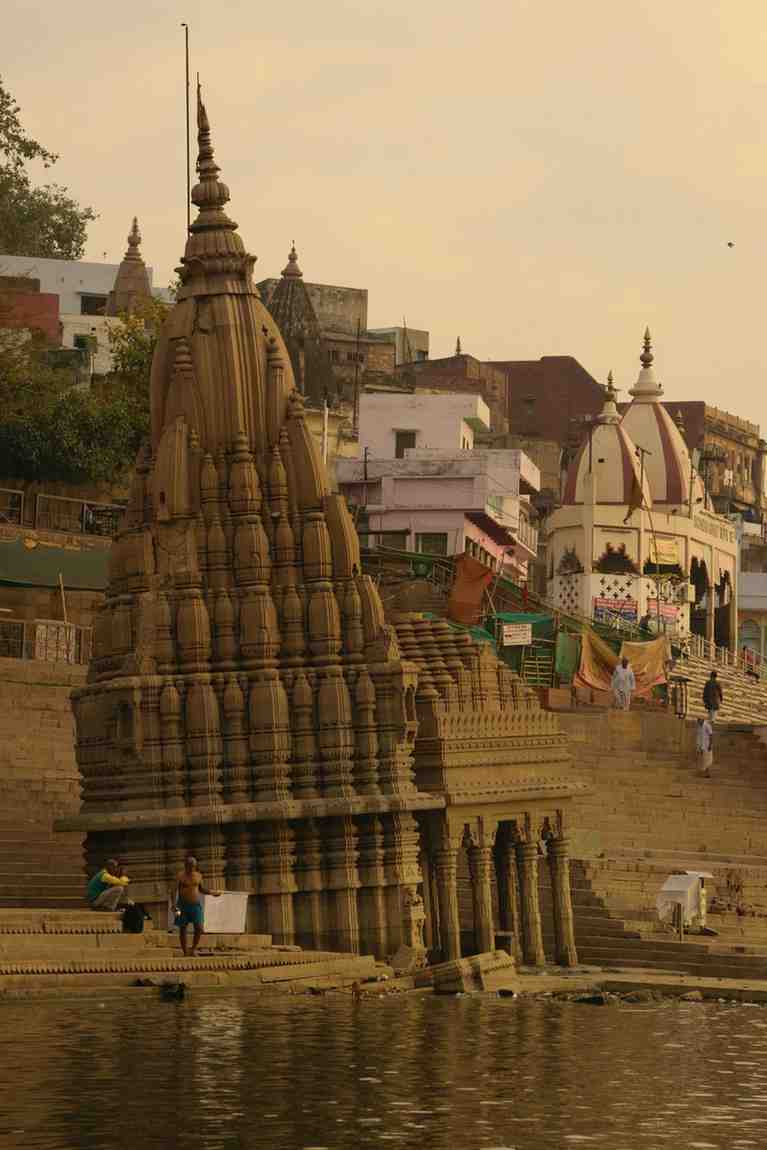
A City of Spirituality Grapples with Challenges of Social Harmony Amid Modernization
Key Metrics:
- Population Diversity: Varanasi is home to over 1.2 million residents, comprising a mix of Hindus (80%), Muslims (19%), and other communities (Census of India, 2011).
- Tourism Impact: The city welcomed over 8 million domestic and international tourists in 2024, adding economic growth but also social pressures (Ministry of Tourism).
- Education Disparities: Literacy rates stand at 77%, but gender disparities persist, with female literacy at 66% compared to male literacy at 88% (Uttar Pradesh Education Department).
- Economic Divide: Nearly 25% of the population lives below the poverty line, relying on informal sectors for livelihood (Varanasi Municipal Corporation).
Varanasi, 2025 – Known as the spiritual heart of India, Varanasi has historically been a melting pot of cultures, religions, and traditions. Its ancient ghats, bustling markets, and sacred rituals reflect centuries of co-existence. However, as modernization transforms the city, challenges to inclusivity and harmony arise. Are Varanasi’s evolving community dynamics fostering inclusivity, or are disparities and tensions growing beneath the surface?
A Legacy of Co-Existence
Varanasi’s cultural fabric has long been defined by its religious and social diversity. The city is home to iconic landmarks like the Kashi Vishwanath Temple and the Gyanvapi Mosque, standing as symbols of shared heritage. Local crafts, such as Banarasi silk weaving, often involve inter-community collaboration, with Hindu and Muslim artisans working side by side to create masterpieces.
According to the Ministry of Textiles, over 40,000 artisans in Varanasi are engaged in the silk industry, many of whom represent marginalized communities. This interdependence has historically fostered economic and social bonds.
Challenges to Inclusivity
- Economic Disparities: A report by the Varanasi Municipal Corporation highlights that 25% of the city’s population lives below the poverty line, with slums in areas like Shivpur and Adampur lacking access to basic amenities.
- Religious Polarization: While Varanasi is celebrated for its pluralism, occasional communal tensions have raised concerns about growing divides. The National Foundation for Communal Harmony flagged the city as one needing proactive measures to maintain harmony.
- Gender Inequalities: The Uttar Pradesh Education Department reports significant gaps in female literacy and employment rates, particularly in conservative and marginalized communities.
- Tourism Pressure: The influx of over 8 million tourists annually brings economic benefits but also exacerbates social and infrastructural pressures, often marginalizing local communities.
Voices from the Community
Residents express a mix of pride in their city’s legacy and concerns about emerging challenges. “Varanasi has always been a city of togetherness, but modernization is changing the dynamics. We need to ensure everyone benefits from the growth,” says Rahul Mishra, a teacher in Assi Ghat.
Artisan Shabana Begum, who weaves Banarasi silk sarees, notes, “Our work depends on collaboration across communities, but rising costs and competition are making it hard to sustain.” Meanwhile, college student Priya Singh highlights gender issues: “Women here still face barriers in education and jobs, which limits their role in shaping the city’s future.”
Government and Institutional Efforts
To address these issues, several initiatives are underway:
- Silk Weavers Welfare Scheme: The Ministry of Textiles has allocated ₹100 crore to support Banarasi silk weavers, providing subsidies for raw materials and modern looms.
- Education for All: Under the Samagra Shiksha Abhiyan, efforts are being made to improve literacy rates, particularly among girls in marginalized communities.
- Community Engagement: The Varanasi Smart City Mission has launched participatory programs to involve residents in urban planning and heritage conservation.
- Harmony Programs: The National Foundation for Communal Harmony conducts interfaith dialogues and cultural festivals to strengthen social bonds.
Recommendations for Strengthening Inclusivity
Experts emphasize the need for a comprehensive approach to ensure Varanasi’s growth is inclusive:
- Economic Empowerment: Provide skill training and microcredit programs for marginalized communities to improve livelihoods.
- Gender Equity: Focus on women’s education and employment through targeted scholarships and workplace inclusion policies.
- Infrastructure Development: Improve living conditions in slums and underserved areas with better access to water, sanitation, and healthcare.
- Promote Interfaith Dialogue: Organize cultural events and forums that celebrate Varanasi’s shared heritage and foster understanding.
- Tourism Management: Ensure that tourism revenue directly benefits local communities through employment and infrastructure projects.
Balancing Tradition and Modernity
Varanasi’s identity as a city of spirituality and harmony is both its strength and its challenge. While economic and social changes bring opportunities, they also test the resilience of its inclusive ethos. The question remains: Can Varanasi navigate these changes while preserving its legacy of unity, or will disparities and divides undermine its rich heritage?
Leave a Reply