
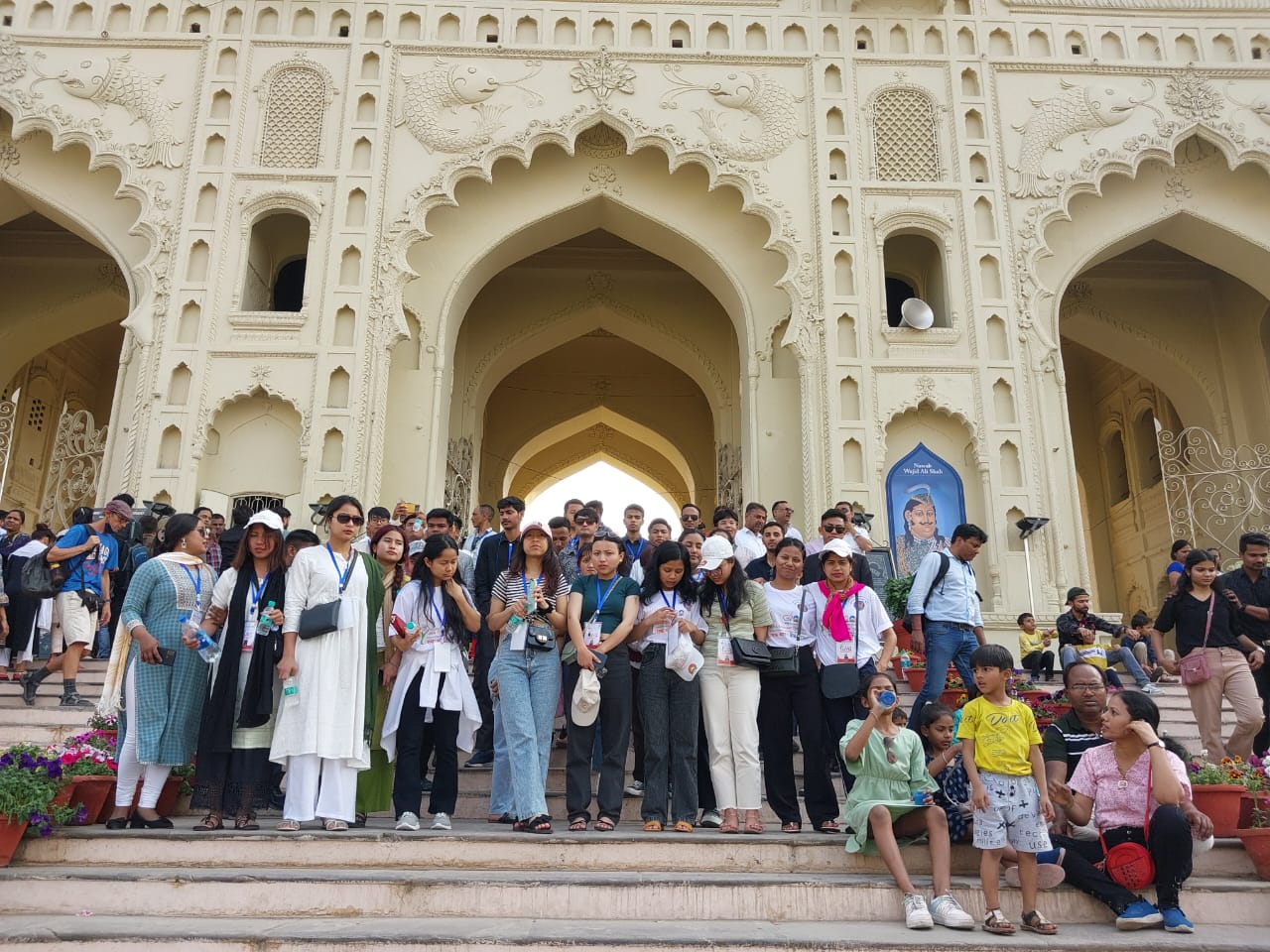
Youth: The Powerhouse of Uttar Pradesh’s Political Future
With nearly a third of Uttar Pradesh’s population aged between 15 and 34, the youth represent a critical demographic in shaping the state’s political narrative. Yet, their engagement in the electoral process remains uneven, often overshadowed by systemic challenges and disconnection from political discourse. Are political campaigns tapping into this vital force effectively, or is their potential being overlooked?
Key Metrics
- Youth Population: Approximately 32% of UP’s population falls within the age group of 15–34 (Census 2011).
- Voter Registration: Recent data indicates that less than 30% of eligible youth are actively registered to vote.
- Employment Concerns: Youth unemployment in Uttar Pradesh remains a critical issue, with estimates ranging around 12% for individuals aged 18–24 (National Sample Survey Office).
- Education Gap: Literacy rates in UP are 77.28% for males and 57.18% for females, reflecting significant challenges in equitable access to education (Census 2011).
Youth Engagement: Campaign Promises and Realities
1. Digital Outreach: A Double-Edged Sword
Political campaigns increasingly rely on digital platforms to connect with the tech-savvy youth. Social media has become a battlefield for ideologies, with parties leveraging memes, hashtags, and influencer endorsements.
- Strengths:
- Platforms like Instagram and Twitter allow campaigns to reach millions instantly.
- Video messages and live sessions create a sense of direct engagement.
- Limitations:
- Rural youth, with limited access to the internet, are often left out of these digital campaigns.
- Online outreach seldom translates into meaningful on-ground mobilization.
2. Skill Development Programs
Several campaigns have focused on addressing unemployment through skill development initiatives.
- Examples:
- Schemes such as Skill India and One District, One Product (ODOP) aim to empower young entrepreneurs and artisans.
- Challenges:
- Many programs remain underfunded or poorly implemented, leading to skepticism among beneficiaries.
3. Youth Representation in Politics
Youth wings of major parties, such as the Bharatiya Janata Yuva Morcha and Samajwadi Yuvjan Sabha, claim to foster leadership among young individuals.
- Reality:
- These organizations often serve as echo chambers for party ideologies rather than platforms for independent youth voices.
Barriers to Effective Youth Engagement
1. Lack of Voter Awareness
Many young individuals remain unaware of the voter registration process or their rights as citizens.
2. Mistrust in Politics
A perception of corruption, nepotism, and a lack of accountability deters youth from engaging actively in political campaigns.
3. Urban-Rural Divide
While urban youth are targeted with digital campaigns, rural youth face challenges in accessing campaign narratives that resonate with their realities.
What Needs to Change?
1. Focus on Localized Issues
Campaigns must prioritize grassroots issues such as quality education, rural employment, and healthcare to create a connection with the youth.
2. Strengthen Youth-Centric Policies
Policies aimed at youth development should include measurable outcomes and long-term visions rather than being limited to election cycles.
3. Inclusive Digital Strategies
Efforts should be made to bridge the digital divide, ensuring campaigns reach both urban and rural youth effectively.
4. Empower Youth Leaders
Parties need to foster genuine leadership opportunities for young individuals, allowing them to influence policies and drive change.
Conclusion: A Generation Waiting to Be Heard
Uttar Pradesh’s youth are not just voters; they are agents of change with the power to redefine the state’s political landscape. However, the effectiveness of political campaigns in engaging them remains mixed.
To truly resonate with this dynamic demographic, campaigns must go beyond rhetoric, addressing real issues and creating pathways for meaningful participation. Only then can UP’s youth take center stage in shaping the state’s future, transforming their potential into progress.
Leave a Reply