
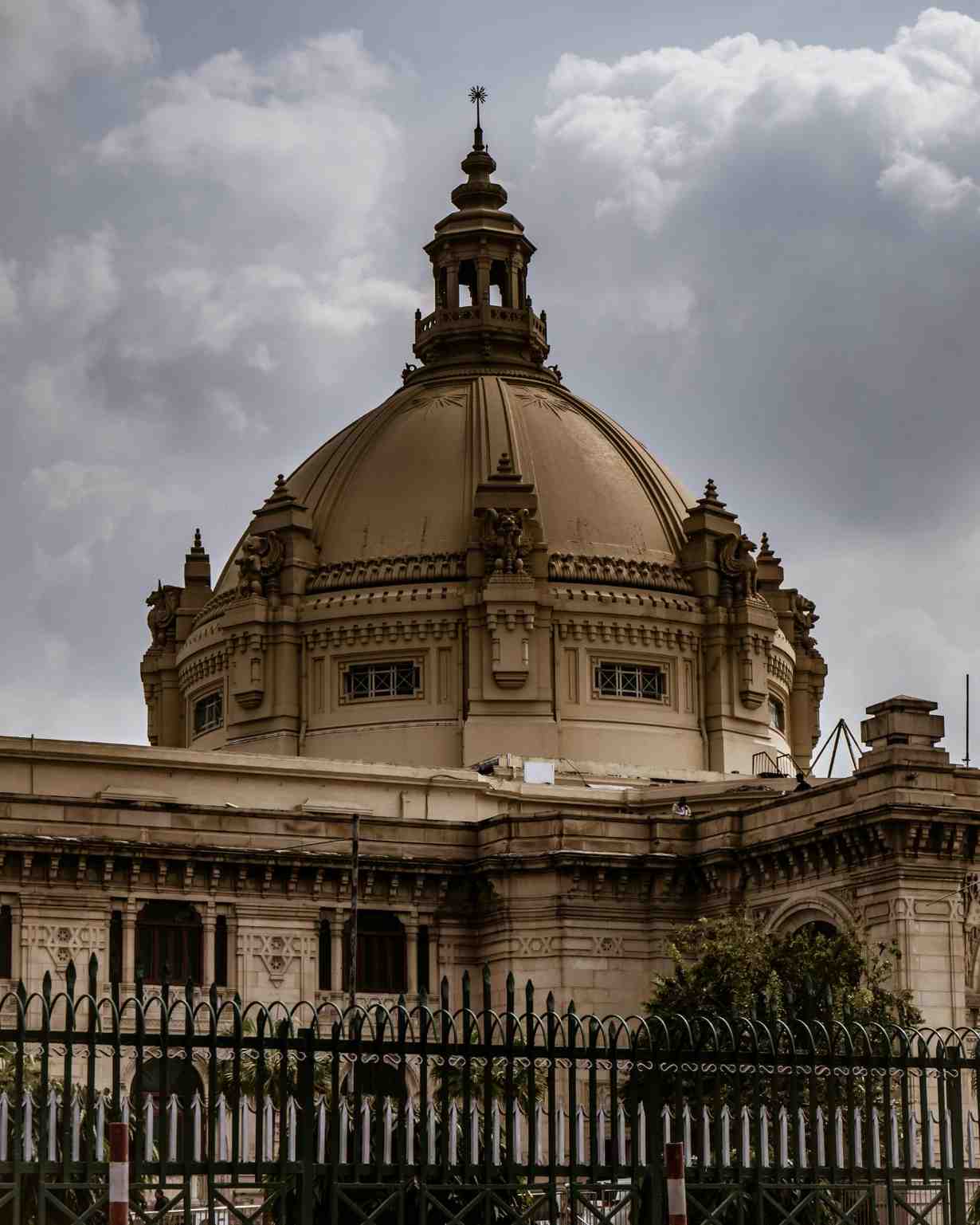
The State at a Critical Juncture
Uttar Pradesh, as India’s most populous state and a microcosm of its socio-political complexities, occupies a central role in the nation’s governance discourse. With evolving demographics, economic transformations, and a charged political environment, the state finds itself at an inflection point. The pressing question remains: Is Uttar Pradesh on the brink of transformative governance, or will entrenched patterns of inefficiency and inequity persist?
Key Metrics
- Population: Exceeding 240 million, constituting 16% of India’s populace.
- Human Development Index Rank: 32nd among India’s states and union territories.
- Youth Representation: Nearly 60% of residents are under 30 years of age.
- Economic Base: Predominantly agrarian, contributing over 20% to the nation’s wheat output.
The Governance Landscape: Strengths and Deficits
Under Chief Minister Yogi Adityanath’s administration, Uttar Pradesh has pursued ambitious infrastructural and administrative initiatives. Signature projects include the construction of expressways, establishment of defense industrial corridors, and the implementation of welfare schemes like the PM-Kisan Samman Nidhi. However, systemic inefficiencies persist, highlighted by:
- Administrative Inertia: Chronic delays in project execution and bureaucratic red tape.
- Youth Unemployment: A growing challenge for a demographically young population.
- Social Inequities: Persistent disparities along caste and community lines, undermining inclusive development.
Catalysts for Change
The demand for reform and modernization in governance stems from multiple factors:
- Youth-Led Aspirations: With over half the population under 30, the emphasis has shifted towards quality education, sustainable job creation, and modern urban infrastructure.
- Rapid Urbanization: Cities such as Lucknow, Kanpur, and Noida are witnessing accelerated growth, necessitating innovative approaches to urban planning and resource management.
- Digital Expectations: Citizens increasingly demand e-governance platforms that enhance transparency, reduce corruption, and streamline service delivery.
Emerging Trends: Indicators of Transformation
Several developments suggest that Uttar Pradesh’s governance structure is evolving, albeit incrementally:
- Technological Integration: Tools such as GIS-based monitoring systems and online grievance redressal platforms are fostering greater accountability and efficiency.
- Economic Diversification Efforts: Policies aimed at attracting investments in manufacturing, information technology, and the defense sector aim to mitigate the state’s over-reliance on agriculture.
- Localized Empowerment: Grassroots initiatives like the Jal Jeevan Mission and Swachh Bharat are bolstering decentralized governance and service delivery.
Persistent Challenges
Despite visible progress, the state continues to grapple with enduring issues that demand urgent attention:
- Poverty and Marginalization: Approximately 30% of the population remains below the poverty line, highlighting the need for inclusive economic policies.
- Healthcare Infrastructure Deficiencies: The COVID-19 pandemic exposed critical gaps in rural and primary healthcare systems.
- Polarized Political Climate: Partisan divisions and identity politics often divert focus from developmental imperatives.
Strategic Imperatives for Future Governance
To achieve meaningful and sustained reform, Uttar Pradesh must prioritize:
- Bridging Inequities: Targeted welfare programs that address socio-economic disparities and uplift marginalized communities.
- Capacity Building: Investing in skill development programs to align the state’s workforce with contemporary market demands.
- Sustainability in Development: Policies that balance rapid economic growth with environmental preservation and resource conservation.
Conclusion: Potential for Transformation
Uttar Pradesh’s governance trajectory encapsulates the tension between continuity and change. Its capacity to embrace systemic innovation, foster inclusive development, and navigate entrenched socio-political challenges will determine whether it emerges as a model of effective governance or remains a case study in unrealized potential. As the state stands at this critical juncture, its decisions will invariably shape the broader contours of India’s democratic and developmental future.
Leave a Reply