
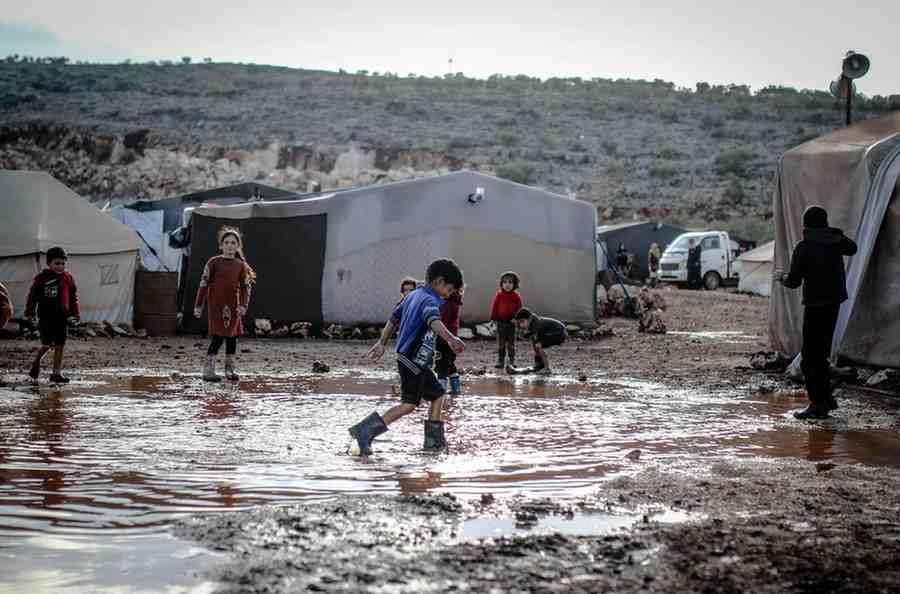
A Looming Crisis
Uttar Pradesh, India’s most populous state, is facing an escalating water crisis that threatens its agriculture, economy, and daily life. Despite being endowed with major rivers like the Ganga, Yamuna, and Ghaghra, the state grapples with acute water scarcity, depleting groundwater reserves, and contamination. As the demand for water continues to rise, the pressing question is: Are we adequately addressing the warning signs, or are we heading toward an irreversible catastrophe?
The Scale of the Crisis
- Groundwater Depletion: Uttar Pradesh extracted 78.7 billion cubic meters of groundwater in 2022, the second-highest in India, with 80% used for irrigation. Over 30% of the state’s blocks are classified as over-exploited or critical.
- Urban Shortages: Cities like Lucknow, Kanpur, and Varanasi face water shortages due to rapid urbanization and unplanned development, leaving several areas reliant on tankers and hand pumps.
- Contamination: Fluoride, arsenic, and iron contamination affect 70 out of 75 districts, impacting over 12 million people.
- Agriculture Dependence: With over 60% of the population dependent on agriculture, water scarcity poses a significant threat to livelihoods and food security.
Key Contributors to the Crisis
- Overextraction
The heavy reliance on groundwater for irrigation and domestic use has led to a sharp decline in water tables. In districts like Meerut, Ghaziabad, and Agra, water levels have dropped by more than 1 meter annually. - Pollution
Industrial effluents, untreated sewage, and agricultural runoff have severely polluted rivers like the Ganga and Yamuna. The Ganga Action Plan, initiated in 1986, has had limited success in curbing pollution levels, which remain alarmingly high. - Inefficient Irrigation
Traditional flood irrigation methods dominate agriculture in Uttar Pradesh, leading to water wastage. Only 38% of the cultivated area uses efficient irrigation systems like drip or sprinkler irrigation. - Urban Growth
Rapid urbanization has outpaced infrastructure development, leading to an unsustainable demand-supply gap in water for cities. In Lucknow, daily water demand exceeds supply by 100 million liters. - Climate Change
Irregular rainfall patterns and rising temperatures are exacerbating the crisis. The state experienced a rainfall deficit of 25% in 2022, further straining water resources.
Warning Signs We Can No Longer Ignore
Health Impact
Contaminated water has led to widespread health issues, including fluorosis, arsenicosis, and waterborne diseases like cholera and diarrhea. The National Green Tribunal has identified Uttar Pradesh as one of the states most vulnerable to water-related health risks.
Economic Consequences
The water crisis directly impacts agriculture, which contributes over 20% to the state’s GDP. Reduced water availability threatens crop yields, particularly for water-intensive crops like rice and sugarcane, jeopardizing food security and rural livelihoods.
Urban Unrest
Water shortages in urban areas have led to protests and conflicts, as seen in Kanpur and Allahabad. The lack of reliable water supply has also discouraged industrial investment in several regions.
Addressing the Crisis: What Can Be Done?
- Strengthening Groundwater Regulation
Implement stricter regulations on groundwater extraction, particularly in over-exploited zones. The Uttar Pradesh Groundwater Management Act, 2019, must be enforced with greater rigor. - Promoting Efficient Irrigation
Encourage farmers to adopt drip and sprinkler irrigation through subsidies and awareness programs. Schemes like Per Drop More Crop under PMKSY (Pradhan Mantri Krishi Sinchayee Yojana) must be scaled up. - Reviving Water Bodies
Initiate large-scale programs to rejuvenate traditional water bodies like ponds and lakes. The Amrit Sarovar Mission, which focuses on creating new water bodies, can be expanded in water-stressed districts. - Combatting Pollution
Enhance the efficiency of sewage treatment plants (STPs) and enforce stricter penalties for industries releasing untreated effluents. The Namami Gange project must accelerate its pace to meet pollution abatement targets. - Rainwater Harvesting
Make rainwater harvesting mandatory in urban and rural areas. This can replenish groundwater and reduce dependency on external water sources. - Public Awareness Campaigns
Educate citizens about water conservation and pollution prevention through targeted campaigns in schools, communities, and industries.
Success Stories: Lessons for Uttar Pradesh
Gujarat’s Model
Gujarat’s decentralized water management system and extensive use of check dams have significantly improved groundwater levels. Uttar Pradesh can adopt similar practices to enhance local water conservation.
Rajasthan’s Traditional Wisdom
Rajasthan’s use of johads (traditional water storage structures) to harvest rainwater has proven effective in drought-prone regions. Reviving traditional water systems in Uttar Pradesh could offer a sustainable solution.
The Path Forward
The water crisis in Uttar Pradesh is not just an environmental issue; it is a social and economic challenge with far-reaching implications. Immediate action is needed to ensure sustainable water management. Collaboration between the government, industries, and citizens will be crucial in addressing this multi-dimensional crisis.
Ignoring the warning signs today will only exacerbate the crisis tomorrow. Uttar Pradesh has the resources and the potential to overcome this challenge, but the window for action is rapidly closing. Whether the state charts a sustainable future or succumbs to scarcity depends on the choices made now.
The question remains: Are we ready to act, or will we continue to overlook the warning signs?
Leave a Reply