
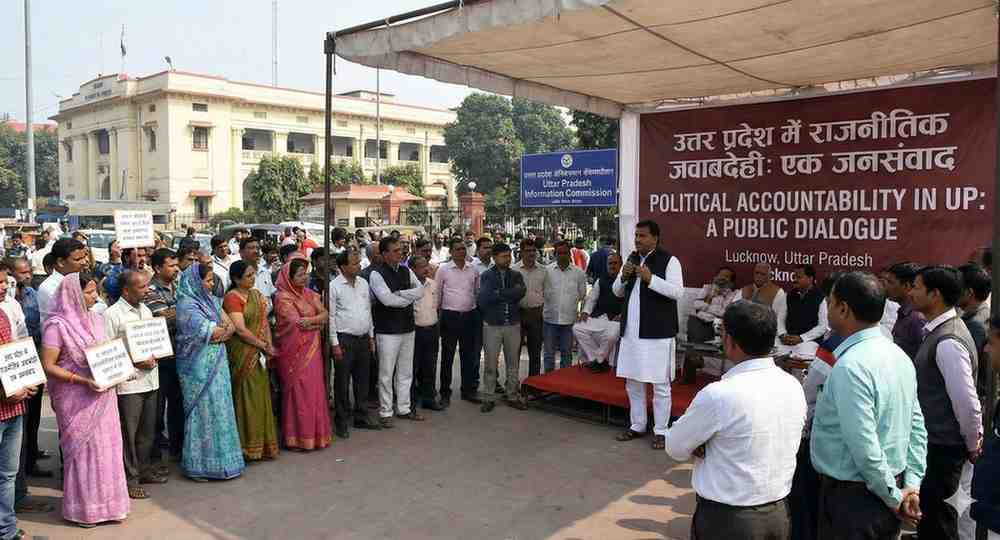
The Question of Accountability in India’s Largest State
Uttar Pradesh, often regarded as the political barometer of India, faces perennial debates over the accountability of its leadership. With a population exceeding 240 million and a diverse electorate, the state serves as a microcosm of the nation’s democratic aspirations and challenges. Are political leaders in UP genuinely answerable to the promises they make, or do electoral gains outweigh governance commitments?
Key Metrics
- Manifesto Implementation Rates: Analysis of 2017 BJP manifesto shows fulfillment of 70% promises by 2022 (PRS Legislative Research).
- Welfare Scheme Utilization: Schemes like Ayushman Bharat and PM-Kisan report coverage gaps, with only 60% of eligible beneficiaries availing benefits (NITI Aayog).
- Electoral Turnout: 59.4% turnout in 2022, reflecting both engagement and voter skepticism.
The Promises Made
Political campaigns in Uttar Pradesh are replete with ambitious promises aimed at addressing the state’s socio-economic challenges. Key commitments include:
- Developmental Infrastructure: Construction of expressways, rail networks, and smart cities.
- Welfare Programs: Expansion of healthcare, education, and employment initiatives.
- Social Justice: Caste-based reservations, minority welfare programs, and women’s safety initiatives.
- Economic Growth: Industrial corridors, MSME incentives, and agricultural reforms.
Accountability in Action
While successive administrations have claimed success in fulfilling electoral promises, gaps in delivery remain evident. Examples include:
- Infrastructure Projects: Landmark projects like the Purvanchal Expressway showcase progress; however, delays and cost overruns highlight inefficiencies.
- Healthcare Access: Ayushman Bharat expanded coverage, but a lack of facilities and medical personnel limits its impact in rural areas.
- Employment Programs: Initiatives such as “One District, One Product” have spurred local entrepreneurship but failed to significantly curb unemployment.
Barriers to Accountability
The challenges to ensuring political accountability in Uttar Pradesh are multifaceted:
- Lack of Transparency: Insufficient public access to government performance data hinders informed citizen engagement.
- Weak Institutional Mechanisms: Limited oversight and regulatory frameworks allow leaders to evade scrutiny.
- Populist Politics: Electoral cycles often prioritize immediate gains over long-term developmental goals.
- Identity-Based Narratives: Caste and communal politics divert attention from governance and policy evaluation.
Citizen’s Role in Accountability
Voter awareness and participation are crucial for enhancing political accountability. Tools such as social audits, citizen charters, and digital platforms for grievance redressal empower citizens to hold leaders accountable. Increased voter engagement, coupled with civil society advocacy, can pressure political parties to prioritize governance over rhetoric.
The Road Ahead
To foster a culture of accountability, Uttar Pradesh must strengthen institutional mechanisms and emphasize performance-based evaluation of governance. Recommendations include:
- Data-Driven Governance: Regular publication of manifesto implementation reports and independent audits.
- Strengthening Civil Society: Encouraging citizen-led initiatives to monitor and evaluate government performance.
- Media Responsibility: Promoting investigative journalism to uncover governance gaps and policy missteps.
- Inclusive Development: Ensuring equitable access to welfare schemes and infrastructure benefits for marginalized communities.
Conclusion: Accountability as the Pillar of Democracy
Political accountability is essential for realizing Uttar Pradesh’s developmental potential. While significant strides have been made, systemic challenges and a culture of impunity hinder comprehensive progress. By fostering transparency, citizen participation, and institutional integrity, the state can ensure its leaders are held accountable to their promises, setting a benchmark for governance across India.
Leave a Reply