
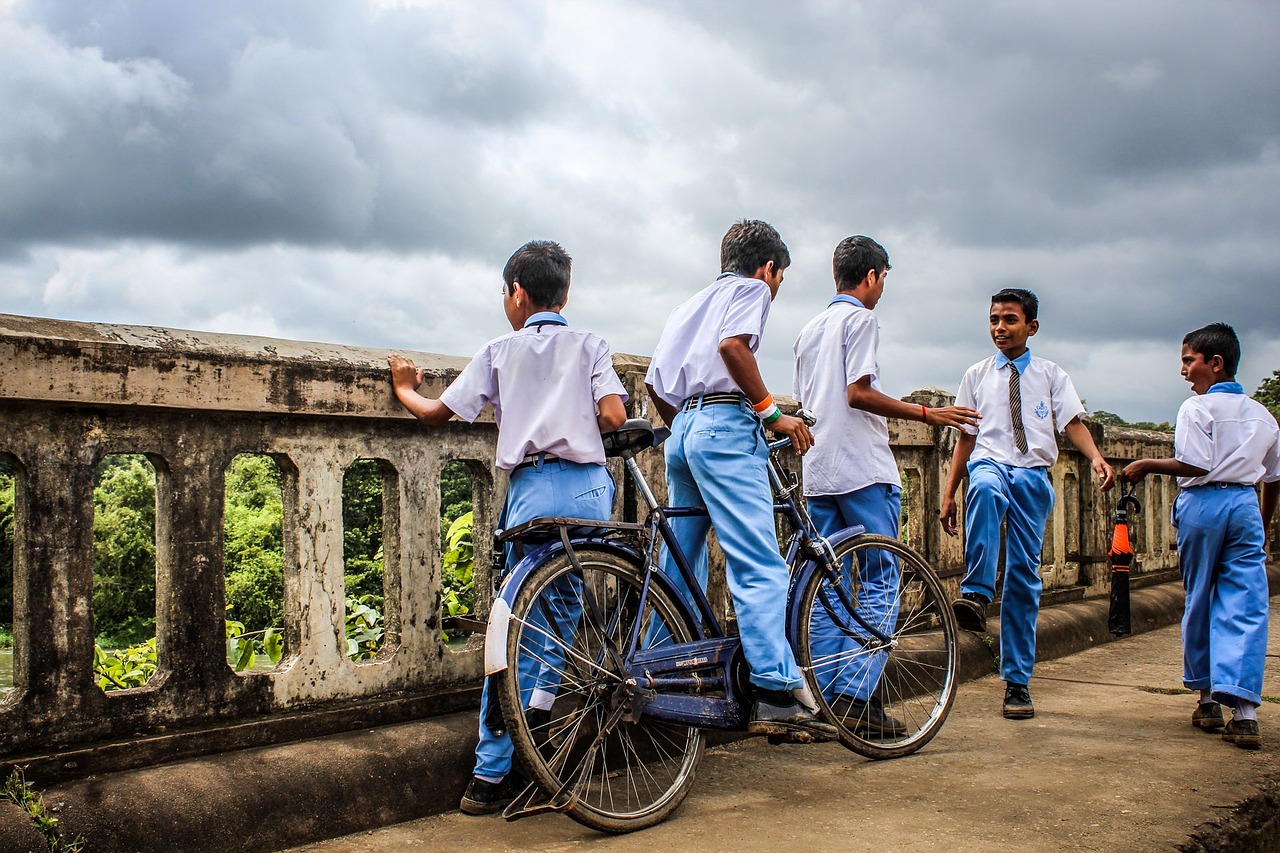
India’s education system has long been dominated by a handful of prestigious institutions, known for their infrastructure, celebrity endorsements, and high fee structures. However, as the demand for education grows and parents become more discerning, emerging schools—those that are relatively new or not part of the high-profile educational conglomerates—are making waves for all the right reasons. These schools are challenging the conventional norms and offering something fresh that the traditional powerhouses often fail to deliver. But what exactly makes these emerging schools stand out in today’s competitive education market?
A Focus on Personalization Over Mass Education
Emerging schools are increasingly moving away from the one-size-fits-all approach that dominates many of India’s well-known institutions. While large schools often focus on standardized tests and rigid curricula designed to churn out high scorers, emerging schools emphasize personalized learning that caters to each student’s strengths, weaknesses, and unique learning styles.
This approach not only focuses on academic excellence but also on holistic development, offering students a chance to explore their individual interests—be it in sports, the arts, or entrepreneurship—without being shackled by the pressure of uniformity. In schools such as The Riverside School in Ahmedabad, teachers know each student by name and take an active role in crafting an educational experience that nurtures both intellectual curiosity and emotional growth. These schools are able to break free from the rigid framework that often stifles creativity in larger institutions, offering a learning environment that promotes independent thinking and self-expression.
The Growing Demand for Affordable Education Without Compromise
In a country where high school fees are often linked with the idea of superior education, many emerging schools are proving that affordable education can still be of high quality. Parents, especially in Tier 2 and Tier 3 cities, are growing increasingly frustrated with the ever-increasing fee structures of elite schools that often promise “world-class” education but don’t always deliver when it comes to actual learning outcomes.
Schools like Shishuvan School in Mumbai and Samhita Academy in Hyderabad are offering high-quality, affordable education that makes no compromises on academic standards. These schools are demonstrating that with the right focus on curriculum, teacher development, and student well-being, a less expensive school can rival the results and opportunities of their more expensive counterparts. These emerging schools cater to middle-class families, who seek access to quality education without the crippling financial burden that comes with the extravagant tuition fees of top-tier institutions.
A Strong Focus on Emotional and Social Well-being
In a nation where the pressure to excel academically often leads to student burnout, emerging schools are standing out by placing a significant focus on mental health and emotional intelligence. Unlike many prestigious schools that focus predominantly on academic achievements, these emerging institutions recognize that a child’s social and emotional development is just as important as their academic success.
Schools like The Aga Khan Academy in Hyderabad focus on nurturing ethical leadership, global citizenship, and emotional well-being. These schools have created mental health support systems that are integrated into the learning experience, with counseling services, emotional intelligence workshops, and stress-relieving activities embedded into the daily routine. This is in stark contrast to the toxic academic culture that often permeates larger institutions, where the constant race for top rankings leaves little space for mental or emotional growth.
Technology Integration: The New Age Classroom
As India’s education system adapts to the digital age, emerging schools are often leading the charge in incorporating technology into their classrooms. While many traditional schools still struggle to integrate effective digital learning tools, newer schools are embracing online learning platforms, virtual labs, and interactive teaching methods. Schools like Ekya Schools in Bangalore have seamlessly blended technology with traditional teaching methods, ensuring that students are not only equipped with the academic knowledge but are also digitally literate and prepared for the future.
These schools have not just adopted technology for the sake of it, but have integrated it thoughtfully to enhance the learning experience. From online assessments to interactive learning modules, technology-enabled education in emerging schools is not just about using computers—it’s about using them to facilitate deeper learning, critical thinking, and collaborative problem solving.
The Power of Inclusivity and Diverse Learning Environments
Another defining feature of emerging schools is their focus on diversity and inclusivity. As India’s educational elite often cater to the affluent, emerging schools are intentionally designing spaces where students from various socio-economic backgrounds can learn together and thrive. This inclusivity not only reflects the realities of India’s demographic makeup but also prepares students for real-world challenges by fostering collaboration across differences.
Lotus World Public School in Lucknow, for example, provides education at a fraction of the cost of elite institutions in the area, and despite being located in a posh locality surrounded by high-fee schools, it offers an education that embraces diversity, providing access to quality education for children from different socio-economic strata. This emphasis on inclusivity creates an enriching, vibrant learning environment that encourages empathy, mutual respect, and collaboration—skills that students will carry with them well beyond the classroom.
The Shift Toward Sustainability and Social Responsibility
As the world grapples with environmental and social challenges, emerging schools are taking proactive steps to ensure that students are not only academically competent but also socially responsible and environmentally aware. Shishuvan School in Mumbai, for example, has pioneered initiatives in environmental sustainability, encouraging students to engage with projects that promote sustainability, waste management, and environmental consciousness.
These schools are instilling a sense of global responsibility in their students, ensuring they grow up as active, conscious citizens who understand the interconnectedness of the world. In a country where education often focuses on producing industry-ready professionals, these schools are equally focused on producing compassionate, responsible individuals who can navigate complex global challenges.
Conclusion: The New Frontier in Indian Education
Emerging schools in India are shaking up the traditional education system by embracing personalized learning, affordability, emotional well-being, technology integration, and social responsibility. As parents become more discerning and selective, these schools are proving that quality education doesn’t have to come with an extravagant price tag or a flashy reputation. They are paving the way for a new era of education in India—one that focuses on the whole child, offering them a balanced, well-rounded education that prepares them for both academic success and real-world challenges. The future of education in India lies not in the old guard, but in these emerging institutions that are redefining what it means to provide quality learning experiences.
Leave a Reply