
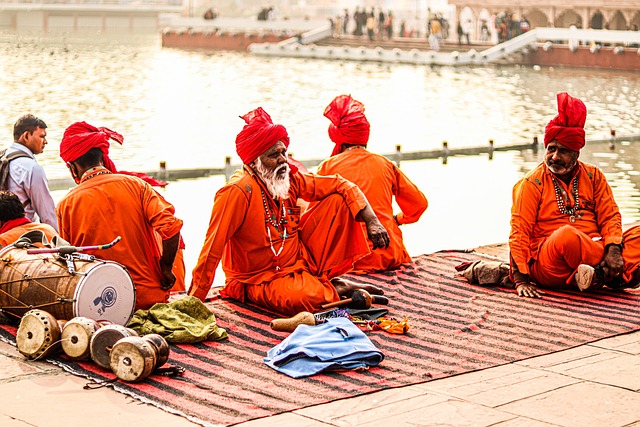
Examining the Influence of Faith and Thought on the State’s Social Fabric
Lucknow – Uttar Pradesh, home to some of India’s most sacred sites and diverse cultural traditions, serves as a living testament to the dynamic relationship between religion and philosophy. From the Vedic teachings of the ancient Hindu scriptures to the egalitarian ideals of the Sufi and Bhakti movements, these traditions have long influenced the state’s social norms, shaping its communities and governance structures.
As the state continues to modernize, the interplay between religion and philosophy remains critical to understanding its evolving societal values.
Key Metrics
- Religious Composition: Hindus constitute 79.73% and Muslims 19.26% of Uttar Pradesh’s population, with smaller populations of Sikhs, Christians, Buddhists, and Jains (Census 2011).
- Sacred Geography: Uttar Pradesh is home to over 25,000 temples, prominent dargahs, and Buddhist sites like Sarnath, which collectively draw millions of pilgrims annually (UP Tourism Department, 2023).
- Syncretic Heritage: Sites like Varanasi, Mathura, and the Dargah Sharif in Bareilly exemplify the blending of religious and philosophical traditions.
Historical Foundations of Religion and Philosophy in Uttar Pradesh
1. Vedic Philosophy and Social Order
The Vedic period laid the groundwork for Uttar Pradesh’s social norms, emphasizing duty (dharma), community harmony, and respect for elders.
- Caste Dynamics: While the varna system sought to organize society, it later evolved into rigid caste hierarchies, deeply influencing social interactions.
- Modern Implications: Government initiatives like caste-based reservations aim to address historical inequities, but challenges of discrimination persist.
2. Bhakti and Sufi Movements: Challenging Orthodoxy
Emerging in response to rigid social structures, the Bhakti and Sufi movements promoted love, equality, and devotion.
- Bhakti Saints: Figures like Kabir and Tulsidas rejected caste-based discrimination and ritualism, advocating for personal spirituality and social inclusivity.
- Sufi Traditions: Shrines like those in Amroha and Bareilly foster communal harmony, emphasizing unity across faiths.
Contemporary Social Norms Influenced by Religion and Philosophy
1. Marriage and Family Structures
- Tradition: Arranged marriages, often within the same caste or community, remain prevalent, reflecting the influence of Vedic norms.
- Modern Shift: Inter-caste and interfaith marriages, though rare, are slowly gaining acceptance, supported by legal frameworks like the Special Marriage Act.
2. Gender Roles
- Historical Perspective: Religious and philosophical texts have traditionally assigned distinct roles to men and women, often placing women in subordinate positions.
- Change in Norms: Women in Uttar Pradesh are increasingly challenging these roles, with education and employment offering pathways to empowerment.
3. Communal Harmony
- Syncretic Practices: Joint celebrations of festivals like Holi, Eid, and Diwali in certain areas demonstrate the enduring influence of Sufi-Bhakti traditions.
- Challenges: Political and social tensions occasionally strain interfaith relationships, underscoring the need for renewed emphasis on shared cultural values.
Government Initiatives Reflecting Religious and Philosophical Influence
- Namami Gange
- Aligning with the spiritual reverence for the Ganga, this initiative addresses environmental concerns while preserving the river’s cultural significance.
- Mission Shakti
- Drawing from philosophical ideals of equality, this program focuses on empowering women across Uttar Pradesh.
- Education Reforms
- Value-based education, inspired by the teachings of saints and scriptures, is being integrated into school curricula to instill moral and ethical values.
Challenges in Balancing Tradition and Modernity
- Caste and Social Inequities
- Despite progress, caste-based discrimination continues to influence social dynamics, particularly in rural areas.
- Polarization
- Political and communal divides occasionally overshadow the syncretic heritage that defines Uttar Pradesh.
- Generational Divide
- Younger generations often question traditional norms, seeking a balance between modern aspirations and cultural expectations.
The Way Forward
- Promoting Inclusivity
- Strengthen grassroots initiatives inspired by Bhakti and Sufi ideals to foster communal harmony and social equity.
- Educational Integration
- Incorporate teachings from diverse religious and philosophical traditions to nurture mutual respect and understanding among youth.
- Empowering Marginalized Communities
- Expand welfare programs addressing caste and gender disparities, ensuring equal opportunities for all.
Conclusion
The interplay of religion and philosophy in Uttar Pradesh has profoundly shaped its social norms, fostering a unique blend of tradition and progress. From the wisdom of the Vedas to the egalitarian ideals of Kabir and Sufi saints, these influences remain deeply embedded in the state’s cultural fabric.
As Uttar Pradesh navigates the complexities of modernity, its ability to draw from this rich heritage while addressing contemporary challenges will determine its path toward a more inclusive and harmonious society.
Leave a Reply