A Generation at a Crossroads
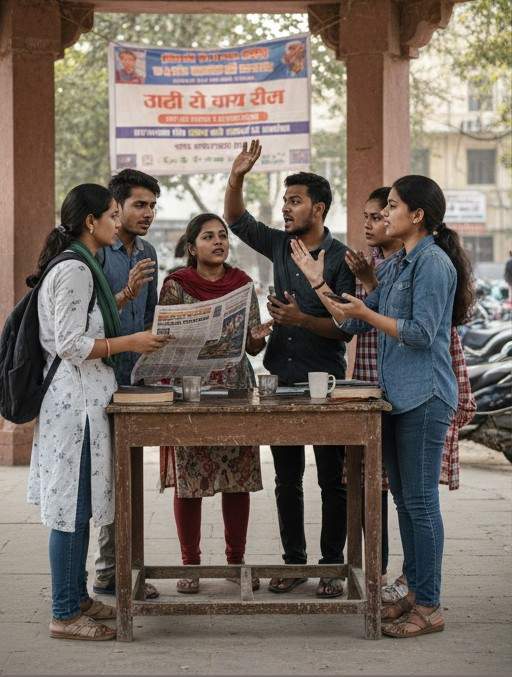
With over 35% of Uttar Pradesh’s population aged between 18 and 35, the youth holds the key to shaping the state’s political future. However, while young voters form the backbone of election outcomes, their engagement in meaningful political discourse remains a contentious issue. Are they driving constructive change, or is their political participation overshadowed by a fascination with the glamour of show politics and the troubling influence of gangster culture?
The Political Landscape for Youth in Uttar Pradesh
Key Metrics (2023-24):
- Youth Voter Base: Over 6 crore young voters registered in Uttar Pradesh, contributing significantly to election results.
- Political Aspirations: A significant portion of youth show interest in politics but often lack avenues for meaningful participation.
- Unemployment Rate: Despite a dip to 3.2%, job scarcity continues to drive frustration and disillusionment among the youth, influencing their political attitudes.
Engagement or Apathy?
1. Glamour of Show Politics
For many young people in Uttar Pradesh, politics is less about ideology or public service and more about spectacle. The influence of high-profile politicians rolling in luxury SUVs, surrounded by large entourages, and commanding massive rallies creates an aspirational image.
- Impact:
- Youth participation often mirrors these theatrics, focusing on optics rather than substance.
- Political allegiance becomes tied to perceived power and charisma rather than policies or governance.
2. Gangster Influence in Politics
The blending of crime and politics in Uttar Pradesh has historically shaped its political landscape. With several gangsters-turned-politicians enjoying influence, this nexus sets a concerning precedent for young aspirants.
- Key Concerns:
- Young individuals are drawn to the allure of quick power and notoriety rather than constructive political engagement.
- Local strongmen and criminal leaders often gain grassroots support, portraying themselves as protectors or benefactors.
3. Limited Platforms for Constructive Discourse
Despite being a politically aware generation, the youth often lack platforms to discuss policies, governance, and societal issues. Political debates in colleges and universities are overshadowed by events and campaigns that prioritize spectacle over substance.
- Key Statistics: Fewer than 20% of colleges in UP host regular political debates or forums, limiting opportunities for intellectual engagement.
4. Social Media: A Double-Edged Sword
Social media platforms have become primary spaces for political expression among youth. While these platforms amplify voices, they also fuel polarization and misinformation.
- Positive Impact:
- Young activists and leaders use platforms to raise awareness about critical issues.
- Grassroots movements like those advocating for women’s safety or environmental concerns gain traction.
- Negative Impact:
- Many youth focus on viral trends, campaign aesthetics, or meme culture rather than substantive discussions.
Cultural and Social Influences
1. The Appeal of Muscle Politics
The perception of strength and invincibility, often associated with criminal or “strongman” figures in UP politics, resonates with sections of the youth. For some, these figures symbolize rebellion against systemic failures or a shortcut to power and prestige.
2. Hero Worship and Dynastic Politics
Youth engagement often gravitates toward the children of political dynasties, who leverage social media and mass rallies to create a larger-than-life image. The spectacle overshadows the need for policy-driven politics.
3. Economic Frustration Driving Apathy
The lack of employment opportunities and rising economic pressures have led many young people to disengage from political discourse. They view politics as a space for the elite, disconnected from their everyday struggles.
Encouraging Constructive Political Engagement
1. Grassroots Political Platforms
- Establish debate clubs, policy forums, and mock parliaments in colleges and universities to engage youth in meaningful political discussions.
- Partner with NGOs to create spaces for marginalized youth to voice their concerns.
2. Curbing Criminal Influence
- Enforce stricter election laws to disqualify candidates with criminal backgrounds, reducing the normalization of gangster culture in politics.
- Promote young leaders with clean records to set new standards for political aspirations.
3. Promoting Policy Awareness
- Launch campaigns that educate youth on governance, public policies, and social justice issues.
- Use digital platforms to create engaging content explaining political processes and encouraging informed participation.
4. Empowering Student Politics
- Revive student unions with a focus on constructive debates and policy advocacy rather than theatrics.
- Provide mentorship programs linking young leaders with experienced policymakers.
5. Bridging the Gap Between Politics and Employment
- Implement skill development programs tied to political leadership roles, encouraging youth to view politics as a career grounded in service and solutions.
Conclusion: A Generation in Transition
The youth of Uttar Pradesh stand at a pivotal juncture. While many are captivated by the glamour and theatrics of show politics, there is a growing recognition of the need for substance-driven leadership. The challenge lies in channeling their energy and aspirations into constructive political engagement rather than superficial displays of power.
The future of Uttar Pradesh depends on its youth transitioning from passive spectators to active participants in shaping governance. Will they rise to meet this challenge, or will the allure of spectacle continue to overshadow substance? The answer will define the state’s political trajectory in the years to come.
Leave a Reply