
Key highlights
- The National Urban Digital Mission (NUDM) was launched to enable electronic delivery of municipal services and shared digital infrastructure for states/ULBs. Press Information Bureau+1
- UP’s citizen-service portals reflect the push toward online municipal services (payments, local services, and citizen requests). National Government Services Portal
- Money matters: Finance Commission grants to local governments—and performance-linked logic—shape what ULBs prioritise. Press Information Bureau
What citizens can increasingly do online in 2026
Across many cities, the common digital services bucket includes:
- property tax payments,
- water/sewerage bills,
- trade licenses,
- birth/death certificates,
- grievance registration and tracking.
UP’s e-Nagarsewa listing shows the direction: citizen services are being packaged for online access rather than only counter-based workflows. National Government Services Portal
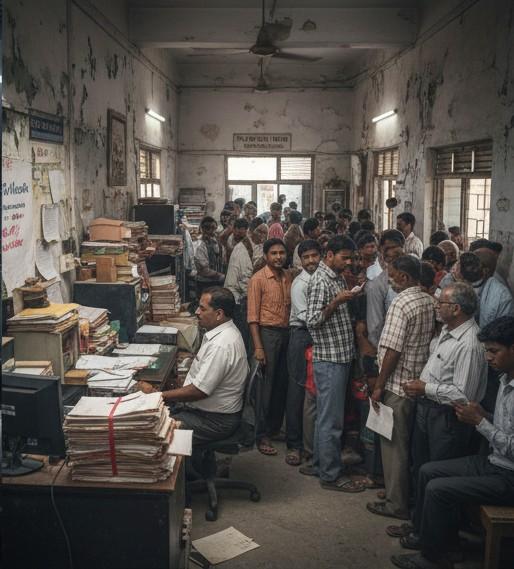
Why the “ground reality” still feels messy
Digital portals don’t automatically fix:
- incorrect property data (wrong owner name, wrong area),
- staff shortages in verification,
- patchy field execution (garbage pickup, drainage desilting),
- weak integration between departments.
NUDM’s stated intent is shared standards and platforms—meaning the long game is interoperability and scalability, not just a website. Press Information Bureau+1
Scenario: your complaint gets “closed” but nothing happened
You file an online complaint about a broken sewer line. The ticket shows “resolved.” On the street, nothing changes. In 2026, the citizen who gets results is the one who:
- saves screenshots, ticket numbers, and dates,
- reopens/escalates in writing,
- and uses the trail as leverage (ward office, senior officers, public grievance systems).
Small questions people search
If I pay online, is it legally valid?
Yes—keep the receipt and reference number. The receipt trail is your shield in future disputes.
Why do portals work for payments but not for service delivery?
Because payments are centrally trackable. Field work needs staff, material, and accountability—software can expose failure, but cannot replace capacity.
Leave a Reply