
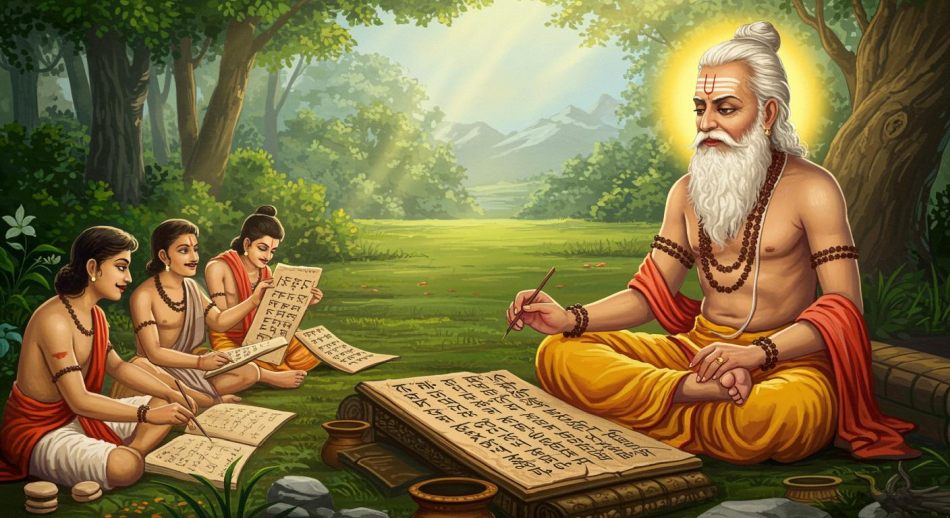
The Vedas and Shastras are two pillars of Hindu philosophy, offering profound insights into spirituality, ethics, and life’s purpose. While the Vedas are considered Shruti (divinely revealed and eternal), the Shastras are categorized as Smriti (human interpretations and applications). Together, they create a holistic framework for understanding the cosmos, human behavior, and the pursuit of knowledge.
This article explores the differences and complementary roles of the Vedas and Shastras, highlighting their contributions to Hindu thought.
Vedas: The Eternal Wisdom
The Vedas are the oldest sacred texts of Hinduism, encompassing hymns, rituals, and philosophical teachings.
Key Features of the Vedas
- Cosmic Principles: The Vedas introduce universal concepts like Brahman (ultimate reality) and Rita (cosmic order).
- Rituals and Worship: Texts like the Rigveda focus on rituals and hymns to connect humanity with divine forces.
- Philosophical Depth: The Upanishads, part of the Vedas, delve into existential questions such as the nature of self (Atman) and liberation (Moksha).
Significance
The Vedas serve as a spiritual and metaphysical guide, offering timeless truths that transcend cultural and temporal boundaries.
Shastras: Practical Wisdom for Life
The Shastras adapt the principles of the Vedas into practical guidelines for governance, ethics, and cultural expression.
Key Features of the Shastras
- Moral Frameworks: The Dharma Shastras, such as the Manusmriti, outline ethical duties and social responsibilities.
- Statecraft and Governance: The Arthashastra emphasizes practical strategies for economic and political stability.
- Art and Aesthetics: The Natyashastra integrates philosophy into performing arts, blending spirituality with creativity.
Significance
The Shastras provide actionable wisdom, ensuring that philosophical ideals are relevant and applicable in everyday life.
Comparative Overview: Vedas vs. Shastras
| Aspect | Vedas | Shastras |
| Nature | Eternal and divinely revealed (Shruti). | Human interpretations and adaptations (Smriti). |
| Focus | Metaphysical truths and cosmic principles. | Practical ethics, governance, and culture. |
| Purpose | Spiritual and philosophical inquiry. | Application of Vedic ideals in daily life. |
| Examples | Rigveda, Upanishads. | Manusmriti, Arthashastra, Natyashastra. |
Conclusion: Unified Foundations of Philosophy
The Vedas and Shastras form the dual foundation of Hindu philosophy, blending eternal truths with practical wisdom. While the Vedas inspire spiritual growth and metaphysical inquiry, the Shastras ground these principles in actionable frameworks for personal and societal well-being.
Together, they offer a timeless guide to navigating life’s complexities, ensuring a balanced approach to faith, reason, and ethical living. By appreciating their distinct yet complementary roles, we can unlock the full depth of Hindu philosophy and its relevance in the modern world.
Leave a Reply