
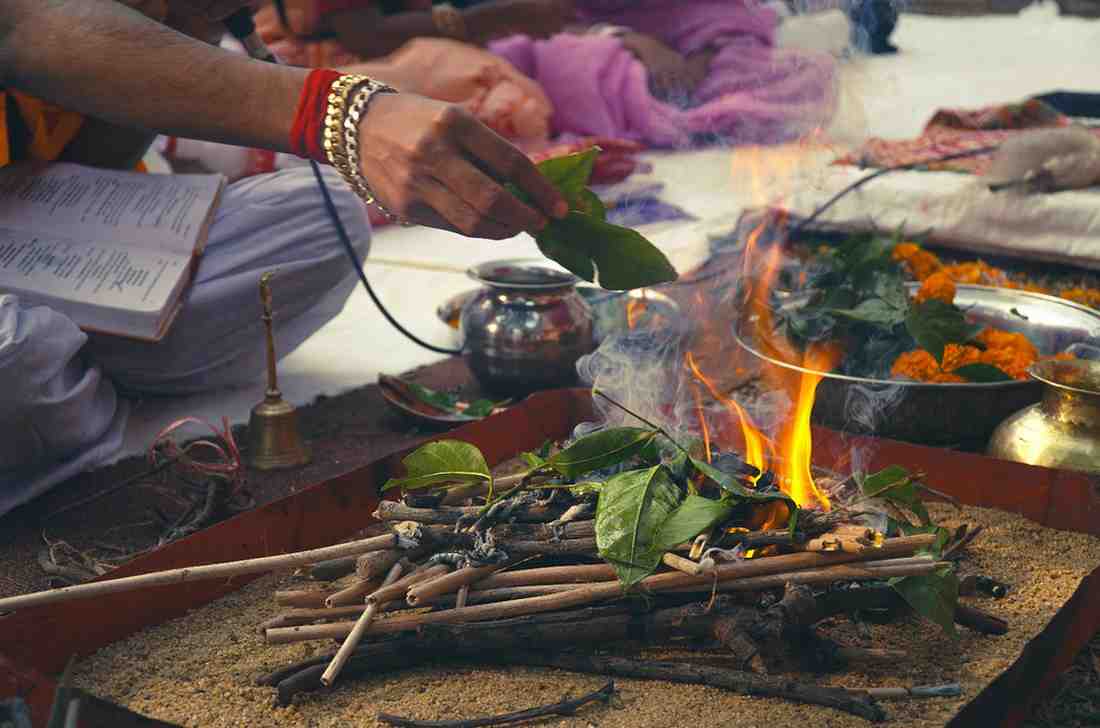
Rituals have been at the heart of religious traditions across cultures and civilizations, serving as symbolic acts that connect individuals to the divine, community, and cosmic principles. In Hinduism, rituals go beyond mere tradition; they embody deep philosophical significance, bridging faith, action, and universal truths. This article explores the role of ritual in religion and delves into its philosophical implications, showcasing its relevance in modern spiritual and ethical life.
What Are Religious Rituals?
Religious rituals are structured actions performed with symbolic intent, often prescribed by sacred texts. In Hinduism, they range from personal practices like puja (worship) to communal ceremonies like yajnas (sacrifices).
Key Purposes of Religious Rituals
- Spiritual Connection: Rituals create a direct link between the devotee and the divine.
- Moral Discipline: By adhering to rituals, individuals cultivate discipline, devotion, and ethical behavior.
- Cultural Continuity: Rituals preserve traditions, fostering a sense of identity and belonging.
- Cosmic Balance: In Hinduism, rituals are seen as aligning human actions with Rita (cosmic order).
The Philosophical Significance of Rituals
While rituals may appear as external acts, their philosophical depth lies in their ability to reflect and reinforce universal truths.
1. Symbolism of Cosmic Principles
In Hinduism, rituals often symbolize the interconnectedness of the self (Atman) with the universe (Brahman).
- Example: Lighting a lamp during puja represents the dispelling of ignorance with the light of knowledge.
- Philosophical Insight: This act underscores the pursuit of enlightenment and self-realization.
2. Rituals as Paths to Liberation
Rituals are not just acts of devotion but also steps on the path to Moksha (liberation).
- Example: The Agnihotra (fire sacrifice) signifies the transformation of material desires into spiritual aspirations.
- Philosophical Insight: By engaging in rituals, individuals internalize spiritual lessons about detachment and selflessness.
3. Karma and Dharma in Action
Rituals embody the principles of Karma (action) and Dharma (righteous duty).
- Example: Observing fasting rituals during festivals like Ekadashi reflects discipline and adherence to Dharma.
- Philosophical Insight: Such practices remind individuals of the moral consequences of their actions and the importance of aligning with universal ethics.
Rituals: Bridging Faith and Reason
Religious rituals seamlessly integrate faith and philosophy:
- Faith-Based Role: Rituals inspire devotion and trust in the divine.
- Philosophical Role: They encourage reflection on deeper truths, transforming external acts into internal growth.
Example of Synergy
The chanting of mantras during meditation is both a ritual and a philosophical practice. While faith drives the act of chanting, the vibrations of the mantra symbolize the interconnectedness of sound and consciousness, a core Vedic concept.
Modern Relevance of Rituals
In contemporary times, the role of rituals extends beyond religious boundaries, influencing personal and societal well-being:
1. Mindfulness and Meditation
Ritualistic practices like mantra chanting and yoga enhance mindfulness, promoting mental and emotional balance.
2. Ethical Living
Rituals remind individuals of their responsibilities toward others and the environment, fostering a culture of ethical action.
3. Cultural Identity
In a globalized world, rituals help preserve cultural heritage, ensuring continuity and belonging.
FAQs
What Is the Role of Rituals in Religion?
Rituals serve as symbolic acts that connect individuals to the divine, foster moral discipline, and align human actions with cosmic principles.
How Do Rituals Reflect Philosophy?
Rituals embody philosophical concepts such as Karma, Dharma, and Moksha, transforming external acts into internal spiritual growth.
Can Rituals Be Relevant in Modern Times?
Yes, rituals enhance mindfulness, ethical living, and cultural identity, making them relevant in contemporary spiritual and personal practices.
What Are Examples of Hindu Rituals with Philosophical Significance?
- Lighting a lamp during puja symbolizes knowledge dispelling ignorance.
- Yajnas (fire sacrifices) represent transformation and detachment.
- Chanting mantras reflects the interconnectedness of sound and consciousness.
Conclusion: Rituals as Gateways to Spiritual Depth
Religious rituals are far more than symbolic traditions; they are profound acts that embody the union of faith and philosophy. By performing rituals with awareness, individuals not only connect with the divine but also engage in a process of self-discovery and spiritual evolution.
In modern times, understanding the philosophical significance of rituals can transform them into meaningful practices that enhance personal growth, ethical living, and cultural continuity. The role of rituals, rooted in ancient wisdom, continues to inspire a balanced approach to spirituality, blending the devotion of religion with the introspection of philosophy.
Leave a Reply