
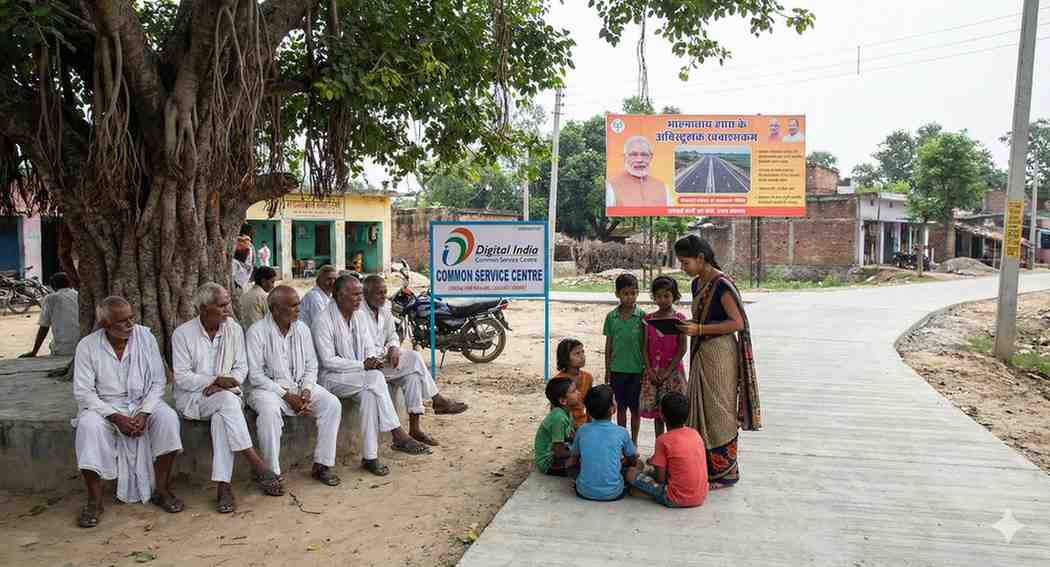
A Society in Flux: Progress or Polarization?
Uttar Pradesh, a state deeply rooted in its cultural and historical identity, is undergoing a period of significant transformation. From large-scale infrastructure projects to social welfare schemes, these developments aim to modernize the state and improve living standards. However, as progress unfolds, questions arise about its impact on the social fabric. Are these changes fostering unity and empowerment, or are they amplifying existing divisions and tensions?
Key Developments in Uttar Pradesh
1. Infrastructure Expansion
- The state has seen the construction of 1,800+ km of expressways, including the Purvanchal Expressway and the ongoing Ganga Expressway, aimed at connecting remote areas to urban centers.
- Projects like the Jewar International Airport and metro expansions in Lucknow and Kanpur promise to transform urban mobility and attract investment.
2. Welfare and Empowerment Schemes
- Initiatives like Mission Shakti, aimed at women’s safety and empowerment, and free ration distribution under the Pradhan Mantri Garib Kalyan Anna Yojana have provided support to marginalized communities.
- The One District One Product (ODOP) program has revitalized traditional crafts, creating livelihoods and preserving cultural heritage.
3. Digital and Educational Reforms
- The Digi Shakti Mission and school infrastructure upgrades under Operation Kayakalp are bridging gaps in digital literacy and access to quality education.
4. Religious and Cultural Projects
- The Ayodhya Ram Mandir construction and development of pilgrimage centers have boosted religious tourism, while events like the Deepotsav in Ayodhya have drawn international attention.
Positive Impacts on UP’s Social Fabric
1. Bridging Regional Inequalities
Improved infrastructure has connected previously isolated regions, fostering economic and social integration.
- Example: Expressways have reduced travel time and opened up opportunities for rural communities, enabling access to urban markets and jobs.
2. Women’s Empowerment
Schemes like Mission Shakti have empowered women by providing safety measures, financial incentives, and vocational training, encouraging greater participation in public and economic spheres.
3. Cultural Revitalization
Programs celebrating Uttar Pradesh’s heritage, such as ODOP and religious tourism projects, have reinforced a sense of pride and identity among citizens.
4. Inclusion Through Welfare
Subsidized food, housing, and healthcare initiatives have uplifted economically weaker sections, fostering social cohesion and reducing disparities.
Emerging Challenges and Tensions
1. Rising Polarization
- Religious and caste-based divides remain significant, and recent developments have sometimes exacerbated tensions.
- Projects like the Ayodhya Ram Mandir and politically charged events have drawn criticism for sidelining minority voices, deepening communal rifts.
2. Urban-Rural Disparities
- While urban centers benefit from industrial growth and digital reforms, rural areas often lag in implementation, reinforcing existing divides.
- Example: Access to digital tools and resources under the Digi Shakti Mission is significantly lower in rural areas compared to urban hubs.
3. Displacement and Resentment
- Large infrastructure projects, while transformative, have displaced communities, especially farmers and laborers, without adequate compensation or rehabilitation.
- Example: Protests against land acquisition for the Ganga Expressway and Jewar Airport reflect unresolved grievances among affected groups.
4. Social Inertia
- Despite welfare initiatives, deep-seated patriarchal norms and caste hierarchies persist, limiting the impact of empowerment schemes.
5. Environmental Strains
- Rapid urbanization and industrialization have led to deforestation, water shortages, and pollution, disproportionately affecting vulnerable communities that rely on natural resources for their livelihoods.
Navigating Change: Recommendations for a Balanced Approach
1. Promoting Inclusive Development
- Ensure that large-scale projects involve stakeholder consultations, particularly with marginalized and affected communities.
- Balance urban and rural investments to create equitable growth opportunities.
2. Strengthening Social Welfare Programs
- Expand outreach and access to welfare schemes, especially in underserved rural areas.
- Integrate skill development and employment opportunities with welfare programs to promote long-term self-reliance.
3. Fostering Interfaith and Intercaste Harmony
- Promote cultural programs and dialogue platforms that celebrate diversity and encourage community participation.
- Strengthen laws and enforcement against hate speech and communal violence.
4. Prioritizing Environmental Sustainability
- Include environmental safeguards in infrastructure projects to minimize displacement and degradation.
- Invest in renewable energy and sustainable urban planning to mitigate ecological impacts.
5. Enhancing Grassroots Participation
- Empower local governance bodies to implement and monitor schemes, ensuring accountability and addressing region-specific needs.
- Encourage citizen participation in decision-making processes to build trust and ownership.
Conclusion: A Delicate Balance
The recent developments in Uttar Pradesh are undeniably reshaping its social fabric. While they hold the promise of progress and inclusivity, they also risk amplifying existing inequalities and tensions.
The state’s future hinges on its ability to balance development with equity, inclusivity, and environmental stewardship. Will these changes unite Uttar Pradesh’s diverse communities, or will they deepen divides in an already complex social landscape? The answer will define the state’s trajectory for generations to come.
Leave a Reply