
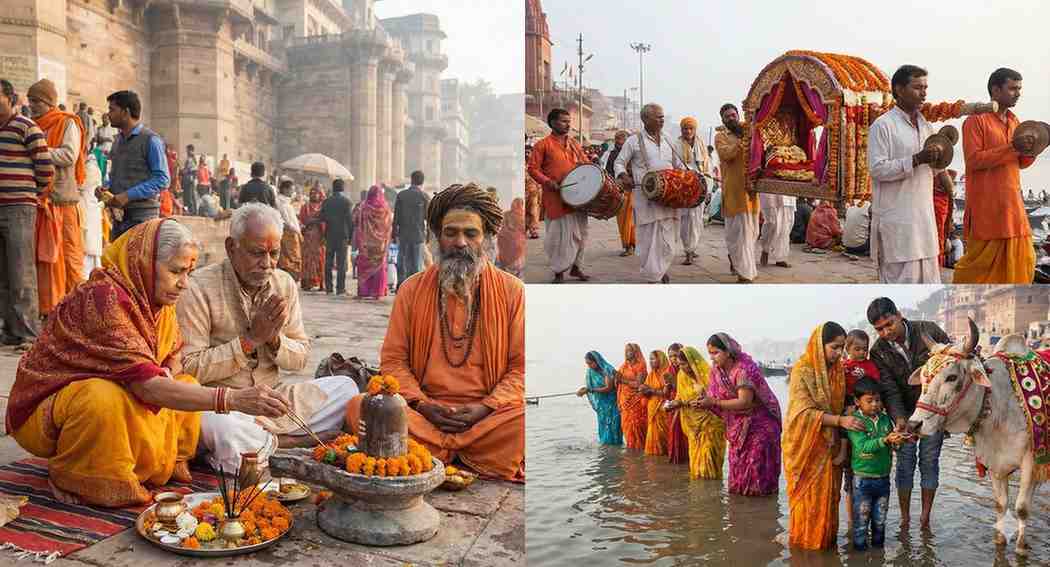
“A Cultural Tapestry Under Strain: Examining Socio-Economic and Political Impacts on Hindu Diversity”
Hinduism, often described as a way of life rather than a singular religion, is characterized by its astonishing diversity. It encompasses a vast range of practices, rituals, philosophies, and beliefs, shaped over millennia by regional, cultural, and historical influences. From the simplicity of tribal rituals to the grandeur of temple festivals, this diversity is a hallmark of Hindu identity. Yet, in contemporary times, socio-economic disparities and political agendas raise an important question: Are we truly celebrating this diversity, or is it being overshadowed by homogenization and selective representation?
The Socio-Economic Landscape and Its Impact
- Economic Disparities in Religious Practices:
- Hindu practices often vary based on socio-economic status. For instance, while wealthier communities may organize elaborate rituals and temple festivals, marginalized groups often maintain simpler, community-based traditions.
- Economic reforms like subsidies for temple management and pilgrimage schemes tend to benefit large, well-known institutions while overlooking smaller, local shrines and grassroots traditions. This inequity risks marginalizing the rich, localized practices that contribute to Hinduism’s pluralistic identity.
- Urbanization and Loss of Local Traditions:
- Rapid urbanization has led to the erosion of rural and tribal Hindu practices, as younger generations migrate to cities and adopt more standardized rituals. This trend, driven by socio-economic necessity, threatens to dilute the unique regional flavors of Hindu worship.
Political Agendas and Religious Narratives
- Homogenization of Practices:
- Political narratives often promote a unified version of Hinduism, focusing on certain texts, festivals, or deities while neglecting others. For example, pan-Indian festivals like Diwali and Navratri receive significant attention, while regionally specific celebrations such as Onam, Bihu, or Pochisankar are sidelined in national discourse.
- This homogenization, while fostering unity, risks diminishing the pluralistic ethos that has allowed Hinduism to thrive in diverse socio-cultural contexts.
- Instrumentalization of Religion:
- Political agendas frequently leverage Hindu symbols and rituals for electoral gains. The construction of grand temples, publicized pilgrimages, or selective promotion of certain festivals are often used to consolidate votes, sometimes at the cost of ignoring less visible but equally significant practices.
- Caste and Identity Politics:
- The intersection of caste and Hindu practices remains a contentious issue. While the Vedic spirit of inclusivity emphasizes universal spiritual access, caste-based restrictions in rituals and temple entry persist in many regions. Efforts to reform these practices, though significant, face resistance from entrenched interests, highlighting the need for deeper socio-political engagement.
Reforms and Pathways Forward
- Recognizing Grassroots Traditions:
- Policies and cultural programs must prioritize the preservation of local and tribal practices. Government initiatives could focus on documenting endangered rituals and supporting community-driven festivals to ensure their survival.
- Equitable Resource Allocation:
- Funding and subsidies should be distributed across a wider spectrum of Hindu institutions, ensuring that small temples and local traditions receive the support they need to thrive alongside larger, nationally prominent institutions.
- Fostering Inclusivity:
- Addressing caste and gender disparities in religious practices is essential for celebrating Hinduism’s diversity. Social reform movements and legal measures must work hand-in-hand to create an inclusive environment where all individuals can participate freely in religious activities.
- Resisting Politicization:
- Encouraging civil society and grassroots organizations to lead discussions on Hindu diversity can counterbalance the tendency of political agendas to instrumentalize religion. Public discourse must celebrate the full spectrum of practices rather than focusing on selective narratives.
Conclusion
The diversity of Hindu practices is not just a cultural treasure but a testament to the religion’s resilience and adaptability. However, socio-economic inequalities and political homogenization pose significant threats to this pluralism. Celebrating Hindu diversity requires conscious efforts to preserve local traditions, address inequities, and resist reductive narratives that undermine the richness of this ancient way of life.
In recognizing and embracing the full breadth of Hindu practices, we honor not just the past but also ensure a vibrant, inclusive future for one of the world’s most diverse spiritual traditions.
Leave a Reply