
Introduction: Blurring the Lines Between Real and Virtual
The Indian film industry, with its rich tradition of larger-than-life storytelling, is entering a new era marked by the rise of virtual actors powered by Artificial Intelligence (AI). This innovative technology is reshaping the landscape of Bollywood, offering both exciting opportunities and unique challenges as filmmakers begin to integrate virtual actors into their narratives.
The Advent of Virtual Performers
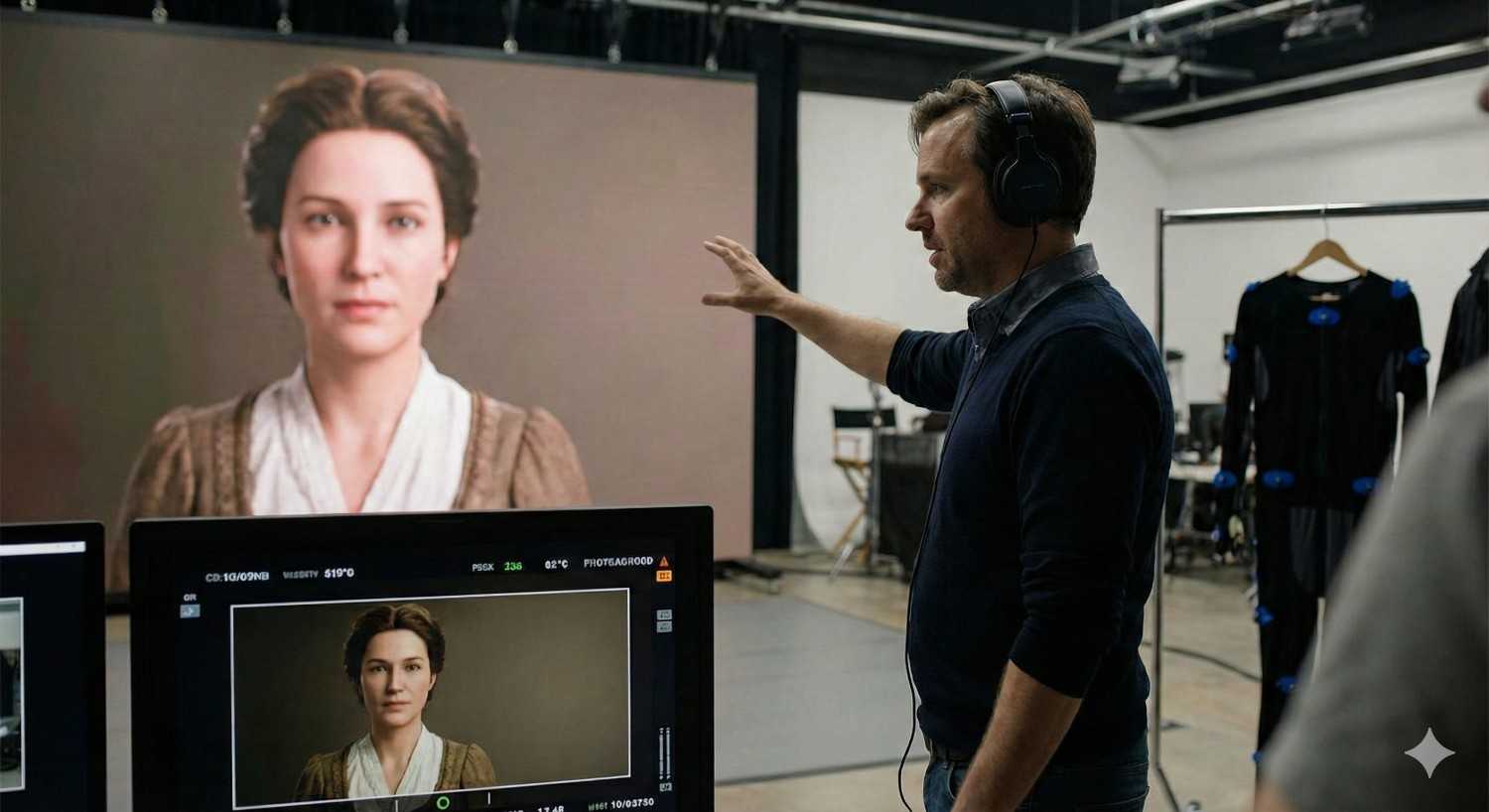
Virtual actors are digital personas created using AI technologies that can perform tasks traditionally handled by human actors. These characters are not just animated figures; they are powered by sophisticated algorithms that allow them to express emotions, interact with real-world environments, and even improvise responses in real-time.
Revolutionizing Casting and Production
Impact on Casting: Virtual actors can be tailored to fit any role perfectly, offering filmmakers the flexibility to cast idealized characters that might be difficult to realize with human actors. This can be particularly useful in fantasy or sci-fi genres where characters might have non-human traits.
Production Efficiency: AI-generated characters require no rest, can work under any conditions, and do not demand salaries, fundamentally changing the economics of film production. They can be used in risky action sequences or to maintain continuity when a human actor might not be available.
Statistics:
- Cost Reduction: Early estimates suggest that using virtual actors can reduce the costs associated with cast and crew by up to 40% on certain projects.
- Increased Productivity: Virtual actors can speed up the production process by eliminating the need for multiple takes due to fatigue or error, potentially shortening production schedules by 25%.
Cultural Impact and Audience Reception
While the technology promises efficiency, the use of virtual actors raises significant cultural questions within Bollywood. Films are a vital part of India’s cultural fabric, and actors are revered not just as performers but as icons. The introduction of virtual actors might alter this dynamic, impacting how audiences relate to characters and stories.
Ethical Considerations and Authenticity
The rise of virtual actors also brings up ethical considerations:
- Job Displacement: There is concern about the potential displacement of human actors, particularly those in supporting roles.
- Authenticity: Can a virtual actor truly replace the nuanced performance of a human, and will audiences connect with a character that doesn’t exist off-screen?
The Future: Coexistence of Human and Virtual Talent
Looking ahead, the most likely scenario is not the replacement of human actors but their coexistence with virtual counterparts. Virtual actors can be used for specific roles that are either difficult to cast or require characteristics beyond human capabilities. Meanwhile, human actors will continue to dominate roles that require deep emotional connections, leveraging AI to enhance their performances, such as de-aging or language dubbing.
Conclusion: Navigating the New Normal
As Bollywood navigates this shift, filmmakers must balance technological possibilities with storytelling integrity. While virtual actors offer exciting new avenues in film production, maintaining a connection with the audience through genuine storytelling will remain paramount. The challenge will be to integrate AI actors in a way that complements human performances and enriches the cinematic experience, ensuring that films continue to resonate on a personal and cultural level.
Leave a Reply