
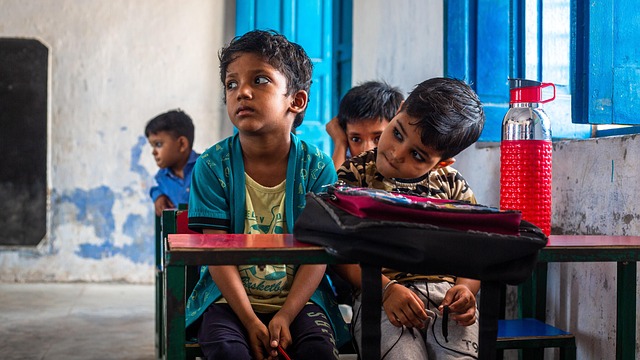
In the bustling hallways and crowded classrooms of Indian schools, there’s a growing concern that may not be visible at first glance: the mental health of students. While academic pressures have long been a hallmark of the Indian education system, the focus on students’ psychological well-being is often overshadowed by the race for grades and test scores. This leads to an important question: Are Indian schools adequately addressing the mental health needs of their students?
The importance of mental health in educational settings cannot be overstated. Students face a multitude of stresses, from the pressure to perform academically to navigating social relationships and family expectations. In many cases, these pressures can lead to anxiety, depression, and other mental health issues that can have long-lasting effects on their well-being and academic performance.
However, the traditional focus of Indian schools has often leaned more towards academic achievements than holistic development. Mental health issues are frequently misunderstood or stigmatized, resulting in a lack of support for students who may be struggling. The silence around these topics can make students reluctant to seek help, exacerbating the problem and sometimes leading to tragic outcomes.
Recent reports and surveys highlight a critical gap in mental health support within Indian schools. Many schools lack dedicated mental health professionals, such as counselors or psychologists, who are trained to deal with emotional and psychological issues. Where counselors do exist, they often juggle multiple roles, including career guidance and administrative tasks, which limits their availability and effectiveness in addressing mental health concerns.
The COVID-19 pandemic has intensified the need for robust mental health support systems in schools. The shift to online learning, isolation from peers, and disruption of daily routines have significantly impacted students’ mental health. Parents and educators have reported increases in signs of stress, anxiety, and depression among students, raising alarms about the immediate need for comprehensive mental health strategies in educational institutions.
Recognizing these challenges, some progressive steps have been taken. For instance, the New Education Policy (NEP) 2020 emphasizes the importance of addressing the mental health of students. It advocates for schools to include counselors and trained professionals who can provide necessary support. Additionally, some state governments and private organizations are beginning to develop programs aimed at increasing mental health awareness and providing direct support to students.
Despite these positive developments, the overall landscape of mental health support in Indian schools still requires significant improvement. For a truly effective change to take place, there needs to be a systemic shift in how mental health is viewed and addressed in educational settings. This includes training teachers to recognize signs of mental distress, incorporating mental health education into the curriculum, and establishing clear protocols for intervention.
The question remains a pressing one: Are Indian schools ignoring mental health needs? The answer is complex but leans towards a recognition that while some efforts are being made, much more is needed to ensure that the mental well-being of students is given the same priority as their academic success. As India continues to evolve its educational policies, the hope is that mental health will become an integral part of the conversation, ensuring a healthier, more supportive environment for all students.
Leave a Reply