
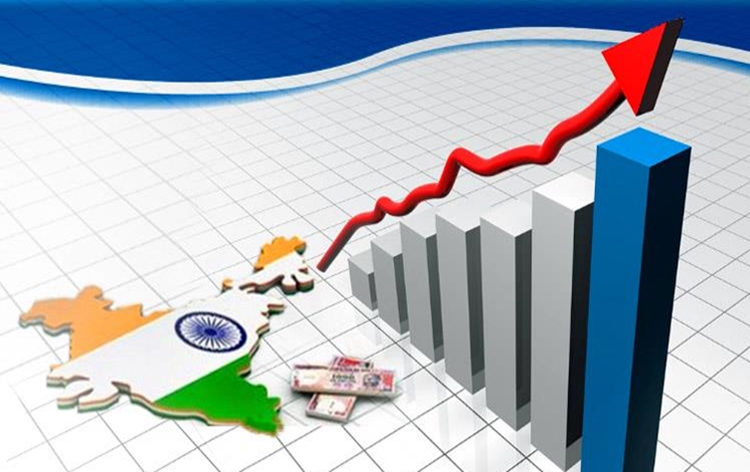
New Delhi, 2025 — As India navigates a transformative era in its economic landscape, the integration of democratic principles into economic strategies is proving instrumental. Recent government reports and state analyses underscore how adherence to democratic norms not only fosters political stability but also catalyzes substantial economic development across the nation.
Impact of Democratic Governance on Economic Initiatives
The government’s commitment to democratic governance is reflected in several key economic initiatives designed to empower citizens and stimulate growth:
- Pradhan Mantri Jan Dhan Yojana (PMJDY) Aimed at expanding affordable access to financial services, PMJDY has successfully opened over 300 million bank accounts, providing millions of Indians with insurance, loans, and overdraft facilities as reported by the latest figures from the Ministry of Finance.
- Make in India This major national program encourages manufacturing in various sectors from pharmaceuticals to automobiles, with the aim of turning India into a global manufacturing hub. The initiative has attracted significant foreign direct investment, as highlighted in recent reports from the Ministry of Commerce and Industry.
- Pradhan Mantri Fasal Bima Yojana (PMFBY) This comprehensive insurance scheme for farmers mitigates the risks associated with agricultural unpredictabilities. The latest data from the Ministry of Agriculture and Farmers’ Welfare shows a considerable decrease in farmer distress due to crop loss.
- Smart Cities Mission Focused on improving urban infrastructure through sustainable development, the Smart Cities Mission has initiated projects across 100 cities, enhancing quality of life and attracting urban investment, as detailed in the latest review by the Ministry of Housing and Urban Affairs.
- Digital India This campaign has significantly boosted digital literacy and access to government services, ensuring widespread internet connectivity and enhancing citizen participation in the digital economy. Progress reports from the Ministry of Electronics and Information Technology illustrate substantial advances in bridging the digital divide.
Challenges and Solutions
Despite the progress, integrating democratic principles into economic growth presents challenges:
- Policy Efficiency Ensuring that democratic processes do not slow decision-making is crucial. Streamlining administrative procedures without compromising inclusivity or transparency remains a priority.
- Economic Inequalities Addressing disparities in economic gains requires continuous effort. Policies aimed at distributing economic growth benefits more evenly are crucial for fostering social harmony.
- Regional Development Enhancing coordination between central and state governments is essential to ensure that economic policies are effective across all regions, particularly in addressing the unique challenges faced by India’s diverse states.
Conclusion
The role of democratic principles in promoting economic growth in India is profound. By maintaining a focus on inclusivity, transparency, and public participation, India not only ensures sustained economic development but also strengthens the democratic ethos that underpins its society. As India continues to rise on the global stage, these principles will be pivotal in shaping a future where economic prosperity is both equitable and widespread, reflecting the true spirit of the world’s largest democracy.
Leave a Reply