
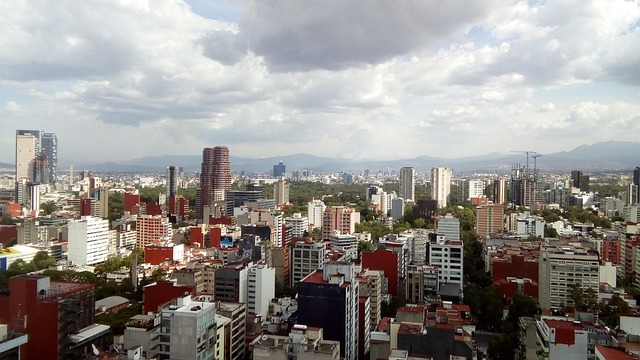
A Double-Edged Sword of Development
Uttar Pradesh, India’s most populous state, is undergoing rapid urbanization, fueled by ambitious infrastructure projects and burgeoning industrial hubs. From smart cities like Lucknow and Kanpur to transformative projects like the Jewar International Airport and Ganga Expressway, urban growth is reshaping the state. However, as cities expand and populations swell, the challenges of managing this growth have come to the forefront. Is urbanization in Uttar Pradesh driving progress, or is it sowing the seeds of systemic problems?
The Urbanization Boom in Uttar Pradesh
Key Statistics (2023-24):
- Urban Population: Over 25% of Uttar Pradesh’s 240 million people now reside in urban areas.
- Urban Growth Rate: The state’s urban population is growing at an annual rate of 3.2%, above the national average of 2.3%.
- Smart Cities Mission: Uttar Pradesh has 10 smart cities, including Lucknow, Kanpur, Varanasi, and Agra, receiving over ₹20,000 crore in investments.
- Major Projects:
- Jewar International Airport: Poised to be one of the largest in Asia, expected to create over 1 lakh jobs.
- Ganga Expressway: A 600 km corridor linking major cities and enhancing regional connectivity.
Progress Driven by Urbanization
1. Economic Growth and Employment
- Industrial and commercial hubs like Noida, Greater Noida, and Kanpur are attracting investments in IT, manufacturing, and logistics.
- Urbanization has created millions of jobs in construction, retail, and service sectors, significantly boosting household incomes.
2. Infrastructure Development
- Urban centers are witnessing a boom in transport infrastructure, including metro systems in Lucknow, Kanpur, and Agra, easing mobility for millions.
- The expansion of urban amenities such as healthcare facilities, educational institutions, and housing projects has improved quality of life for many.
3. Smart City Transformation
- Under the Smart Cities Mission, cities like Varanasi are leveraging technology for better waste management, traffic control, and e-governance.
- Digitalization of public services has enhanced efficiency and transparency.
4. Tourism and Cultural Revival
- Urban development projects have revitalized cultural and religious tourism. The Kashi Vishwanath Corridor in Varanasi and Ayodhya’s transformation into a global pilgrimage hub have brought in millions of tourists.
Problems Emerging from Urbanization
1. Overcrowding and Congestion
- Cities like Lucknow, Kanpur, and Ghaziabad are grappling with overcrowded streets and unregulated urban sprawl.
- Inadequate planning has resulted in traffic bottlenecks and strained public transport systems.
2. Environmental Degradation
- Rapid construction and industrialization have led to deforestation, air pollution, and water scarcity.
- Key Concern: Cities like Kanpur and Ghaziabad consistently rank among the most polluted globally, with PM2.5 levels far exceeding safe limits.
3. Inequitable Development
- Urbanization has deepened disparities between urban centers and rural areas. While cities flourish, many rural districts lack basic amenities and infrastructure.
- Within cities, slum populations are rising, with over 15% of urban residents living in informal settlements without access to clean water or sanitation.
4. Pressure on Resources
- Increasing demands for water, electricity, and housing have stretched urban resources to their limits.
- Groundwater levels are declining at alarming rates, particularly in the NCR region and urban districts.
5. Governance and Implementation Gaps
- Despite the promise of smart cities, delays in project implementation and bureaucratic inefficiencies have hampered progress.
- Poor coordination between state and local governments often leads to overlapping responsibilities and stalled projects.
Recommendations for Sustainable Urbanization
1. Prioritize Sustainable Planning
- Develop comprehensive urban master plans that integrate housing, transportation, and green spaces.
- Encourage vertical development and mixed-use zoning to optimize land use and reduce sprawl.
2. Strengthen Public Transport
- Expand metro networks and bus rapid transit systems (BRTS) to reduce dependency on private vehicles.
- Promote non-motorized transport options like cycling lanes and pedestrian-friendly streets.
3. Address Environmental Concerns
- Implement strict pollution control measures for industries and construction projects.
- Promote renewable energy and water conservation practices to reduce resource strain.
4. Enhance Social Infrastructure
- Focus on affordable housing and slum redevelopment to ensure equitable urban growth.
- Increase investments in public healthcare, education, and sanitation services for underserved populations.
5. Empower Local Governance
- Strengthen municipal bodies with greater autonomy and resources to address city-specific issues.
- Use technology to streamline governance, ensuring transparency and citizen participation.
Conclusion: A Delicate Balancing Act
Urbanization in Uttar Pradesh represents both opportunity and challenge. While it is driving economic growth, improving infrastructure, and elevating the state’s global standing, it is also creating significant social and environmental pressures.
The future of Uttar Pradesh’s cities depends on the state’s ability to balance growth with sustainability, equity, and inclusivity. Will urbanization lead to a brighter future for all, or will its unchecked pace deepen existing disparities? The answer will shape not only the state’s urban centers but also the lives of millions who call them home.
Leave a Reply