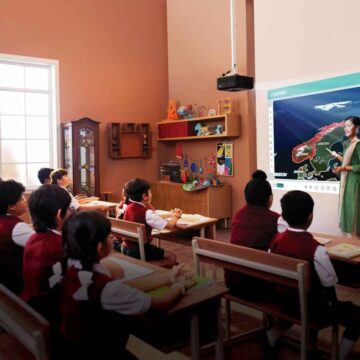
The role of technology in Indian education has evolved dramatically, reshaping the way students learn and interact in classrooms. From introducing playful learning tools for toddlers to integrating advanced programming for senior students, schools across India are embracing technology to make education more engaging, inclusive, and future-ready. For parents and educators, understanding this transformation is...
Author: admin
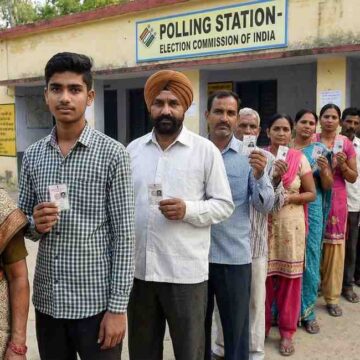
Who Are the True Custodians of Democracy in India?
New Delhi, 2025 — Democracy, often described as “government of the people, by the people, and for the people,” thrives on the shoulders of its custodians. In India, the world’s largest democracy, this responsibility is shared across a spectrum of institutions, leaders, and, most importantly, its citizens. But as the nation evolves, grappling with social, economic,...
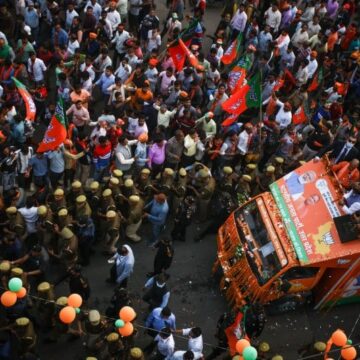
Uttar Pradesh’s Next Generation of Leaders: Hope or Hype?
A New Era in UP Politics? As the political landscape of Uttar Pradesh (UP) evolves, a younger, more dynamic generation of leaders is beginning to emerge. Beyond the familiar names of established dynasties, several hidden gems and rising stars are carving out a place for themselves in UP’s complex political arena. Are these leaders the...
NEP’s New Standards: Learning Quality Over Campus Size
New Delhi, India – 2025 India’s education system is undergoing a significant transformation under the National Education Policy (NEP) 2020, which continues to reshape learning priorities in 2025. Moving away from traditional indicators of school success—such as sprawling campuses and massive physical infrastructure—the NEP focuses on learning quality, skill development, and innovative teaching methods. This shift...
The Philosophical Foundation of Political Leadership
Exploring the Role of Ethics, Vision, and Service in Modern Governance Key Highlights Introduction Leadership in politics is more than just governance; it is a reflection of the collective aspirations and moral fabric of a society. The philosophical foundation of political leadership rests on principles such as ethics, service, vision, and inclusivity. In a dynamic...
Is Uttar Pradesh’s Political System Built for the People or the Politicians?
The Dual Nature of Power: Governance or Self-Interest? Uttar Pradesh (UP), with its vast population and complex socio-political structure, plays a pivotal role in shaping India’s democratic narrative. With power concentrated in a few hands and decisions often driven by political strategy, a fundamental question arises: Is the political system truly serving the people, or...
Best International Schools in India’s Metros: A Comprehensive Guide
India’s metropolitan cities are increasingly becoming hubs for global education, with a growing number of international schools offering a wide variety of curricula such as the International Baccalaureate (IB), Cambridge International (IGCSE), and American High School Diploma. These institutions cater to the educational needs of expatriates, as well as Indian students seeking an internationally recognized...
India’s Narrative: A Tapestry of Progress, Democracy, and Resilience
Exploring India’s Democratic Evolution, Unified Electoral Vision, and Transparency in Leadership Key Metrics: India’s democracy, the cornerstone of its identity, is a testament to its resilience and adaptability. From being a nation of princely states to evolving into the world’s largest democracy, India has charted an extraordinary journey of inclusion, progress, and reform. As the...
The Challenge of Inclusivity in UP Politics: Are We Making Progress?
A Complex Political Fabric Uttar Pradesh (UP), with its immense diversity of caste, religion, gender, and socio-economic backgrounds, represents the challenges and opportunities of inclusive governance in India. With a population exceeding 200 million, the state’s political landscape reflects deep-rooted social hierarchies and identity-driven politics. Despite decades of electoral evolution, the question persists: Is UP’s...
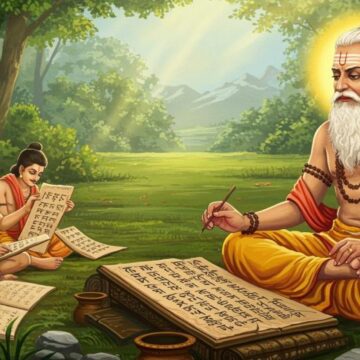
Vedas vs. Shastras: The Foundations of Hindu Philosophy
The Vedas and Shastras are two pillars of Hindu philosophy, offering profound insights into spirituality, ethics, and life’s purpose. While the Vedas are considered Shruti (divinely revealed and eternal), the Shastras are categorized as Smriti (human interpretations and applications). Together, they create a holistic framework for understanding the cosmos, human behavior, and the pursuit of knowledge. This article explores the differences and complementary...